
The Majestic Andalusian Horse: A Legacy of Grace and Power
Table of Contents
Unveiling the Enigma of the Andalusian Horse
Do you find yourself yearning for an equine partner that transcends the ordinary? A horse that isn’t merely an animal, but a living work of art, capable of both the most profound physical feats and the deepest emotional connection? If the quest for such a majestic creature resonates with your spirit, then prepare to be enchanted. For centuries, equestrian connoisseurs, breeders, and dreamers alike have sought a breed that perfectly balances raw power with ethereal beauty, a steed capable of intricate dressage and unwavering loyalty. This isn’t a fantasy; it’s the tangible reality embodied by the Andalusian horse.
Imagine a horse that moves with the grace of a ballet dancer and the power of an ancient warrior – this is the very essence of the Andalusian horse. A breed steeped in centuries of Spanish heritage, the Andalusian is known worldwide for its breathtaking beauty, noble spirit, and unparalleled athleticism.
From the dusty arenas of ancient Iberia to the grand stages of modern equestrianism, the allure of this magnificent breed has only grown, captivating hearts and minds with its distinctive presence. The Andalusian horse is more than just a breed; it’s a symbol of equestrian excellence, cultural pride, and a timeless connection between humans and horses.
This comprehensive article will take you on a journey through their rich history, explore their unmistakable characteristics, delve into their noble temperament, highlight their incredible versatility, guide you through their specific care, and reveal where you can experience their splendor firsthand. Ready to discover why this remarkable breed continues to reign supreme in the world of horses?
A Regal Lineage: The History and Origins of the Andalusian Horse
The story of the Andalusian horse is a sprawling tapestry woven with threads of ancient civilizations, royal decrees, and passionate preservation efforts. To understand the profound impact and unique qualities of this breed, one must journey back through its storied past on the Iberian Peninsula.
Ancient Roots: Tracing the Ancestry of the Pure Spanish Horse
The origins of the Andalusian horse are as deep and mysterious as the Iberian Peninsula itself. Archaeological evidence suggests that native horses have roamed this region for tens of thousands of years, with cave paintings depicting horses resembling the modern Andalusian dating back over 20,000 years. These early Iberian horses, known for their strength and agility, formed the foundational stock. Over millennia, these indigenous breeds were influenced by various conquering cultures. The Romans, who invaded Iberia in the 3rd century BCE, recognized the superior qualities of these horses, using them extensively in their cavalry and chariot racing. Their appreciation further solidified the status of Iberian horses as exceptional mounts.
Moorish Influence and Royal Patronage
Perhaps the most significant chapter in the development of the Andalusian horse began with the Moorish invasion of Spain in the 8th century CE. The Moors brought with them Barb horses from North Africa, renowned for their stamina, courage, and spirited nature.
The crossbreeding of these Barb horses with the native Iberian stock resulted in a horse that combined the Barb’s fire with the Iberian’s elegance and strength, laying the groundwork for the modern Andalusian. By the 15th century, the Carthusian monks in Jerez, Seville, and Cazalla played a pivotal role in meticulously breeding and refining the “Pure Spanish Horse” (Pura Raza Española or PRE), as the Andalusian is officially known in Spain.
This period also saw the rise of royal patronage, with Spanish nobility and monarchs recognizing the breed’s military prowess, beauty, and suitability for high-school equitation. The Spanish Conquistadors, like Hernán Cortés, famously brought Andalusian horses to the Americas, where they became the foundation for many New World breeds, forever linking them to global exploration and settlement.
The Renaissance Steed: Spreading Across Europe
During the Renaissance, the Andalusian horse ascended to international fame, becoming the most coveted warhorse and riding horse among European royalty and nobility. Its elegant bearing, impressive power, and trainable nature made it the ideal mount for parades, battles, and the nascent art of classical dressage.
Kings and emperors across Europe, from Louis XIII of France to the Habsburg monarchs, actively sought and received Andalusian horses as diplomatic gifts, further cementing their status as symbols of prestige and power. This widespread admiration led to the Andalusian’s significant influence on the development of many other prominent European breeds.
Including the Lipizzaner, Frederiksborg, and Lusitano, all of which share ancestral ties to the Spanish steed. The Andalusian was, in essence, the “superhorse” of its era, setting the standard for equestrian excellence.
Preservation and Modern Breeding Efforts
The breed faced challenges over the centuries, particularly during times of war and economic hardship, which threatened its purity and numbers. However, dedicated individuals and organizations have continuously championed its preservation.
In the 20th century, concerted efforts were made to formalize the breed standard and maintain the genetic integrity of the Pure Spanish Horse. Key figures in Spain and later around the world established stud books and registries to track lineage and ensure responsible breeding practices.
Organizations like the Asociación Nacional de Criadores de Caballos de Pura Raza Española (ANCCE) in Spain and the International Andalusian & Lusitano Horse Association (IALHA) in North America are instrumental today in promoting, preserving, and protecting the future of the Andalusian horse.
Their work ensures that the legacy of this majestic breed continues to thrive for generations to come, but what exactly makes an Andalusian so visually captivating?
Unmistakable Elegance: Physical Characteristics of the Andalusian Horse
To gaze upon an Andalusian horse is to witness living poetry. Every line, every movement, speaks of power contained within unparalleled grace. Their physical characteristics are not merely aesthetic; they are the result of centuries of selective breeding for both utility and beauty, creating an equine masterpiece.
Conformation: The Ideal Andalusian Stature
The ideal Andalusian horse boasts a conformation that is both compact and powerful, yet unmistakably refined. They typically stand between 15.2 and 16.2 hands high, possessing a harmonious balance that belies their strength. Their build is often described as medium-sized, with a robust and muscular physique.
A strong, elegant neck, often gracefully arched and set high, flows into prominent, well-defined shoulders. They have a broad chest, indicating substantial lung capacity, and a short, strong back that contributes to their impressive collection ability.
The hindquarters are powerful and well-muscled, essential for their athleticism and the impulsion required in high-level dressage. Perhaps one of the most distinctive features is their head profile: typically straight or slightly convex (Roman nose), never dished, conveying an air of intelligence and nobility. Their ears are medium-sized and alert, framing large, expressive eyes.
Striking Features: Mane, Tail, and Expressive Eyes
No description of the Andalusian horse is complete without mentioning its legendary mane and tail. These are often extraordinarily long, thick, and flowing, adding an undeniable element of dramatic beauty and grandeur to their appearance.
The luxurious mane cascades down the neck, and the tail, often reaching the hocks or even the ground, is carried with a proud, sweeping motion. These features are not merely ornamental; they are a hallmark of the breed’s purity and health, meticulously cared for by their owners.
Complementing their magnificent hair are their eyes – large, dark, and intelligent, they reflect the breed’s alert mind and gentle soul. These expressive eyes are often deep-set and convey a profound sense of awareness and nobility, allowing them to form strong, communicative bonds with their human partners.
Coat Colors and Markings
While the image of a gleaming white, or more accurately, grey Andalusian horse often comes to mind, the breed actually exhibits a range of coat colors. Predominantly, they are found in shades of grey, ranging from dark steel grey to dappled grey and eventually turning white as they age due to the grey gene.
Bay is another common and historically significant color, varying from a light reddish-brown to a deep mahogany. Less common, but still accepted, are black, chestnut, and palomino. Buckskin and dun colors are rarer but do occur. White markings, such as stars, strips, and socks, are acceptable if minimal.
Excessive white markings or pinto patterns are generally considered undesirable in the breed standard, as they diverge from the traditional appearance. The consistency in accepted colors further defines the classic aesthetic of the Andalusian horse, ensuring a timeless elegance. But beyond this stunning exterior, what truly defines the spirit of this noble steed?
The Soul of a Noble Steed: Temperament and Intelligence
The true magic of the Andalusian horse lies not just in its breathtaking physical beauty, but profoundly in its temperament and intelligence. These are qualities that have cemented its place in history as a beloved companion, a formidable warhorse, and a celebrated star of the equestrian world.
A Perfect Blend: Spirit and Docility
The Andalusian horse possesses a remarkable balance of spirit and docility, often described as having *brío* – a Spanish term encompassing vigor, energy, and zest – without being hot-headed or unmanageable. They are known for their inherent courage and proud demeanor, characteristics that served them well in battle and now shine in the competitive arena. Despite their spirited nature, they possess an extraordinary calmness and a tractable disposition, making them surprisingly suitable for riders of varying experience levels who appreciate a responsive and engaged partner. This unique blend allows them to perform complex movements with powerful conviction, yet remain composed and willing under saddle, a testament to centuries of breeding for both athleticism and a good mind.
Intelligence and Trainability: A Rider’s Dream
One of the most defining traits of the Andalusian horse is its exceptional intelligence and eagerness to learn. They are incredibly quick studies, often grasping new concepts and movements with remarkable speed and understanding. This natural aptitude makes them a rider’s dream, particularly in disciplines that demand precision, finesse, and collection. Their physical conformation, combined with their sharp minds, makes them inherently suited for haute école movements and classical dressage. They demonstrate a natural balance and a willingness to engage their hindquarters, making piaffe, passage, and pirouettes seem almost effortless. Their responsiveness to subtle aids and a desire to please contribute to their stellar performance in intricate maneuvers, showcasing an almost telepathic connection with their rider.
Sensitivity and Bonding: Building Trust
Beyond their trainability, Andalusian horses are renowned for their sensitivity and their capacity to form deep, lasting bonds with their handlers and riders. They thrive on consistent, kind handling and respond exceptionally well to positive reinforcement.
They are not horses that can be forced or bullied; rather, they flourish when treated with respect and patience. This sensitivity translates into a heightened awareness of their human partner’s mood and cues, often seeming to anticipate commands before they are given.
Building trust with an Andalusian is a uniquely rewarding experience, resulting in a partnership built on mutual understanding and affection. Their gentle nature often extends to being excellent with children and less experienced handlers, provided they are managed with appropriate respect.
Such an intelligent and empathetic partner must surely excel in a multitude of roles, but what are the primary ways in which the Andalusian horse showcases its incredible versatility?
Beyond Beauty: Versatility and Uses of the Andalusian Horse
While the breathtaking beauty and noble temperament of the Andalusian horse are immediately captivating, their true value is amplified by their extraordinary versatility. From the grand stages of classical dressage to the quiet paths of therapeutic riding, these horses excel in a multitude of disciplines, showcasing their athleticism, intelligence, and willing spirit.

The Pinnacle of Classical Dressage
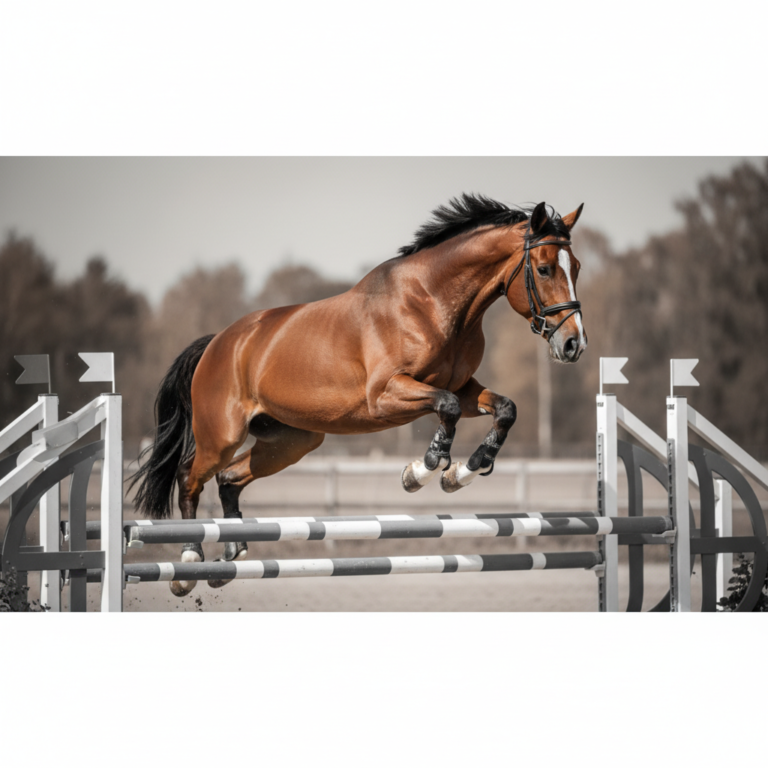
The Andalusian horse is, arguably, synonymous with classical dressage and haute école. Their inherent athleticism, powerful hindquarters, and natural tendency for collection make them perfectly suited for the intricate and demanding movements of this discipline.
They move with an elegance and fluidity that brings classical dressage to life, demonstrating effortless piaffes, elevated passages, precise pirouettes, and powerful airs above the ground like the levade and courbette.
The Royal Andalusian School of Equestrian Art in Jerez de la Frontera, Spain, stands as a testament to their prowess, showcasing the breed in breathtaking “How the Andalusian Horses Dance” performances that are globally celebrated. Their role in maintaining and advancing the art of classical horsemanship is unparalleled, continuing to inspire riders and audiences worldwide.
Competitive Arenas: Showing and Exhibitions
Beyond the traditional schools, the Andalusian horse is a formidable competitor in modern equestrian sports. They shine in performance classes, equitation, and breed-specific shows, where their natural beauty and trained abilities are judged. Their striking appearance, coupled with their fluid gaits and willing temperament, makes them a crowd favorite in breed demonstrations and exhibitions. In dressage competitions sanctioned by organizations like the USEF (United States Equestrian Federation) or the FEI (Fédération Équestre Internationale), Andalusians regularly compete and often place highly, proving their capabilities against other prominent dressage breeds. Their presence in the show ring is always a highlight, drawing admiration for their grace and dignity.
Historical Reenactments and Filming
With their regal appearance, flowing manes, and powerful yet elegant build, Andalusian horses are perfectly cast for historical reenactments, period dramas, and fantasy films. They possess an almost ethereal quality that transports audiences back to eras of chivalry, royalty, and ancient battles. Their calm demeanor under pressure, combined with their striking visual appeal, makes them ideal for demanding film sets, where they can portray everything from warhorses to noble steeds carrying kings and queens. Examples abound in popular culture, where the sight of an Andalusian charging across a field or performing a majestic rearing stance has become an iconic image, solidifying their place in our collective imagination.
Working Equitation and Trail Riding
While often associated with grand performances, the Andalusian horse is also remarkably adept at practical disciplines. Working equitation, a sport that originated in Europe and showcases the versatility and athleticism of working horses, is a natural fit for the breed. They excel at navigating obstacles, demonstrating agility, obedience, and the practicality of a well-trained working horse. Their sure-footedness, intelligence, and calm nature also make them excellent partners for trail riding. Whether navigating challenging terrain or simply enjoying a leisurely hack through the countryside, the Andalusian brings a sense of joyful willingness and reliability, making every outing a pleasure.
Companionship and Therapeutic Riding
Perhaps one of the most heartwarming roles of the Andalusian horse is that of a companion and therapy animal. Their gentle, empathetic nature, combined with their intelligence, makes them excellent candidates for equine-assisted therapies. They possess a remarkable ability to connect with people, offering comfort, fostering confidence, and aiding in physical and emotional rehabilitation. Their calm presence and responsiveness can be incredibly beneficial for individuals with special needs, making them truly noble partners in healing. Beyond therapy, many owners cherish their Andalusians simply as devoted companions, finding joy and solace in their noble presence. Such a magnificent and versatile animal surely requires specialized care to maintain its peak condition and spirit, wouldn’t you agree?
Nurturing Nobility: Care and Training for the Andalusian Horse
Owning an Andalusian horse is a privilege that comes with the responsibility of providing meticulous care and thoughtful training. To preserve their majestic appearance, athletic prowess, and noble temperament, a comprehensive approach to their well-being is essential.

Nutritional Needs and Dietary Considerations
The active lifestyle and powerful musculature of the Andalusian horse necessitate a carefully tailored diet. Like all horses, quality forage (hay or pasture) should form the cornerstone of their diet, providing essential fiber and nutrients.
However, given their potential for high-level performance and their energetic metabolism, many Andalusians also benefit from a balanced commercial feed designed for active horses. This feed should supplement their forage, ensuring adequate protein for muscle maintenance, vitamins, and minerals.
It’s crucial to monitor their weight and adjust rations accordingly, as they can be prone to becoming overweight if overfed, particularly if their workload is light. Fresh, clean water must always be available, and any dietary changes should be introduced gradually to avoid digestive upset. Consulting with an equine nutritionist or veterinarian can help create an optimal feeding plan specific to your Andalusian’s individual needs.
Grooming and Maintenance for a Pristine Appearance
Maintaining the pristine appearance of the Andalusian horse, especially their famous long, thick manes and tails, requires dedication. Regular grooming is essential not just for aesthetics, but also for health.
Daily brushing helps to distribute natural oils, remove dirt and loose hair, and stimulate circulation, contributing to a healthy, gleaming coat. The luxurious mane and tail need special attention to prevent tangles, breakage, and matting.
Many owners opt to braid the mane or keep the tail protected in a bag when not being shown, using specialized detangling sprays and conditioners. Routine hoof care, including regular farrier visits every 4-6 weeks, is paramount for their soundness.
Dental check-ups at least once a year are also crucial to ensure proper chewing and overall health. This commitment to grooming reflects the pride associated with owning such a beautiful breed.
Training Approaches: Harnessing Intelligence and Spirit
Training an Andalusian horse is a highly rewarding experience, provided the approach is based on patience, consistency, and positive reinforcement. Their high intelligence and eagerness to learn mean they respond exceptionally well to clear, fair, and empathetic methods.
Force or harsh treatment is counterproductive and can lead to resistance or souring. Instead, focus on building trust and understanding through groundwork and consistent ridden work that gradually develops their natural abilities.
Their inherent aptitude for collection and advanced movements means that early training should emphasize developing their balance, rhythm, and suppleness, gently guiding them towards engaging their hindquarters and developing self-carriage.
Whether for classical dressage, working equitation, or general riding, a training program that respects their spirit and intelligence will unlock their full potential, creating a willing and responsive partner.
Health Considerations Specific to the Andalusian Horse
While generally a robust and healthy breed, Andalusian horses do have some health considerations that owners should be aware of. Like many breeds with thick, flowing manes and tails, they can be more susceptible to skin conditions if proper hygiene isn’t maintained, particularly in humid climates.
Some lines may be predisposed to certain genetic conditions, though responsible breeding practices aim to minimize these risks. Regular veterinary check-ups are vital for preventative care, including vaccinations, deworming, and routine health assessments.
A veterinarian knowledgeable about the breed can offer tailored advice on managing any specific health concerns. Maintaining a healthy weight and providing appropriate exercise are also key to preventing common equine ailments and ensuring the longevity and vitality of your Andalusian horse.
Now that you understand the care, where can you truly immerse yourself in the world of these magnificent creatures?
Experiencing the Splendor: Where to See and Interact with Andalusian Horses
To truly appreciate the majesty of the Andalusian horse, one must experience them in person. Whether you dream of watching them perform their intricate dances, meeting them on a historic stud farm, or even riding one yourself, there are numerous opportunities worldwide to connect with this iconic breed.
Spanish Riding Schools and Equestrian Festivals
The ultimate destination for experiencing the Andalusian horse in its most traditional and spectacular form is Spain itself. The Royal Andalusian School of Equestrian Art (Real Escuela Andaluza del Arte Ecuestre) in Jerez de la Frontera is globally renowned for its breathtaking “How the Andalusian Horses Dance” show.
Here, riders in 18th-century costumes perform classical dressage and Doma Vaquera (traditional Spanish working equitation) on magnificent Andalusians, often to the accompaniment of traditional Spanish music. Attending a show or taking a guided tour of the school provides an unforgettable insight into the breed’s heritage and capabilities.
Beyond Jerez, Spain hosts numerous equestrian festivals and ferias throughout the year, such as the Feria del Caballo in Jerez or SICAB (Salón Internacional del Caballo) in Seville, which are vibrant showcases of the Andalusian horse and Spanish horsemanship.
Breeders and Stud Farms Worldwide
For those interested in a more intimate experience or even acquiring an Andalusian horse, visiting breeders and stud farms is highly recommended. While Spain remains the heartland, dedicated breeders can be found across Europe, North America, Australia, and other parts of the world. These facilities offer the chance to see horses of all ages, from foals to seasoned performers, and learn directly from those who dedicate their lives to the breed’s preservation and development. Many stud farms offer private tours, opportunities to meet the horses, and sometimes even specialized riding experiences or lessons on their Andalusians. This direct interaction provides invaluable insight into their temperament and training, helping you understand the breed on a deeper level.
Horse Shows and Competitions
To witness the Andalusian horse in a competitive setting, seek out local, regional, and national horse shows. Breed-specific organizations like the IALHA (International Andalusian & Lusitano Horse Association) in North America host annual shows where Andalusians compete in a wide range of classes, including dressage, working equitation, halter, and driving. General dressage shows will also often feature Andalusians competing alongside other breeds. These events are excellent opportunities to observe their athleticism and grace in a competitive environment, to speak with owners and riders, and to appreciate the diversity within the breed itself. Check the schedules of major equestrian organizations in your region to find upcoming events.
Unique Equine Tourism and Riding Experiences
For the truly immersive experience, consider equine tourism opportunities that focus on the Andalusian horse. Several specialized tour operators in Spain offer riding holidays where you can ride Andalusians through picturesque landscapes, explore historic trails, or even participate in clinics focused on Spanish riding traditions. These unique experiences allow you to bond with an Andalusian horse over several days, gaining a profound appreciation for their character and capabilities in authentic settings. Whether you dream of galloping across olive groves or taking a classical dressage lesson on a trained Andalusian, these opportunities provide a once-in-a-lifetime connection with this magnificent breed.

The Enduring Legacy of the Andalusian Horse
From the ancient battlefields of Iberia to the refined arenas of classical dressage, the Andalusian horse has ridden through centuries, leaving an indelible hoofprint on the world. This breed is more than just a collection of physical traits; it is a living embodiment of history, a symbol of unparalleled beauty, profound intelligence, and remarkable versatility. We’ve journeyed through their regal lineage, marvelled at their unmistakable elegance, celebrated their noble temperament, and explored their diverse roles that extend far beyond mere aesthetics.
The Andalusian horse continues to captivate hearts with its blend of fiery spirit and gentle docility, its breathtaking movement, and its unwavering loyalty. They are not simply horses; they are partners, athletes, artists, and companions, enriching the lives of all who encounter them. Their impact on the equestrian world is immeasurable, having influenced countless other breeds and shaped the very art of classical horsemanship. The ongoing dedication of breeders and enthusiasts ensures that the legacy of the Pure Spanish Horse will continue to inspire and enchant for generations to come.
An encounter with an Andalusian horse is an experience that transcends the ordinary, touching the soul with its profound grace and power. We invite you to seek out opportunities to witness their splendor, perhaps at a grand exhibition, on a historic stud farm, or even during a unique riding holiday. Immerse yourself in the world of this majestic creature, and you will undoubtedly come to appreciate why the Andalusian horse holds such a revered and enduring place in the heart of humanity. Celebrate their unparalleled beauty, intelligence, and spirit, for they are, truly, a gift to the equestrian world.
📚 References
- Learn more about breed standards at the Asociación Nacional de Criadores de Caballos de Pura Raza Española (ANCCE).
- Detailed history of the breed via Encyclopaedia Britannica.
- Information on breed preservation at the International Andalusian & Lusitano Horse Association (IALHA).