
Discover the Connemara Pony: Ireland’s Versatile Gem
Table of Contents
The Elusive Ideal Equine Partner
Imagine an equine partner that combines the athletic prowess of a top sport horse with the gentle disposition of a beloved family pet. A horse so versatile it can excel in show jumping one day and safely carry a child on a trail ride the next.
For many equestrians, this ideal seems elusive – a compromise often required between performance and temperament, a constant search for a mount that can truly “do it all.”
We often find ourselves weighing speed against safety, power against patience, or talent against trustworthiness. But what if there was a breed that effortlessly embodies all these qualities and more?
A breed steeped in ancient tradition yet perfectly suited for the demands of the modern equestrian world?
Enter the Connemara Pony, Ireland’s extraordinary native horse, an answer to the search for the perfect equine companion for riders of all ages and disciplines.
Far from being a mere pony, this remarkable breed stands as a testament to durability, intelligence, and an unparalleled willingness to please, making it a truly unique and sought-after partner. Ready to uncover the secrets behind this remarkable Irish gem?
| Feature | Details |
|---|---|
| Origin | Ireland |
| Height | 12.2 – 14.2 hands (128–148 cm) |
| Weight | 400–600 kg |
| Temperament | Calm, Intelligent, Willing |
| Lifespan | 20–30 years |
| Primary Uses | Show Jumping, Eventing, Trail Riding |
| Most Common Color | Grey |
| Average Price | $5,000 – $20,000 |
A Legacy Forged in the Wilds of Connemara
To understand the Connemara Pony is to understand the land that shaped it – a wild, rugged, and breathtakingly beautiful region in the west of Ireland. This isn’t just a geographical location; it’s a crucible where only the strongest, most adaptable, and most intelligent creatures could survive and thrive.
The Rugged Roots of an Irish Native
The Connemara region, with its granite mountains, windswept bogs, and Atlantic coastline, presented an unforgiving environment for centuries. Early settlers relied on their ponies for everything from plowing small plots and hauling seaweed to transporting goods across treacherous terrain.
There were no elaborate breeding programs or sheltered stables; survival was the ultimate test. Through generations of natural selection, only the hardiest ponies, those with exceptional stamina, sure-footedness, and the ability to subsist on sparse vegetation, endured.
This rigorous upbringing instilled an inherent resilience and an “easy keeper” quality that defines the Connemara Pony to this day.
They learned to navigate boggy ground, scramble over rocks, and withstand harsh weather, imbuing them with a toughness rarely seen in modern breeds. This deep connection to the land is literally etched into their DNA, making them truly robust.
Influences and Evolution: From Ancient Times to Today
While the exact origins of the Connemara Pony are shrouded in the mists of time, their lineage is believed to trace back to ancient Celtic ponies, small, hardy equines that roamed Ireland thousands of years ago.
Over the centuries, various influences likely contributed to their development. One popular theory suggests that Spanish horses, perhaps survivors of the Spanish Armada shipwrecks in the 16th century, swam ashore and interbred with the native pony stock.
These Spanish horses, likely Andalusian or Lusitano types, would have contributed refinement, athleticism, and perhaps the intelligent, expressive eye often seen in the Connemara.
Later, infusions of Arab and Welsh Cob blood may also have played a role, adding further refinement and performance capabilities without sacrificing the essential pony characteristics.
By the early 20th century, however, concerns grew about the purity of the breed due to indiscriminate cross-breeding. Recognizing the unique value of these ponies, local enthusiasts and dedicated breeders rallied to protect their heritage. This led to the establishment of the Connemara Pony Breeders’ Society in 1923, a pivotal moment in the breed’s history. The society immediately set about defining a breed standard, identifying foundation stock, and creating a studbook, ensuring the preservation and responsible development of the Connemara Pony. Their efforts were instrumental in safeguarding this living piece of Irish heritage and have allowed the breed to flourish globally. But what precisely are the characteristics that make this pony so extraordinary?
Unpacking the Connemara Pony’s Distinctive Characteristics
The appeal of the Connemara Pony lies not just in its history but in its meticulously balanced combination of physical prowess and an exceptional mental disposition. It’s this unique blend that truly sets them apart.

Physical Attributes: A Study in Strength and Grace
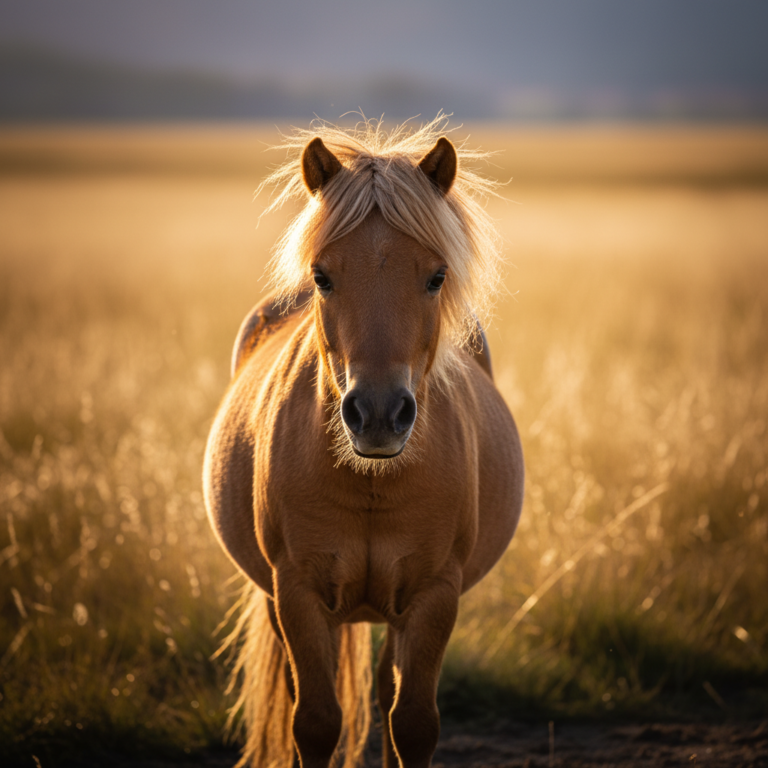
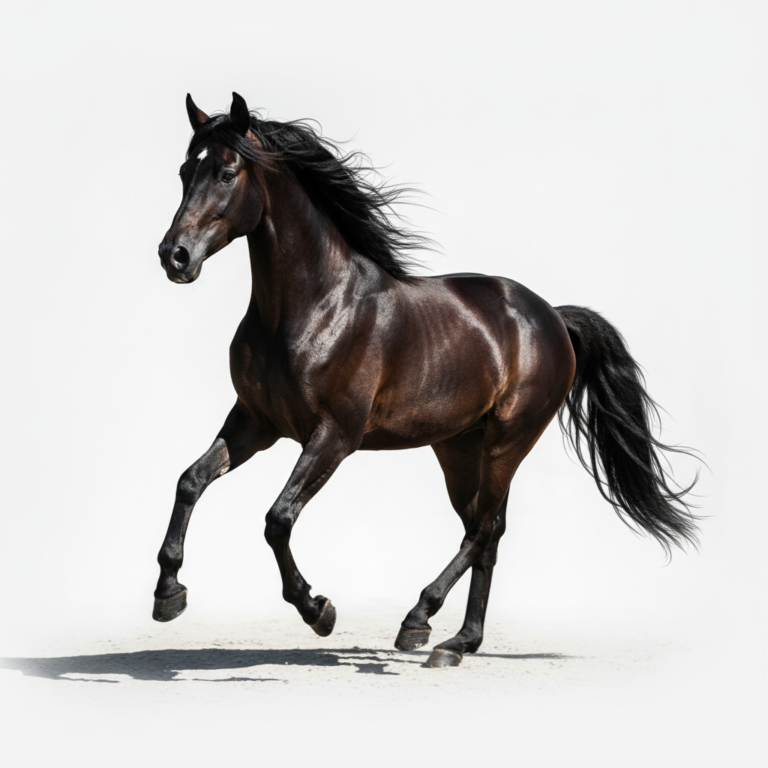
The Connemara Pony is renowned for its strong, athletic, and compact build, embodying a true “pony type” but with the substance and stride often associated with a small horse. Typically standing between 12.2 and 14.2 hands high, they possess an impressive depth of girth, powerful hindquarters, and a strong back, all contributing to their remarkable athleticism and ability to carry adult riders with ease. Their conformation speaks volumes about their versatility: a sloping shoulder allows for expansive movement and jumping ability, while strong, clean limbs with short cannons and hard, well-formed hooves ensure durability and soundness, even on challenging terrain.
Their heads are usually refined and pony-like, often featuring intelligent, kind eyes that reflect their inner wisdom and docile nature.
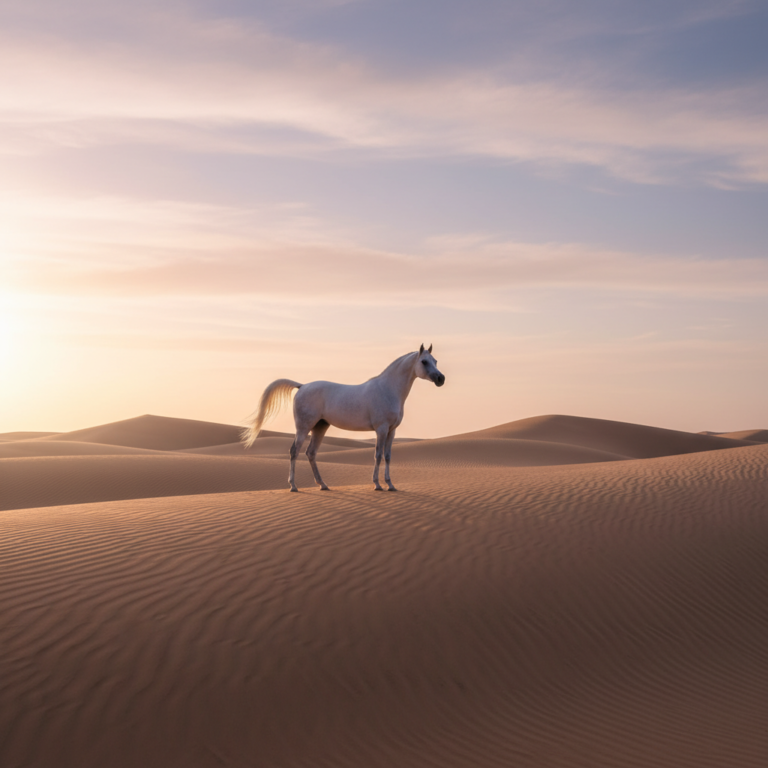
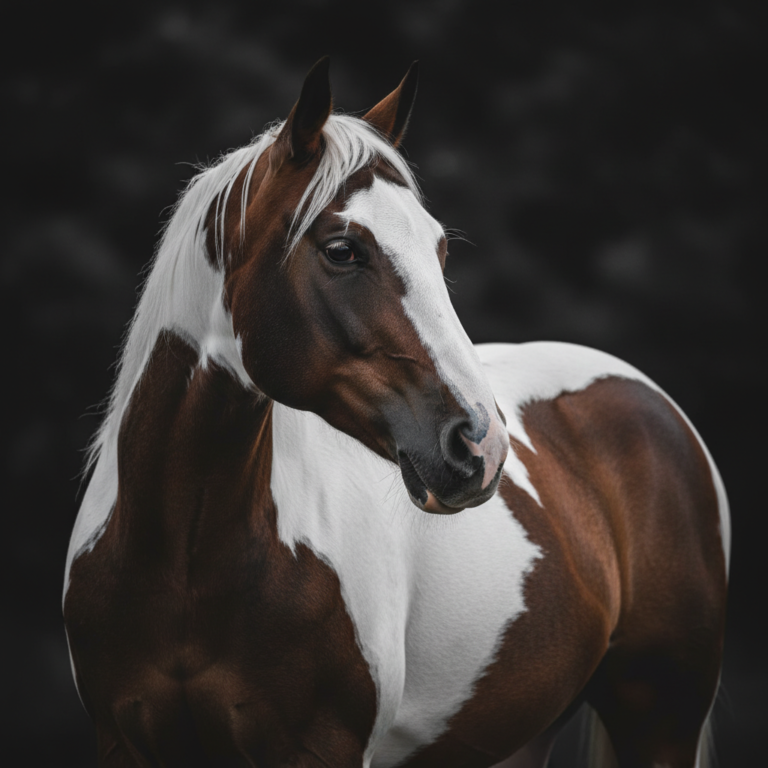
While any solid color is acceptable, grey is perhaps the most iconic, though black, brown, bay, dun, palomino, cream, and roan are also common. Their manes and tails are typically full and flowing, adding to their natural beauty.
Beyond aesthetics, the Connemara Pony is inherently hardy and adaptable.
Their thick coats provide excellent protection against the elements, and their ability to thrive in varying climates, from the damp Irish hills to diverse environments worldwide, is a testament to their robust constitution.
This physical robustness means they are less prone to many common equine ailments, contributing to their reputation for sound health and longevity.
The Hallmark Temperament: Calm, Intelligent, and Willing
While their physical attributes are undeniably impressive, it is arguably the Connemara Pony’s temperament that truly captures the hearts of equestrians. They possess a sterling reputation for their good nature, docility, and trainability, making them suitable for riders of all ages and experience levels. This is not a flighty or overly sensitive breed; rather, they are characterized by a sensible and calm disposition, rarely exhibiting vices.
Their intelligence is another defining trait. Connemaras are quick learners, eager to please, and respond exceptionally well to consistent, positive reinforcement training.
This mental acuity, coupled with their inherent bravery, makes them adaptable to a wide range of tasks and challenges.
They approach new experiences with a quiet confidence, making them reliable partners on the trail, in the show ring, or when encountering unexpected situations.
This combination of bravery and good sense ensures they are not easily spooked, providing a safe and secure ride.
Whether a nervous novice or an experienced competitor, the Connemara Pony instills confidence, proving time and again that a truly versatile pony starts with an exceptional mind.
But how does this exceptional character translate into their performance across such a wide array of equestrian activities?
The Connemara Pony in Action: Unrivaled Versatility
The term “versatile” is often used in the equestrian world, but for the Connemara Pony, it’s not just a descriptor – it’s a defining characteristic. This breed genuinely excels across an astonishing spectrum of disciplines, proving that true talent knows no bounds, regardless of height.

A Star in Competitive Disciplines
For those seeking a competitive partner, the Connemara Pony frequently surprises with its ability to hold its own against much larger horses.
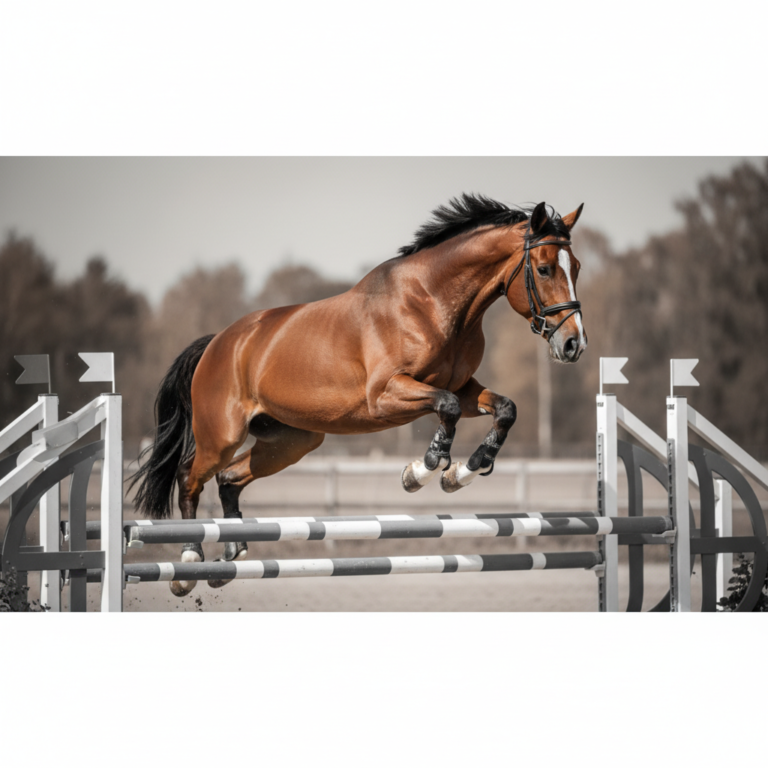
* Show Jumping: Despite their size, Connemaras possess incredible scope, agility, and courage over fences. Their powerful hindquarters and athletic build allow them to clear impressive heights, while their intelligent mind helps them read a course and find their distances. Many have competed successfully at high levels, often jumping courses built for horses.
* Eventing: The ultimate test of horse and rider, eventing demands stamina, bravery, and athleticism across three phases: dressage, cross-country, and show jumping. The Connemara’s inherent hardiness, sure-footedness, and fearless attitude make them exceptional eventers, tackling challenging cross-country courses with grit and determination. Their stamina ensures they finish strong, and their careful jumping keeps penalties at bay.
* Dressage: While perhaps less intuitive for a pony, Connemaras demonstrate remarkable elegance, balance, and responsiveness in the dressage arena. Their natural carriage, willingness to collect, and eager-to-please attitude allow them to perform intricate movements with grace. They are often complimented for their natural rhythm and supple way of going, making them capable of achieving impressive scores.
* Driving, Endurance, and other competitive fields: Beyond these primary disciplines, Connemaras are frequently found excelling in driving, demonstrating their strength and calm demeanor pulling carts. Their stamina and robust health also make them strong contenders in endurance riding, covering long distances with ease. They are also popular in Western disciplines, showing their adaptability to different riding styles, and are increasingly seen in working hunter classes, showcasing their jumping ability combined with conformation and manners. Their boundless energy and willingness to work make them true all-rounders in any competitive arena.
The Ultimate Family Pony: Safe and Adaptable
While their competitive achievements are impressive, it is perhaps their role as the quintessential family pony that truly endears them to many.
* Ideal mount for children and nervous riders: The Connemara Pony’s calm, sensible, and forgiving nature makes them an ideal first mount for children, fostering confidence and a love for riding. They are patient with learning riders, rarely taking advantage, and their sturdy build offers a feeling of security. Similarly, their reliability makes them perfect for adult nervous riders seeking a safe and steady companion to regain confidence.
* Suitability for trail riding, hacking, and general pleasure riding: For those who simply wish to enjoy the outdoors, the Connemara is unmatched. Their sure-footedness, bravery, and unflappable temperament make them excellent trail horses, capable of navigating varied terrain without fuss. They are happy to hack alone or in company, handling traffic and unexpected sights with remarkable composure. They are the ideal partner for leisurely rides, picnics, and exploring the countryside, making every outing a joy.
* Role as a companion and loyal partner: Beyond riding, the Connemara Pony forms deep bonds with its owners. They are affectionate, intelligent, and often described as having a “dog-like” loyalty. Their presence alone can bring comfort and companionship, making them cherished members of the family, whether actively ridden or simply grazing in the pasture.
Therapeutic Riding and Beyond
The gentle yet sturdy nature of the Connemara Pony also makes them highly sought after in therapeutic riding programs. Their calm demeanor, patience, and reliable character provide a safe and comforting experience for individuals with physical, cognitive, or emotional challenges, offering both physical benefits and emotional connections. Furthermore, their versatility extends to community involvement and breed appreciation events, where their beauty, talent, and amiable nature are celebrated. From local parades to national breed shows, the Connemara Pony continues to captivate hearts. But what does it take to care for such a magnificent and versatile creature?
Caring for Your Connemara Pony: Health, Hardiness, and Happiness
Owning a Connemara Pony is a rewarding experience, and thankfully, their inherent hardiness translates into relatively straightforward care. While robust, understanding their specific needs ensures they remain healthy, happy, and performing at their best for years to come.

Basic Care Requirements: Feeding, Grooming, and Shelter
One of the most appealing aspects of the Connemara Pony is their reputation as “easy keepers.” This means they are efficient at utilizing feed and can often maintain good condition on less concentrate feed than many other breeds.
* Nutritional needs for a hardy, easy keeper breed: A diet primarily consisting of good quality forage (hay or pasture) is usually sufficient. Concentrates should be fed sparingly, only if the pony is in heavy work or needs to gain weight, as they are prone to becoming overweight if overfed. Free access to fresh water and a mineral salt block are essential. Regular weight monitoring is crucial to prevent obesity, which can lead to laminitis.
* Grooming tips for maintaining coat and skin health: Despite their thick coats, Connemaras are relatively low maintenance. Regular grooming with a curry comb, dandy brush, and body brush helps to keep their coat clean, stimulate blood flow, and distribute natural oils, promoting a healthy shine. Pay attention to their full manes and tails, ensuring they are free of tangles and debris. Daily picking of hooves is also vital to prevent issues.
* Shelter and turnout considerations: As a hardy breed, Connemaras thrive on turnout, ideally with access to a run-in shed for protection from extreme weather. They are well-equipped to handle cold and rain, but access to shelter for wind and heavy precipitation, especially in winter, is always beneficial. Adequate space for exercise is important for their physical and mental well-being, whether in a pasture or a large paddock.
Health and Care Requirements of the Connemara Pony
Although the Connemara Pony is widely regarded as a hardy and resilient breed, responsible ownership still requires attention to genetic health, preventative care, and proper management. The overview below highlights the most important health considerations for this Irish native pony.
| Health Aspect | What Owners Should Know |
|---|---|
| Hoof Health | Naturally strong, durable hooves; trimming every 6–8 weeks is essential |
| Genetic Conditions | Screen for Equine Dwarfism Syndrome (EDS), a recessive skeletal disorder |
| Laminitis Risk | Moderate risk due to efficient metabolism (“easy keeper” tendency) |
| Vaccinations & Deworming | Annual vaccines (tetanus, influenza, etc.) and strategic parasite control required |
| Dental Care | Annual or bi-annual floating to ensure proper digestion and comfort |
| Exercise Needs | Requires regular physical and mental stimulation to prevent boredom |
With proper veterinary oversight, routine farrier care, genetic testing, and consistent exercise, the Connemara Pony remains one of the healthiest and longest-living performance ponies, often reaching 20 to 30 years of age in good condition.
Training Principles for the Connemara Pony
Their intelligence and willingness to learn make training a Connemara Pony a pleasure.
* Emphasizing positive reinforcement and consistency: Connemaras respond best to kind, patient, and consistent training methods. Positive reinforcement, such as praise, treats, and rest breaks, will encourage their cooperative nature and build a strong bond. Harsh methods are rarely necessary and can undermine their trusting temperament.
* Leveraging their intelligence and willingness to learn: These ponies are thinkers. They quickly grasp concepts and are eager to understand what is being asked of them. Keep training sessions varied and engaging to prevent boredom. Introduce new skills gradually and celebrate small successes.
* Tailoring training to individual pony and rider goals: Whether you’re aiming for a champion show jumper or a safe trail companion, training should be tailored to those specific goals. Their versatility means they can be molded for almost any purpose, but understanding their individual strengths and personality will optimize their development and ensure a happy, productive partnership. With such remarkable qualities, why should the Connemara Pony be your next equine choice?
Why Choose a Connemara Pony? An Investment in Excellence
Deciding on an equine partner is a significant decision, and the Connemara Pony consistently stands out as an exceptional choice, offering a unique blend of attributes that make it an invaluable investment for any equestrian.
Durability and Longevity
One of the most compelling reasons to choose a Connemara Pony is their renowned durability and longevity.
Unlike many breeds that may “burn out” or develop soundness issues earlier in life, Connemaras are known for their sound health and an impressively long, active lifespan.
It’s not uncommon for Connemaras to be actively ridden and competing well into their late teens and even early twenties. This means that an investment in a Connemara Pony is an investment for the long haul – years of reliable performance, companionship, and joy.
Their robust constitution, strong bone structure, and hardy nature contribute to fewer veterinary bills over their lifetime, making them a fiscally sound choice in the long run.
They are designed to last, to be consistent partners through various stages of life, proving their worth time and time again.
The Connemara Pony Community and Support
Becoming a Connemara Pony owner also means gaining entry into a vibrant, supportive, and passionate community.
* Benefits of joining breed societies and clubs: The Connemara Pony Breeders’ Society (CPBS) in Ireland and its affiliated societies worldwide (such as the American Connemara Pony Society or the British Connemara Pony Society) offer a wealth of resources. Membership provides access to studbooks, breed information, educational materials, and a network of experienced breeders and owners. These organizations often host shows, clinics, and social events, fostering a strong sense of camaraderie.
* Access to resources, mentorship, and fellow enthusiasts: The Connemara community is known for its friendliness and willingness to share knowledge. Whether you’re a first-time pony owner or an experienced breeder, you’ll find readily available advice, mentorship, and opportunities to connect with fellow enthusiasts who share your love for this incredible breed. This support network can be invaluable for training advice, finding good veterinarians or farriers, and simply sharing stories and experiences.
Finding Your Perfect Connemara Companion
The journey to finding your ideal Connemara Pony is an exciting one, but it requires careful consideration.
* What to look for when buying a Connemara Pony: Beyond looking for a registered pony with good conformation and movement, assess its temperament carefully. Spend time with the pony, watch it being handled, and ideally, ride it if possible. Look for a pony that is calm, intelligent, and willing, demonstrating the hallmark traits of the breed. Consider its age, training level, and suitability for your specific goals and experience. Don’t be afraid to ask questions about its history, health records, and previous training.
* Reputable breeders and sourcing options: Always seek out reputable breeders who prioritize the health, temperament, and welfare of their ponies. They will be transparent about their breeding practices, health testing (especially for EDS), and stand behind their ponies. Attend breed shows, visit open stables, and ask for references. Word-of-mouth recommendations are also valuable.
* Considering age, experience, and specific needs: While a young, unstarted pony might be more affordable, a well-schooled older pony could be a better choice for a novice rider or a family. Assess your own riding experience and the specific needs of your family or competitive goals. A Connemara’s versatility means there’s a pony out there for almost everyone, but finding the right match is key to a long and happy partnership. With such a legacy and such potential, what lasting impact does the Connemara Pony leave on the equestrian world?
The Enduring Charm of the Connemara Pony
The search for the perfect equine partner often leads down winding paths, filled with compromises and trade-offs between performance and temperament. Yet, for countless equestrians worldwide, the Connemara Pony stands as the definitive answer, a remarkable breed that defies compromise. We’ve journeyed from the rugged, windswept landscapes of its Irish homeland, where natural selection forged its incredible hardiness and intelligence, to its modern-day role as an unparalleled equine athlete and a cherished family companion.
The Connemara Pony’s distinctive physical attributes – its strong, athletic build, keen intelligence, and gentle disposition – are a testament to its heritage and careful preservation. Its unrivaled versatility sees it excelling with grace and power in competitive disciplines like show jumping, eventing, and dressage, while simultaneously serving as the ultimate safe and reliable mount for children and nervous riders, a steadfast partner on the trail, and a loyal friend in therapeutic settings. Caring for a Connemara is straightforward, their enduring health and robust nature offering a long-term investment in excellence.
Choosing a Connemara Pony means embracing a legacy of durability, joining a supportive global community, and welcoming a truly extraordinary animal into your life. More than just a pony, it is a piece of living Irish heritage, an embodiment of spirit and resilience that continues to captivate hearts globally. The Connemara Pony isn’t just an ideal; it’s a reality – a testament to what an equine partner can truly be, capable of enriching lives in countless ways, proving its invaluable contribution to the equestrian world one perfect stride at a time.
FAQ
What is special about Connemara ponies?
The Connemara Pony is unique for its “versatility,” combining the athletic prowess of a sport horse with a gentle, docile temperament. They are famous for their jumping talent and ability to thrive in harsh environments.
Why are Connemaras so expensive?
Their high price reflects their rare combination of sound health, longevity, and elite performance capabilities. As a “fiscally sound choice,” they often stay active into their 20s, making them a long-term investment for families and competitors alike.
How big is a Connemara pony?
Typically, a Connemara Pony stands between 12.2 and 14.2 hands (128–148 cm). Despite being classified as a pony, they have a “robust constitution” and strong bone structure that allows them to perform like much larger horses.
Can adults ride Connemara ponies?
Yes, absolutely. Because of their “physical robustness” and power, they can easily carry adults in various disciplines, from trail riding to show jumping, making them the perfect “equine companion for riders of all ages”.
What is the most common color for a Connemara?
While they come in many solid colors like dun, bay, and black, “grey is perhaps the most iconic” color associated with the breed’s Irish heritage.
Are Connemara ponies good for beginners?
Yes, their “intelligence and gentle disposition” make them excellent for novices, as they are quick learners and remarkably “eager to please” their riders.
Where do Connemara ponies come from?
They are “Ireland’s extraordinary native horse,” specifically from the rugged Connemara region in Western Ireland, where they evolved to survive on “sparse vegetation” and harsh weather.
Are Connemara ponies healthy?
They are known for their “sound health” and are less prone to common equine ailments compared to modern sport breeds, thanks to centuries of natural selection in the wild.
📚 References
- Official breed standards and history can be explored at the Connemara Pony Breeders’ Society (CPBS), the official registry in Ireland.
- Detailed breed characteristics and heritage information is available via the British Connemara Pony Society (BCPS).
- Pedigree tracking and North American standards are managed by the American Connemara Pony Society (ACPS).
- Comprehensive biological and historical context of the breed can be found at Encyclopaedia Britannica.