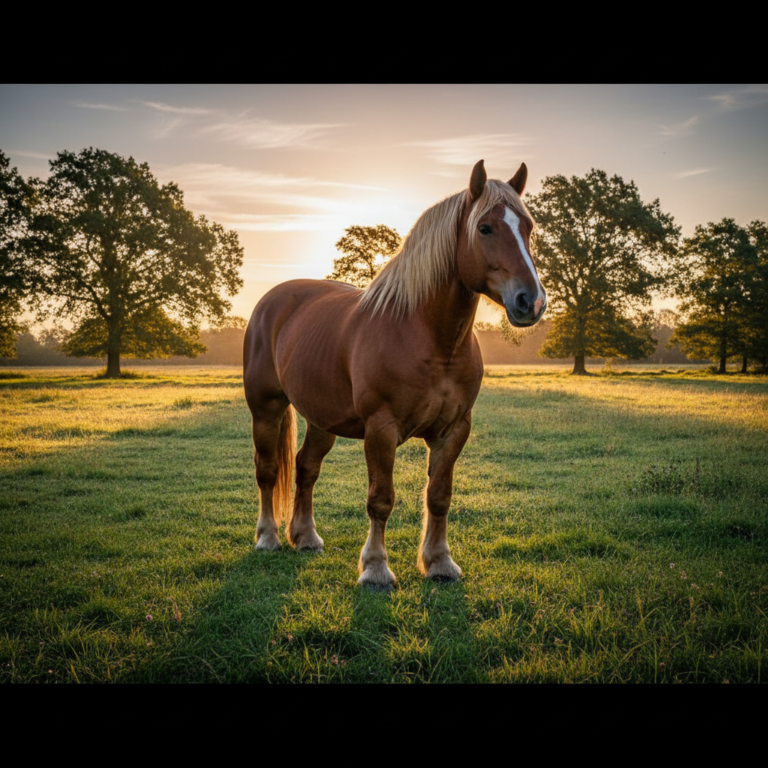

The Hanoverian Horse: The Ultimate Guide to This Elite Warmblood Breed
Table of Contents
Unveiling the Athletic Aristocrat of the Equine World
Imagine spending countless hours, investing significant resources, and enduring the emotional rollercoaster of searching for a horse that possesses it all: breathtaking athleticism, unwavering intelligence, and a temperament that can conquer the most demanding competitive stages.
Many equestrians embark on this quest, often encountering beautiful horses lacking the necessary fire, powerful horses lacking trainability, or talented horses that crumble under pressure. This isn’t just a dream; it’s the reality of the Hanoverian horse.
Renowned globally for its unparalleled athleticism, intelligence, and willing temperament, the Hanoverian horse breed has cemented its legacy as a cornerstone of competitive equestrian sports.
From the Olympic dressage arena to the demanding show jumping course, these magnificent hanoverian horses consistently demonstrate a remarkable blend of grace, strength, and trainability, offering the dedicated rider a partnership that truly delivers on the promise of elite performance.
This comprehensive guide will delve into the rich history, defining characteristics, and sporting prowess that make the Hanoverian a truly world-class breed, offering insights into their care, training, and the enduring appeal that captivates equestrians worldwide.
But what makes the Hanoverian so exceptionally consistent in delivering these high-performance results, and where did this remarkable breed come from?
The Illustrious History and Origins of the Hanoverian Horse
The journey of the Hanoverian horse is a fascinating tale of deliberate breeding, adaptation, and an unwavering commitment to excellence that spans nearly three centuries. Originating in the fertile plains of Lower Saxony, Germany, this breed’s evolution is deeply intertwined with the region’s rich equestrian heritage.
German Roots and Royal Patronage: From Carriage Horse to Cavalry Mount
The official history of the Hanoverian horse breed began in 1735, when King George II of Great Britain, also the Elector of Hanover, established the state stud at Celle. His vision was to produce versatile, powerful, and elegant horses suitable for both military use (cavalry mounts) and the burgeoning coach horse industry. The original indigenous mares of the region, known for their robust nature, were bred with stallions imported from various European countries, including Holsteiner, English Thoroughbreds, and Cleveland Bays. This foundational cross aimed to infuse the local stock with greater refinement, athleticism, and a more noble appearance, without sacrificing substance or a sound constitution.
These early hanoverian horses were celebrated for their strength, stamina, and imposing presence, making them ideal for pulling heavy carriages over long distances and carrying soldiers into battle. The royal patronage ensured continuous investment and meticulous record-keeping, laying the groundwork for the systematic breeding programs that would define the breed’s future. The focus during these nascent stages was on producing a horse that was not only functional but also possessed a good disposition, making them manageable and willing partners in their demanding roles.
The Foundation Sires and Early Breeding Goals: Strength, Stamina, and Disposition
The early breeding efforts at Celle were remarkably selective. Stallions were chosen not just for their physical attributes but also for their proven lineage and temperament. Thoroughbred blood was introduced to add refinement, speed, and agility, while Mecklenburgers, Andalusians, and Prussian horses contributed power and majestic gaits. The aim was a balanced horse strong enough for agricultural work and pulling, yet agile and responsive enough for riding. A key emphasis was placed on developing a calm, intelligent, and tractable disposition, knowing that a difficult horse, no matter how powerful, would be impractical for its intended purposes. Soundness was paramount; only the healthiest and most structurally correct animals were permitted to contribute to the gene pool.
This meticulous selection, guided by the Hanoverian Verband (the official registry and governing body), ensured that the breed steadily improved. The foundational period established a robust and adaptable horse that would prove crucial as equestrian needs began to change with the onset of industrialization. The focus on strong bones, good hooves, and a resilient constitution meant that early hanoverian horses were built to last, a trait that continues to define the breed today.
Evolution into a Modern Sport Horse: Adapting to the Demands of Competition
The mid-20th century marked a significant turning point for the Hanoverian horse. With the decline of horse-drawn carriages and cavalry, the demand for traditional utility horses dwindled. Recognizing this shift, the Hanoverian Verband made a strategic decision to pivot the breeding program towards producing a modern sport horse. This meant selectively introducing more Thoroughbred and Trakehner blood to increase refinement, improve jumping scope, and enhance the elastic, ground-covering gaits desired in dressage.

Stallions such as Ferdinand, Duellant, and Grande became influential sires, passing on their athletic prowess and distinctive qualities to generations of Hanoverian horses. The breeding goals evolved to prioritize characteristics vital for competitive dressage, show jumping, and eventing: elasticity, rideability, courage, and correct conformation for sustained athletic performance. The rigorous selection process, including mare performance tests and stallion licensing, was intensified to ensure that only individuals demonstrating superior athletic potential and temperament were allowed to breed. This forward-thinking adaptation cemented the Hanoverian’s place at the forefront of the global sport horse industry. How did these carefully cultivated traits translate into the physical and mental attributes that define the Hanoverian today, and what makes them so recognizable in the arena?
Defining Characteristics: The Hanoverian Horse’s Physical and Temperamental Traits
The quintessential Hanoverian horse is a picture of athletic grace and powerful elegance. These horses are purpose-bred to excel, and their physical and mental attributes are carefully cultivated to meet the highest demands of equestrian sport.
Physical Prowess: Conformation, Build, and Movement
The ideal Hanoverian horse breed stands between 16 and 17 hands (64-68 inches) tall, presenting a noble and powerful appearance without being coarse. Their conformation is typically well-balanced and harmonious, designed for athleticism and longevity. Key physical characteristics include:
* Head: Refined, intelligent, and expressive, often with a straight or slightly concave profile. Large, kind eyes and alert ears.
* Neck: Well-set, long, and muscular, arching gracefully from the shoulder to the poll, contributing to an elegant outline and self-carriage.
* Shoulders: Sloping and powerful, allowing for freedom of movement and a long stride.
* Back: Strong, relatively short, and well-muscled, transitioning smoothly to a powerful loin.
* Hindquarters: Deep, broad, and well-muscled, providing the immense power and impulsion necessary for collection, jumping, and propulsion.
* Legs: Strong, straight, and clean, with well-defined tendons and solid bone. Good, hard hooves are essential for soundness.
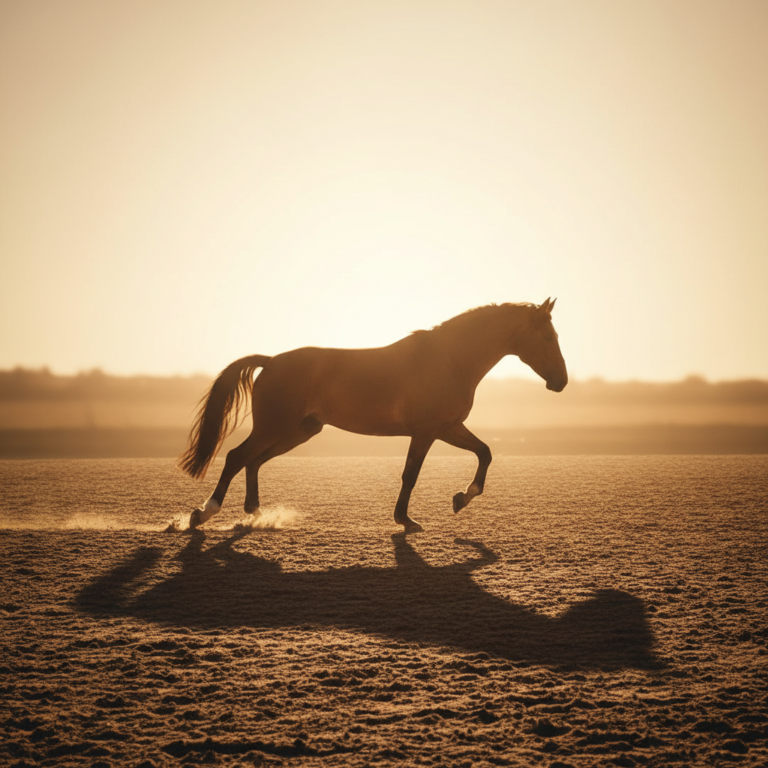
The movement of a Hanoverian horse is a hallmark of the breed, especially crucial for dressage. They typically exhibit three ground-covering, elastic, and rhythmic gaits. The walk is purposeful and relaxed, the trot is elevated and expressive with good impulsion from the hindquarters, and the canter is uphill, balanced, and scopey. These qualities ensure they can perform complex dressage movements with fluidity and power, and approach formidable show jumping fences with agility and confidence.
The Hanoverian Temperament: Intelligence, Trainability, and Willingness
Beyond their impressive physique, the temperament of the Hanoverian horse is arguably its most prized asset. These horses are celebrated for their:
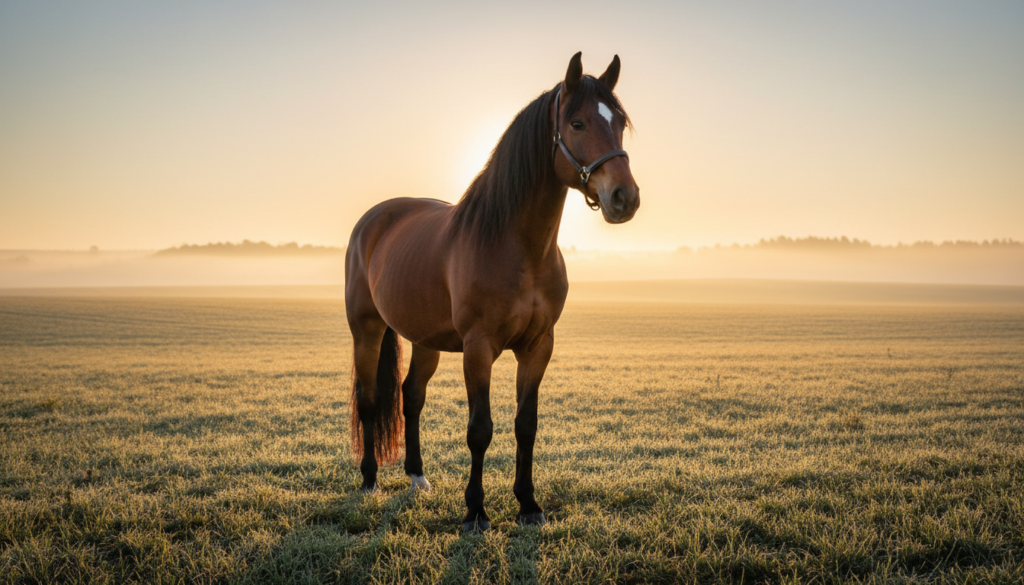
* Intelligence: Hanoverians are quick learners, capable of understanding complex commands and absorbing training effectively. This makes them highly trainable, though they also require a thoughtful and consistent rider.
* Willingness to Work (Rittigkeit): This characteristic is often emphasized in breeding descriptions. Hanoverians typically possess a strong desire to please and a remarkable work ethic. They are partners who genuinely enjoy the challenge of training and competition.
* Courage and Level-Headedness: In the high-pressure environment of competitive sports, a Hanoverian horse is expected to remain focused and brave. They are known for their ability to handle crowds, new venues, and demanding tasks without becoming overly flustered.
* Sensitivity with Sensibility: While they are sensitive to aids and capable of subtle communication, they generally possess a calm and sensible demeanor, making them responsive without being overly reactive or spooky.
This combination of intelligence, willingness, and a robust mental constitution makes the Hanoverian a highly sought-after partner for riders aspiring to reach the highest levels of equestrian sport.
Coat Colors, Markings, and Ideal Hanoverian Appearance
While performance is paramount, the appearance of the Hanoverian horse breed also contributes to its appeal. The most common coat colors are bay, chestnut, black, and grey. White markings are generally permitted on the face (stars, strips, blazes) and lower legs (socks, stockings), but excessive white is typically discouraged by the Verband, particularly on the body. The overall impression is one of nobility, refinement, and powerful athleticism. A well-conditioned Hanoverian presents a sleek, muscular outline, exuding confidence and a readiness to perform.
It’s these very qualities the harmonious blend of physical prowess and an exceptional temperament that make the Hanoverian horse not just beautiful, but a consistent champion across a multitude of equestrian disciplines. Let’s explore their dominance in the arena.
Hanoverian Horses in Equestrian Sports: Dominance in the Arena
The Hanoverian horse is synonymous with success in the competitive equestrian world. For decades, these magnificent hanoverian horses have graced podiums at the highest levels, proving their versatility and athletic superiority across multiple disciplines.
Dominance in Dressage: Grace, Precision, and Rhythmic Movement
Perhaps no discipline showcases the Hanoverian horse breed’s strengths more perfectly than dressage. Their natural uphill build, powerful hindquarters, and exceptionally elastic, ground-covering gaits are precisely what judges look for. Hanoverians possess the inherent balance and suppleness required to perform the intricate movements of dressage, from collected gaits to pirouettes and piaffes, with grace and precision. Their keen intelligence and willingness to work make them highly trainable, allowing riders to refine aids and achieve a profound level of harmony. This combination has led to countless Hanoverians achieving Grand Prix status and earning medals at European Championships, World Equestrian Games, and the Olympic Games, solidifying their reputation as the ultimate dressage partners.
Soaring Success in Show Jumping: Power, Agility, and Scope
While celebrated for dressage, Hanoverian horses are equally formidable in the show jumping arena. Their powerful hindquarters provide immense propulsion, allowing them to clear formidable heights and wide spreads with ease. Combined with their agile bodies and courageous temperament, Hanoverians demonstrate excellent scope and carefulness over fences. They possess the bravery to tackle challenging courses, the intelligence to adjust their stride, and the athleticism to make seemingly impossible efforts look effortless. Many top international show jumpers proudly carry Hanoverian bloodlines, a testament to the breed’s consistent ability to produce horses with the necessary attributes for this demanding discipline.
Eventing and Driving: Versatility Beyond the Traditional Disciplines
The versatility of the Hanoverian horse extends beyond the two most prominent disciplines. In eventing, a sport that combines dressage, cross-country, and show jumping, their all-around athleticism, stamina, and brave temperament make them excellent competitors. They have the endurance for the demanding cross-country phase, the jumping ability for the fixed obstacles, and the precision for the dressage test. Furthermore, their strength, elegant appearance, and steady disposition also make them suitable for combined driving, where their power and trainability are highly valued for pulling carriages in intricate patterns and demanding marathons. This broad spectrum of success underscores the breed’s adaptability and the comprehensive nature of its breeding program.
Notable Hanoverian Champions and Olympic Stars: A Legacy of Excellence
The list of legendary Hanoverian horses is extensive and inspiring.
Icons like Gigolo, ridden by Isabell Werth, revolutionized the dressage world with multiple Olympic gold medals and World Championship titles.
Salinero, with Anky van Grunsven, continued this legacy of dominance, captivating audiences with his expressive gaits.
In show jumping, horses like Goldfever, a consistent winner with Ludger Beerbaum, showcased the breed’s jumping prowess.
These individual stars, and many others, are not mere anomalies but rather emblematic of the breed’s consistent ability to produce champions.
Their omnipresence on the international stage reinforces the Hanoverian horse breed’s status as a benchmark for equine performance.
This consistent excellence isn’t accidental; it’s the result of rigorous breeding standards and meticulous selection processes upheld by dedicated guardians of the breed.
Breeding Standards and Selection: Upholding the Hanoverian Legacy
The unparalleled success of the Hanoverian horse is not a matter of chance; it’s the direct result of a meticulously managed breeding program and unwavering dedication to maintaining strict standards. This commitment ensures that only the finest individuals contribute to the breed’s future.
The Hanoverian Verband: Guardians of the Breed’s Integrity
At the heart of the Hanoverian horse breed’s integrity lies the Hanoverian Verband, headquartered in Verden, Germany. This organization serves as the official registry and governing body for the breed worldwide. Its primary role is to protect, preserve, and enhance the genetic quality and characteristics of the Hanoverian. The Verband manages the studbook, registers all purebred Hanoverians, and sets the stringent rules and guidelines for breeding, inspections, and performance testing. They play a crucial role in promoting the breed internationally and ensuring that all breeding efforts align with the long-standing goals of producing top-tier sport horses. Their global reach through satellite organizations ensures consistent standards across continents.
Strict Selection Process: Inspections, Performance Tests, and Licensing
The breeding process for Hanoverian horses is one of the most rigorous in the world. It involves multiple layers of evaluation designed to identify individuals with superior genetics, conformation, temperament, and athletic ability:
* Mare and Foal Inspections: Young fillies are presented at mare shows, where their conformation, gaits, and overall type are assessed. Only mares that meet high standards are accepted into the main studbook, making them eligible for breeding. Foals are also evaluated for type and quality.
* Stallion Licensing (Körung): This is perhaps the most famous and crucial part of the selection process. Young stallions undergo a multi-day assessment that includes:
* Conformation Evaluation: Detailed assessment of their physical structure against the breed standard.
* Movement on Hard and Soft Ground: Evaluation of their walk, trot, and canter for rhythm, elasticity, and impulsion.
* Free Jumping: To assess their natural jumping ability, scope, and technique without a rider.
* Temperament Assessment: Evaluation of their character, rideability, and willingness to cooperate.
Only a small percentage of stallions pass the licensing, earning the coveted status of “licensed stallion” and the right to breed.
* Performance Tests: After licensing, stallions (and some mares) undergo comprehensive performance tests (e.g., the 70-day test for stallions, or mare performance tests SLP). These tests evaluate their rideability, temperament, suitability for dressage and jumping, and overall character under saddle. Only those that demonstrate exceptional performance and a willing attitude earn their final approval.
This meticulous, multi-stage selection process ensures that genetic defects are minimized and that only horses with proven potential contribute to the future generations of Hanoverian horses, thereby upholding the breed’s legacy of excellence.
Understanding Hanoverian Bloodlines and Pedigrees
For breeders and serious buyers, understanding Hanoverian bloodlines and pedigrees is paramount. The Verband maintains extensive records, allowing individuals to trace the lineage of any registered Hanoverian horse back generations. This information is critical for identifying specific traits (e.g., strong jumping lines, exceptional dressage movers, specific temperaments) and making informed breeding or purchasing decisions. Prominent sire lines, such as those descending from Ferdinand, Gotthard, Absatz, and E.H. Gribaldi, are revered for consistently producing top sport horses. By studying pedigrees, breeders can predict potential inherited traits and make strategic pairings to optimize the chances of producing a future champion.

Choosing a Hanoverian Horse: What to Look For in a Prospect
When selecting a Hanoverian horse, especially for competition, several factors go beyond basic conformation:
* Verband Papers: Always ensure the horse has legitimate Hanoverian Verband papers, indicating its registered lineage and verified breeding.
* Conformation for Discipline: While all Hanoverians have good conformation, consider if their build is more suited for dressage (uphill, powerful hindquarters) or jumping (strong back, agile).
* Temperament Match: Assess if the horse’s temperament aligns with your riding experience and goals. While generally willing, individual differences exist.
* Soundness Records and Vet Checks: Thoroughly review the horse’s veterinary history and conduct a pre-purchase veterinary examination to ensure long-term soundness.
* Performance Test Results: For younger horses, review their scores from mare or stallion performance tests, which offer objective insights into their natural abilities.
Once you’ve identified a promising Hanoverian horse, the journey truly begins. Understanding their specific care and training needs is paramount to unlocking their full potential.
Practical Advice: Care and Training for Your Hanoverian Horse
Owning a Hanoverian horse is a rewarding experience, but it comes with the responsibility of providing care that matches their high-performance potential. These athletes require a thoughtful approach to nutrition, exercise, health, and training to truly thrive.
Nutritional Needs for the Athletic Hanoverian: Fueling Performance
As high-performance athletes, Hanoverian horses have specific nutritional requirements to support their demanding workloads, maintain peak physical condition, and aid in recovery.
* High-Quality Forage: The foundation of any equine diet, free-choice, high-quality hay or pasture is essential for digestive health and providing consistent energy.
* Balanced Concentrates: Depending on the workload, concentrates (grains, pellets) should be selected to provide adequate calories, protein for muscle development, and essential vitamins and minerals. These diets should be tailored to the individual horse’s age, weight, and exercise intensity.
* Supplements: Many performance Hanoverian horses benefit from supplements for joint health (glucosamine, chondroitin), muscle support (amino acids, Vitamin E/Selenium), and hoof quality. Electrolytes are crucial for horses in strenuous work, especially in warm climates.
* Hydration: Constant access to fresh, clean water is non-negotiable, particularly for athletic horses to prevent dehydration and support metabolic functions.
Working with an equine nutritionist or your veterinarian is highly recommended to develop a customized feeding plan that maximizes your Hanoverian’s health and performance.
Exercise Regimes and Maintaining Peak Fitness
A consistent and varied exercise regime is vital for keeping a Hanoverian horse physically and mentally fit.
* Structured Work: Regular schooling sessions focused on developing strength, suppleness, and specific discipline skills (dressage movements, jumping grids).
* Variety: Incorporate hacking, pole work, lunging, and turn-out to prevent boredom, promote mental well-being, and engage different muscle groups. Cross-training can include hill work for stamina or cavaletti for coordination.
* Conditioning: Gradual conditioning is key to building strength and stamina without over-stressing joints and muscles. This includes warm-ups, cool-downs, and active recovery periods.
* Turn-out: Adequate turnout in a safe pasture environment is crucial for mental health, allowing them to move freely, socialize, and decompress from structured work.
Understanding your Hanoverian horse’s fitness level and adjusting their workload accordingly is paramount to preventing injuries and optimizing performance.
Health Considerations and Common Ailments in the Hanoverian Horse Breed
While generally robust and sound due to selective breeding, Hanoverian horses, like all equine athletes, can be susceptible to certain health issues:
* Musculoskeletal Issues: Due to the demands of their sports, they can be prone to conditions like hock arthritis, suspensory ligament injuries, or soft tissue strains. Regular veterinary check-ups, early detection, and proper management are essential.
* Digestive Health: High-stress environments, intense training, and concentrate-heavy diets can sometimes predispose them to gastric ulcers or colic. Proactive management includes consistent feeding schedules, ample forage, and stress reduction.
* Respiratory Health: Good stable ventilation and dust-free environments are important to prevent respiratory issues.
Regular preventative care, including vaccinations, deworming, dental care, and consistent farrier visits, forms the backbone of maintaining a healthy Hanoverian horse. Building a strong relationship with a knowledgeable equine veterinarian is indispensable.
Training the Hanoverian: Harnessing Intelligence and Drive for Success
Training a Hanoverian horse is a partnership built on trust, consistency, and clear communication. Their intelligence and willingness to work are immense assets.
* Consistency and Clear Aids: Hanoverians thrive on routine and clear, consistent aids. They learn quickly but also remember inconsistencies.
* Positive Reinforcement: While firm, positive reinforcement and praise are highly effective with these intelligent and sensitive horses.
* Patience and Understanding: Progress takes time. Understanding their individual learning curve and avoiding rushing the training process is crucial.
* Professional Guidance: For competitive goals, working with an experienced trainer who understands the warmblood psyche and specific discipline demands is invaluable. They can help harness the Hanoverian’s natural drive and refine their abilities.
* Building a Partnership: The ultimate goal is to foster a strong, trusting partnership where horse and rider work as one, unlocking the full potential of this magnificent breed.
Given the commitment required, it’s essential to consider whether a Hanoverian horse is truly the right match for your equestrian aspirations and lifestyle.
Is a Hanoverian Horse Right For You?
The decision to acquire a Hanoverian horse is a significant one, and it’s crucial to honestly assess if this elite breed aligns with your capabilities, resources, and equestrian goals. Owning a Hanoverian is not merely having a horse; it’s committing to a high-performance athlete.
The Commitment and Investment Required for a High-Performance Breed
Make no mistake: owning a Hanoverian horse breed represents a substantial commitment of both time and financial resources. These are not “backyard horses” in the traditional sense; they are finely tuned athletes that require specialized care and management.
* Financial Investment:
* Purchase Price: Quality Hanoverians, especially those with good bloodlines or competitive records, command significant prices.
* Boarding/Stabling: They thrive in professional boarding facilities that offer structured care, high-quality feed, and consistent turnout.
* Feed and Supplements: As discussed, their dietary needs are precise and can be costly.
* Veterinary Care: Regular check-ups, preventative treatments, and potential sports medicine interventions (e.g., joint injections, lameness diagnostics) are part of the program.
* Farrier Care: Expert farrier work is essential for maintaining sound hooves and proper balance for performance.
* Training and Lessons: Consistent professional training for both horse and rider is crucial for progression.
* Equipment: High-quality tack, specialized blankets, and grooming supplies are necessary.
* Competition Fees: Entry fees, transportation, and overnight stays for shows can add up quickly.
* Time Commitment:
* Daily Care: Daily checks, grooming, and mucking.
* Training Schedule: A consistent training schedule, often 5-6 days a week, is vital.
* Management: Coordinating with vets, farriers, and trainers.
* Travel: To lessons, clinics, and competitions.
For the right individual, this investment is completely justified by the immense rewards, but it’s essential to enter with eyes wide open to the full scope of what’s involved.
Ideal Rider Profile: Matching Skill with Hanoverian Potential
The ideal rider for a Hanoverian horse is someone who possesses a particular blend of experience, ambition, and understanding.
* Experienced and Confident: While Hanoverians are willing, their intelligence means they can exploit an inexperienced or inconsistent rider. They excel with riders who have a solid foundation, clear aids, and a confident seat.
* Ambitious and Goal-Oriented: Hanoverians thrive on purpose. Riders who have competitive goals in dressage, show jumping, or eventing will find a willing and capable partner. They are not typically suited for casual pleasure riding where their talents might go unused.
* Patient and Consistent: Despite their intelligence, they are still horses and require patient, consistent training. A rider who understands how to build a partnership over time, through clear communication and positive reinforcement, will achieve the best results.
* Appreciative of Intelligence and Sensitivity: These horses are thinkers and feelers. A rider who appreciates their sensitivity and intelligent nature, rather than becoming frustrated by it, will forge a deep and rewarding bond.
* Committed to Lifelong Learning: Owning a Hanoverian horse means committing to your own continuous learning and growth as a rider, often under the guidance of experienced professionals.
For those who embrace the challenge and the journey, the Hanoverian offers a partnership unlike any other, culminating in the enduring appeal that has solidified its place at the pinnacle of the equestrian world.
The Enduring Appeal of the Hanoverian Horse
The Hanoverian horse, a breed synonymous with excellence, truly stands as a testament to centuries of meticulous breeding and a deep understanding of equine athleticism.
From its humble German origins to its current status as a global leader in equestrian sports, especially dressage and show jumping, the hanoverian horse has consistently proven its worth.
Their combination of stunning conformation, intelligent temperament, and formidable athletic ability makes them a coveted partner for competitive riders.
While owning and training a hanoverian horse requires dedication and a significant investment of time and resources, the rewards a powerful, elegant, and highly trainable equine companion are immeasurable.
The legacy of the Hanoverian horse continues to inspire, representing the pinnacle of warmblood breeding and a true icon of the equestrian world.
For the discerning equestrian seeking to achieve their highest aspirations, the Hanoverian offers not just a horse, but a lifelong partner in the pursuit of perfection.
FAQ
What makes a Hanoverian horse unique?
The Hanoverian is unique for its exceptional “rideability” and versatility. It combines a powerful, athletic build with a willing and steady temperament, making it a world leader in Olympic disciplines like dressage and show jumping.
Are Hanoverian horses good for beginners?
While they are known for their calm and sensible nature, Hanoverians are high-performance athletes. They can be suitable for ambitious beginners under professional guidance, but they are generally best paired with intermediate to advanced riders who can manage their power.
What breeds make up a Hanoverian horse?
The modern Hanoverian was developed by crossing local German stock with Thoroughbreds and Holsteiners for refinement. Later, Trakehner blood was introduced to enhance the elegance and “elastic” movement the breed is famous for today.
Is a Hanoverian horse a Warmblood?
Yes, the Hanoverian is one of the most prominent and successful “Warmblood” breeds in the world. This means it was developed by crossing “cold-blooded” heavy draft horses with “hot-blooded” Thoroughbreds to create the perfect sport horse.
How big do Hanoverian horses typically get?
Most Hanoverians stand between 16 and 17.1 hands (64 to 68 inches). They are known for a large, imposing presence that remains refined and elegant in the arena.
What is the average lifespan of a Hanoverian horse?
With proper care and nutrition, a Hanoverian horse typically lives between 20 to 25 years, often remaining active in competition well into their late teens.
Why are Hanoverians so expensive?
The cost reflects the rigorous breeding standards and meticulous selection process of the Hannoveraner Verband. Only the best stallions and mares are approved for breeding, ensuring elite athleticism and health.
📚 References
- Official breeding and registration standards can be found at the Hannoveraner Verband, the global authority for the breed.
- North American breed information and pedigree tracking is provided by The American Hanoverian Society (AHS).
- Historical development and sport performance records are documented by the British Hanoverian Horse Society.
- General breed traits and athletic achievements are detailed in the Hanoverian profile at the American Museum of Natural History.