

Essential Horse Grooming Tools: Your Complete Guide for Beginners
Table of Contents
The Unsung Heroes of Horse Care: Why Essential Horse Grooming Matters
Imagine the subtle signs you might miss: a hidden scratch turning into an infection, an unnoticed stone in a hoof leading to lameness, or matted hair causing discomfort and skin issues. Neglecting proper horse grooming doesn’t just mean a messy coat; it’s a slippery slope that can rapidly escalate into preventable health problems, behavioral challenges, and a strained relationship with your equine partner. The initial excitement of new horse ownership can quickly be overshadowed by these avoidable pitfalls if you don’t understand the fundamental aspects of daily care.
Beyond simply making your horse look presentable, proper horse grooming is a cornerstone of responsible horse ownership. It’s an intimate process that profoundly impacts their health, hygiene, and even their behavior. Regular grooming helps prevent skin conditions, promotes blood circulation, strengthens muscle tone, and allows you to conduct crucial daily health checks. For the first-time equestrian, building your ultimate essential horse grooming kit might seem daunting, given the array of brushes, combs, and picks available. But where do you even start with the myriad of horse grooming tools, and which ones are truly indispensable for a beginner?
Building Your First Beginner Horse Grooming Kit: The Absolute Essentials
Embarking on your beginner horse grooming journey means understanding that not all tools are created equal, and a few key items form the bedrock of effective care. These are the workhorses of your kit, designed to tackle the most common grooming challenges and ensure your horse’s basic comfort and cleanliness.
The Curry Comb: The Foundation of Cleaning
The curry comb is arguably the most fundamental among all horse grooming tools you’ll own. Its primary purpose isn’t just surface cleaning; it’s designed to penetrate the coat, loosening deep-seated dirt, mud, and shedding hair while simultaneously stimulating the skin and distributing natural oils.
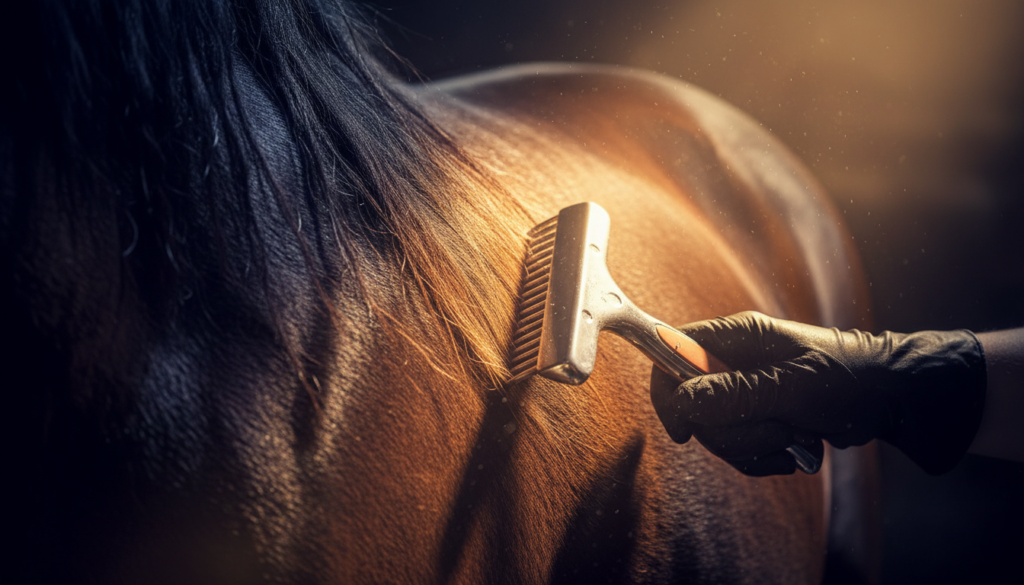
* Purpose: Loosens dirt, caked mud, and shedding hair from the coat. It also stimulates circulation and brings natural oils to the surface, promoting a healthy, shiny coat.
* Types:
* Rubber Curry Comb: The most common and versatile type, ideal for most horses. Its flexible rubber teeth are effective yet gentle enough for sensitive skin.
* Metal Curry Comb: More aggressive, primarily used for horses with very thick, muddy coats or during heavy shedding. Use with extreme caution and never on bony areas or sensitive skin. Not recommended for beginners unless under expert supervision.
* How to Use: Start at the neck and work your way back, using firm, circular motions. After currying an area, wipe the collected dirt and hair from the curry comb against a stiff brush or tap it out.
* Care: Easy to clean by simply rinsing with water or tapping out debris.
The Stiff Bristle Brush (Dandy Brush): Tackling the Stubborn Stuff
Once the curry comb has loosened the debris, the stiff bristle brush another essential among your horse grooming tools steps in to sweep it away. This tool is crucial for removing the bulk of dirt, mud, and sweat from the horse’s body.
* Purpose: Removes the dirt and debris brought to the surface by the curry comb. It’s excellent for tackling dried mud and sweat, leaving the coat cleaner.
* Bristle Type: Made with stiff, coarse bristles (either natural or synthetic).
* How to Use: Use short, flicking strokes in the direction of hair growth, starting from the neck and moving towards the tail. After a few strokes, “clean” the brush by scraping it against your curry comb or tapping it against a solid surface to remove collected dirt.
* Care: Tap out dirt after each use. Periodically wash with mild soap and water, then allow to air dry completely.
The Soft Bristle Brush (Body Brush): For Shine and Sensitive Areas
The soft bristle brush is the polishing tool of your horse grooming tools, bringing out the natural shine of your horse’s coat and removing fine dust. It’s also the ideal choice for more sensitive areas.
* Purpose: Removes fine dust, polishes the coat, and further distributes natural oils, leaving a healthy sheen. It’s also perfect for use on sensitive areas like the face and lower legs.
* Bristle Type: Made with soft, dense bristles (often natural horsehair or synthetic alternatives).
* How to Use: Use long, sweeping strokes in the direction of hair growth. This brush is used after the curry comb and stiff brush to finish the coat.
* Care: Like the stiff brush, tap out collected hair and dust regularly. Wash periodically with mild soap and water.
The Hoof Pick: The Non-Negotiable Safety Tool
If there’s one tool you absolutely cannot go without, it’s the hoof pick. Neglecting daily hoof care can lead to serious health issues, making this a critical safety and health maintenance item in your collection of horse grooming tools.
* Purpose: Removes dirt, mud, stones, ice, and other debris from the sole and frog of the hoof. Regular picking helps prevent thrush, stone bruises, and lameness.
* Design: Typically features a sturdy metal hook, often with a small brush on the end to whisk away remaining debris.
* How to Use: Always pick the hoof from the heel towards the toe, carefully working around the frog (the V-shaped soft tissue in the center of the sole) and avoiding digging into it or the sensitive sole. Be careful not to poke the horse with the sharp end.
* Care: Keep the metal hook clean and free of rust.
The Mane and Tail Comb (or Brush): Untangling the Glory
A horse’s mane and tail are not just beautiful; they serve practical purposes for swatting flies and protecting from elements. Keeping them clean and tangle-free is essential.
* Purpose: Detangles, smooths, and removes debris from the mane and tail. Prevents matting and breakage.
* Types:
* Wide-tooth Comb: Excellent for thick manes and tails, reducing breakage.
* Specialized Mane and Tail Brush: Designed with widely spaced, strong bristles to glide through hair.
* How to Use: Always start from the bottom of the mane or tail, holding the hair above the section you’re working on to minimize pulling. Work your way up gently. A detangling spray can be very helpful for knotted manes and tails.
* Care: Remove hair from the comb/brush after each use. Wash periodically to remove product buildup.
These tools form the backbone of any good beginner horse grooming kit. But what about those extra touches that make a real difference in your horse’s comfort and appearance, or for specific situations?
Expanding Your Essential Horse Grooming Kit: Next-Level Tools
Once you’ve mastered the basics, you’ll find that a few additional horse grooming tools can significantly enhance your routine, making it more efficient and addressing specific needs throughout the year. These items are the perfect next steps for expanding your essential horse grooming kit.
The Shedding Blade: The Seasonal Savior
Anyone who has owned a horse through a change of seasons knows the sheer volume of hair they can shed. The shedding blade becomes one of the most indispensable horse grooming tools during these times.
* Purpose: Efficiently removes large amounts of loose winter hair during shedding season. It can also be used as a sweat scraper after a bath or intense workout.
* Types: Most commonly, a serrated metal loop. Some are straight, pliable metal blades.
* How to Use: Use gentle, scraping motions in the direction of hair growth. Be mindful of bony areas and sensitive skin, where you should apply less pressure or avoid entirely. For heavy shedding, use after currying.
* Caution: Can be sharp; avoid pressing too hard or using on thin-skinned or sensitive areas.
* Care: Wipe clean after use.
The Face Brush: The Gentle Touch
The horse’s face is one of its most sensitive areas, requiring a softer approach than the rest of the body. A dedicated face brush ensures comfort and thorough cleaning, making it a favorite among specialized horse grooming tools.
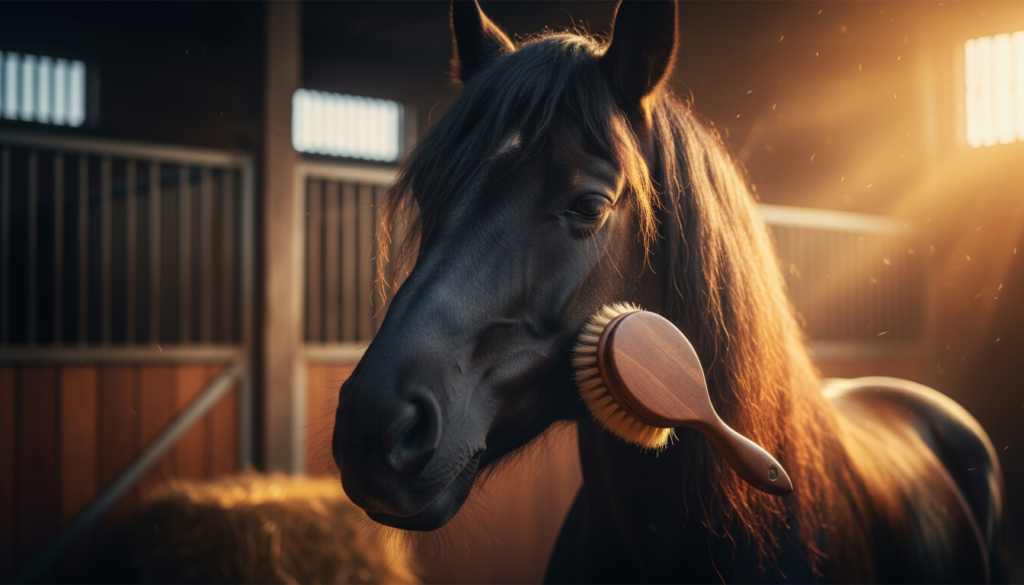
* Purpose: Specifically designed with extra-soft bristles to gently clean sensitive facial areas around the eyes, muzzle, and ears without causing irritation.
* Bristle Type: Extra soft, often natural hair. Smaller head than a body brush.
* How to Use: Use very gentle, short strokes. Pay attention to corners of eyes and nostrils, wiping away any discharge or debris.
* Care: Keep very clean; wash frequently due to proximity to eyes and nostrils.
The Sweat Scraper: Post-Workout Essential
After a good ride or a refreshing bath, removing excess moisture quickly is key to preventing chills and reducing drying time.
* Purpose: Quickly removes excess sweat after exercise or water after a bath, helping your horse dry faster and reducing the risk of chilling, making it one of the most practical horse grooming tools after a bath.
* Types: Can be a flexible rubber blade or a metal blade with a handle.
* How to Use: Use smooth, firm strokes across the horse’s body, working the scraper downwards to push off water or sweat.
* Care: Rinse clean after each use.
Sponges and Towels: For Targeted Cleaning and Drying
These seemingly simple horse grooming tools, like sponges and towels, are surprisingly versatile and crucial for maintaining hygiene in specific areas.
* Purpose: Sponges are ideal for targeted cleaning of eyes, nostrils, and the dock area. They can also be used for applying liniments or bathing. Towels are essential for drying, polishing, and wiping away grime.
* Types: Natural or synthetic sponges, old bath towels, or specialized equine towels.
* Hygiene: Designate separate sponges for different areas (e.g., one for eyes/face, one for the dock/under-tail area) to prevent cross-contamination.
* Care: Wash sponges and towels thoroughly after each use.
Now that your basic kit is robust, are there any specialized items that can elevate your grooming game further, especially for specific needs or disciplines?
Specialized Horse Grooming Tools for Specific Needs
As you become more experienced, you might encounter situations or develop an interest in specific disciplines that call for more specialized horse grooming tools. These items can help achieve a professional finish, manage unique coat challenges, or even save you time and effort.
Clippers (and Trimmers): For a Polished Look
Clippers are a significant investment and skill to learn, but they offer unparalleled precision for maintaining coat length and achieving a tidy appearance.
* Purpose: Full body clips for managing coat length (especially in winter to prevent overheating and aid drying), tidying bridle paths, ears, muzzles, and legs for a clean, show-ring ready look.
* Types:
* Large Body Clippers: Powerful and designed for full body clips.
* Small Trimmers: Quieter and more maneuverable, perfect for sensitive areas like the face and ears.
* Considerations: Cost, noise level (some horses are sensitive), blade maintenance (sharpening, oiling), and safety. Learning to use clippers safely and effectively takes practice.
* When to Use: Primarily for show season preparations or to manage a horse’s winter coat if they are in heavy work.
* Care: Keep blades clean, oiled, and sharp. Store clippers in a dry, safe place.
Detanglers and Conditioners: For Luxurious Manes and Tails
For horses with particularly thick, long, or prone-to-matting manes and tails, specialized products used alongside your horse grooming tools can be a game-changer for thick manes.
* Purpose: Prevent knots, reduce breakage, add shine, and make grooming manes and tails significantly easier. They can also protect the hair from dirt and sun damage.
* Application: Spray directly onto the mane and tail, then work through with your comb or brush, starting from the bottom.
* Benefits: Reduces grooming time and preserves the beauty and health of the horse’s natural fly swatter.
Grooming Mitts: An Alternative or Supplement
Grooming mitts are alternative horse grooming tools that offer a different tactile experience, useful for sensitive horses or quick touch-ups.
* Purpose: Can be used for sensitive horses who dislike brushes, for quick touch-ups, for applying liniments, or for providing a massaging effect during grooming.
* Material: Often rubber with nubs or fabric with a textured surface.
* Benefits: Allows for direct hand contact, which some horses prefer, and can be very effective at removing loose hair and dirt with less pressure than a brush.
Wound Care and First Aid Kit (Grooming Box Addition): Essential for Emergencies
While not strictly a “grooming tool,” a basic first aid kit should always be part of your comprehensive grooming supplies.
* Purpose: Immediate treatment for minor cuts, scrapes, insect bites, or other small injuries discovered during grooming.
* Contents: Antiseptic solution (e.g., chlorhexidine or iodine scrub), sterile gauze pads, self-adhesive wrap (vet wrap), a non-stick dressing, wound cream or spray, and gloves.
* Importance: Early intervention for minor injuries can prevent them from becoming more serious infections.
Having all these tools is one thing, but knowing how to store them, organize them, and establish a routine is where true horsemanship shines.
Establishing Your Grooming Routine and Space
Possessing a complete essential horse grooming kit is only half the battle. To truly excel at beginner horse grooming, you need to establish an efficient system for storage, create a safe and comfortable grooming area, and develop a consistent routine that benefits both you and your horse.
The Grooming Box/Tote: Keeping It All Organized
A designated grooming box or tote is crucial for keeping your tools clean, organized, and easily accessible.
* Why it Matters: A well-organized box saves time, prevents tools from getting lost or damaged, and ensures you have everything you need when you need it. It also promotes hygiene by keeping tools contained.
* Features: Look for a durable, easily washable plastic or metal box with a sturdy handle. Compartments or a removable tray can help separate smaller items. Some come with a built-in step, which is a bonus.
* Contents: Arrange tools logically: hoof pick and curry comb on top for easy access, brushes neatly stacked, sprays and detanglers upright.
Setting Up Your Grooming Area: Safety and Comfort
The environment where you groom your horse is just as important as the tools you use.
* Location: Choose a well-lit area, ideally protected from harsh weather. A non-slip surface is critical for both horse and groom.
* Security: Ensure you have sturdy cross-ties or a safe hitching post to secure your horse. This prevents them from wandering off, protects you from accidental kicks, and allows you to focus on the task.
* Clearance: Make sure there’s enough space to move safely around your horse without tripping over obstacles.
Developing a Routine: Consistency is Key
Horses thrive on routine, and grooming is no exception. A consistent schedule helps your horse anticipate and enjoy the process, making it a more productive and bonding experience.
* Pre-ride/Post-ride Groom: A quick groom is always recommended. Before a ride, a basic brush-down and hoof pick ensure no debris is under the saddle or in the hooves. Post-ride, remove sweat, check for rubs, and pick hooves again.
* Weekly/Deep Groom: Set aside time for a more thorough grooming session. This includes a full body brush, comprehensive mane and tail care, and a detailed health check (more on this below).
* Seasonal Grooming: Adjust your routine for seasonal changes. Heavy shedding in spring and fall will require more frequent use of a shedding blade.
* Frequency: Ideally, at least a quick groom daily. A full groom 2-3 times a week is excellent for maintaining health and coat condition.
Grooming Order: A Logical Sequence for Efficiency
Following a systematic order with your horse grooming tools makes your grooming routine more efficient and professional you don’t miss any areas.
1. Hoof Care First: Always start by picking out all four hooves. This is a critical safety check and removes hazardous debris immediately.
2. Curry Comb: Start at the neck and work back, using circular motions to loosen dirt and stimulate the skin.
3. Stiff Bristle Brush: Follow with the stiff brush to remove the bulk of the loosened dirt.
4. Soft Bristle Brush: Finish with the soft brush to remove fine dust and polish the coat.
5. Mane and Tail: Gently detangle and comb, working from the bottom up.
6. Face Brush: Use a soft face brush for sensitive facial areas.
7. Specialized Tools (as needed): Incorporate shedding blades, sweat scrapers, or clippers as required by the season or task.
Even with the perfect set of tools and a solid routine, what are some often-overlooked best practices that ensure both your safety and your horse’s well-being during grooming?
Beyond the Tools: Best Practices, Safety, and Bonding
Grooming is far more than just brushing a horse; it’s an interactive activity that builds trust, strengthens your bond, and provides invaluable opportunities for health checks. For the beginner horse grooming enthusiast, understanding these best practices is just as important as knowing your horse grooming tools.
Safety First: Always Prioritize
Your safety and your horse’s well-being are paramount. Always be mindful of your surroundings and your horse’s behavior.
* Secure Your Horse: Always groom in a safe, secure area where your horse is properly tied (cross-ties or a sturdy hitching post). Never leave a tied horse unattended.
* Be Aware of Body Language: Learn to read your horse’s cues. Pinning ears, swishing tail, or tensing muscles can indicate discomfort or annoyance. Adjust your approach if you notice these signs.
* Proper Handling of Tools: Always use tools as intended. Be gentle with sharp objects like hoof picks, and avoid sudden movements that might startle your horse. Store tools safely when not in use.
* Move Safely Around Your Horse: Avoid walking directly behind your horse. If you must pass behind, place a hand on their rump and talk to them to let them know where you are.
The Health Check: Using horse grooming tools as a Diagnostic Tool for Health Checks
One of the most valuable aspects of regular grooming is the opportunity it provides for a thorough health assessment. This daily interaction allows you to become intimately familiar with your horse’s normal state, making it easier to spot deviations.
* Feel for Bumps, Scrapes, Heat, Swelling: As you run your hands over your horse’s body with the curry comb and brushes, pay attention to any unusual lumps, cuts, heat spots, or areas of tenderness.
* Check Eyes, Ears, Nostrils: Look for any discharge, redness, swelling, or foreign objects. A healthy horse’s eyes should be clear and bright.
* Observe Skin and Coat: Note any dryness, flakiness, dandruff, skin irritations, or the presence of parasites (lice, ticks) that you might catch while using your horse grooming tools.
* Hoof Health: When picking hooves, examine the sole for bruises, the frog for signs of thrush (a black, foul-smelling discharge), and the white line for separations. Check for loose shoes if shod.
* Subtle Lameness/Discomfort: Your horse might reveal discomfort through changes in their willingness to be groomed in certain areas, or by shifting weight subtly. Catching these early can prevent more serious issues.
The Bonding Experience: More Than Just Cleaning
Grooming is a powerful bonding ritual. It’s a time for quiet connection and mutual trust-building between you and your horse.
* Building Trust and Communication: Gentle, consistent grooming teaches your horse to trust your touch and presence. They learn that your hands bring comfort, not just correction.
* Understanding Your Horse’s Preferences: You’ll discover where your horse enjoys being scratched most, and where they are more sensitive. This understanding deepens your relationship.
* A Calm, Meditative Time: For many, grooming is a peaceful, almost meditative activity that allows you to de-stress and focus solely on your horse.
Cleaning Your Tools: Extending Their Life and Effectiveness
Just as important as cleaning your horse is cleaning your horse grooming tools. Dirty horse grooming tools are less effective and can spread bacteria or skin conditions.
* Wash Brushes Regularly: Soak brushes in warm water with a mild disinfectant or dish soap, scrub them clean, rinse thoroughly, and let them air dry completely, bristles down, to prevent mold and mildew.
* Disinfect Hoof Picks and Shedding Blades: After each use, wipe down metal tools, especially hoof picks, to remove debris. Periodically disinfect them, especially if you’ve been picking out a hoof with thrush.
* Clean Combs: Remove hair and product buildup from combs and brushes regularly.
* Store Dry: Always ensure tools are completely dry before storing them in your grooming box to prevent rust on metal parts and mold on natural bristles.
So, you’re armed with the knowledge and tools, but what lasting impact will this dedicated approach to grooming have on your journey as a horse owner?
The Rewarding Path of a Well-Groomed Horse
Stepping into the world of horse ownership is an incredible adventure, and armed with this comprehensive guide, you are now well-equipped to confidently tackle one of its most fundamental aspects: grooming. We’ve explored the critical role of an essential horse grooming kit, delving into each indispensable horse grooming tools from the versatile curry comb to the vital hoof pick. We’ve also walked through the nuances of beginner horse grooming, emphasizing not just the tools, but also the routines, the safety protocols, and the profound health and bonding benefits that come with dedicated care.
Remember, grooming is not a chore; it’s an investment. It’s an investment in your horse’s health, preventing countless potential issues from skin infections to lameness. It’s an investment in their comfort, ensuring their coat is clean and their muscles are stimulated. Most importantly, it’s an investment in your relationship, fostering trust, communication, and a deeper understanding between you and your equine companion.
By embracing the right horse grooming tools, you’re not just maintaining a horse; you’re nurturing a partnership. The healthy glow in their coat, the cleanliness of their hooves, and the relaxed demeanor they exhibit under your hands are all testaments to your commitment. This journey of learning and connection through grooming will undoubtedly enrich your entire experience as a horse owner, making every moment with your well-groomed horse more enjoyable and rewarding.
📚 References
- Learn about professional standards at The British Horse Society (BHS).
- Step-by-step grooming basics via The Spruce Pets: Essential Horse Grooming Tools.
- Expert tips on tool maintenance and hygiene at Equus Magazine.