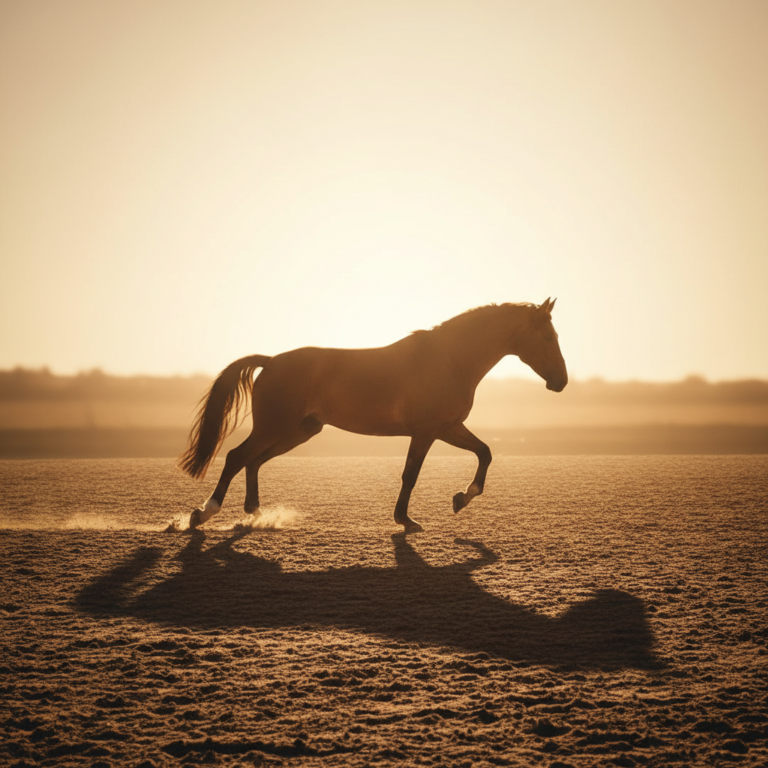

The Morgan Horse: America’s First Breed, A Legacy of Versatility and Heart
Are you tirelessly searching for that elusive equine partner a horse that combines breathtaking beauty with an unflappable temperament, robust health with a keen intellect, and the athletic prowess to excel in *any* discipline you choose? Many horse enthusiasts embark on a journey filled with compromise, often finding breeds that specialize in one area but fall short in others. They discover stunning show horses too delicate for trail rides, dependable workhorses lacking refinement, or spirited athletes too challenging for the family. The dream of a truly all-encompassing horse, capable of transitioning seamlessly from the show ring to the rugged trail, from a child’s gentle mount to an adult’s competitive partner, often feels just out of reach.
Imagine, then, a horse that embodies the spirit of American ingenuity and resilience a breed renowned for its strength, beauty, and unwavering loyalty. This isn’t a mythical creature; it’s the Morgan horse, America’s very first breed, whose rich history is woven into the fabric of the nation. From humble beginnings, this remarkable equine has captivated hearts and excelled in virtually every equestrian discipline imaginable. This article will delve into the profound legacy of the Morgan horse, exploring its unique origins, distinctive physical and temperamental traits, incredible versatility, and essential care requirements, revealing why it remains a beloved companion and athletic partner for countless enthusiasts worldwide.
Table of Contents
1. The Morgan Horse: An American Icon – Origin and Heritage
The story of the Morgan horse begins with a single, extraordinary stallion, laying the foundation for a breed that would become synonymous with American equestrian excellence. It’s a tale of remarkable genetics, enduring hardiness, and the burgeoning spirit of a young nation.
1.1 The Founding Sire: Justin Morgan’s “Figure”
The legendary narrative of the Morgan horse traces back to a small bay stallion named “Figure,” foaled in West Springfield, Massachusetts, in 1789. This unassuming colt came into the possession of Justin Morgan, a schoolteacher and composer living in Randolph, Vermont, around 1792. While Figure’s exact parentage remains a subject of historical debate, his intrinsic qualities were undeniable. Despite his compact size standing around 14 hands Figure possessed phenomenal strength, incredible stamina, and a work ethic that surpassed horses twice his size. He was renowned for winning plowing contests, pulling heavy logs, excelling in racing, and proving an unmatched saddle horse.
Crucially, Figure was also prepotent as a sire, meaning he consistently passed his most desirable traits his distinctive conformation, willing temperament, and impressive athleticism to his offspring. His sons and daughters were immediately recognizable, embodying his strength, elegance, and hardy disposition, thus establishing a distinct and highly sought-after type.
1.2 Early Development and Proliferation
Through Figure’s renowned sons Sherman Morgan, Bulrush Morgan, and Woodbury Morgan the breed rapidly established itself in the rugged New England landscape during the late 18th and early 19th centuries. The Morgan horse quickly became the quintessential all-purpose horse for pioneer families. They plowed fields, hauled goods to market, pulled elegant carriages, served as dependable mounts for travel, and were even used in logging operations. Their remarkable versatility and tireless work ethic made them indispensable.
The early breeders, often practical New England farmers, focused on perpetuating Figure’s inherent qualities: hardiness, a kind disposition, soundness, and an ability to thrive on minimal feed. These traits ensured the breed’s survival and allowed it to flourish, adapting to the diverse needs of a developing America.
1.3 The Morgan’s Role in American History
The influence of the Morgan horse stretches deep into American history. As the young nation expanded westward, Morgans were instrumental in agriculture, transportation, and settlement, carrying pioneers and their goods across vast distances. Their hardiness and courage made them ideal cavalry mounts, notably during the American Civil War, where they served with distinction under generals like Sheridan. Their ability to cover ground quickly, endure long marches, and remain composed under fire made them invaluable to both Union and Confederate forces.
Beyond their direct utility, Morgans also played a significant role in shaping other American horse breeds. Their genes contributed to the development of the Standardbred, influencing its trotting ability; to the American Quarter Horse, enhancing its muscular build; and to the Tennessee Walking Horse, lending to its unique gaits. As the nation industrialized and equestrian pursuits shifted from pure utility to pleasure and sport, the Morgan horse seamlessly transitioned, demonstrating its innate adaptability and securing its place as a beloved companion and athletic partner.
1.4 Preserving the Legacy: Registries and Associations
By the late 19th century, with the rise of distinct breed registries, efforts began to formally preserve the Morgan horse and its unique genetic heritage. In 1909, the U.S. Department of Agriculture established the U.S. Morgan Horse Farm in Weybridge, Vermont, recognizing the breed’s historical and genetic importance. This led to the formation of the American Morgan Horse Association (AMHA) in 1909, dedicated to maintaining the official registry, documenting bloodlines, and upholding strict breeding standards.
The AMHA ensures the integrity and genetic diversity of the breed, promoting the Morgan horse through shows, events, and educational initiatives. Their meticulous record-keeping safeguards the lineage, allowing future generations to appreciate and continue the legacy of Figure’s extraordinary offspring. But how have these historical foundations translated into the unique physical and mental characteristics that define the Morgan horse we see today?
2. Distinctive Traits: Physicality and Temperament of the Morgan Horse
What sets the Morgan horse apart is not just its history, but its distinctive conformation and an intelligent, willing temperament that endears it to owners of all ages and experience levels. These traits are a direct inheritance from its founding sire and have been carefully preserved over centuries.

2.1 Conformation: A Picture of Strength and Refinement
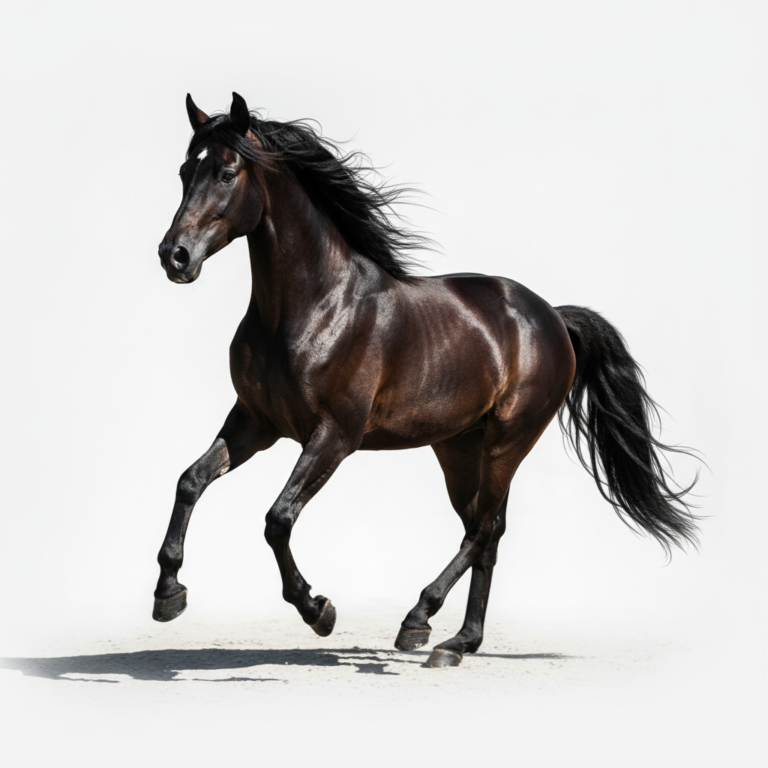
The Morgan horse possesses a distinctive, well-balanced conformation that exudes both strength and elegance. Typically standing between 14.1 and 15.2 hands high and weighing between 900 and 1100 pounds, they are compact and muscular, yet never coarse. Their build is characterized by a deep chest, well-sprung ribs, and a powerful, short back that contributes to their renowned soundness and endurance.
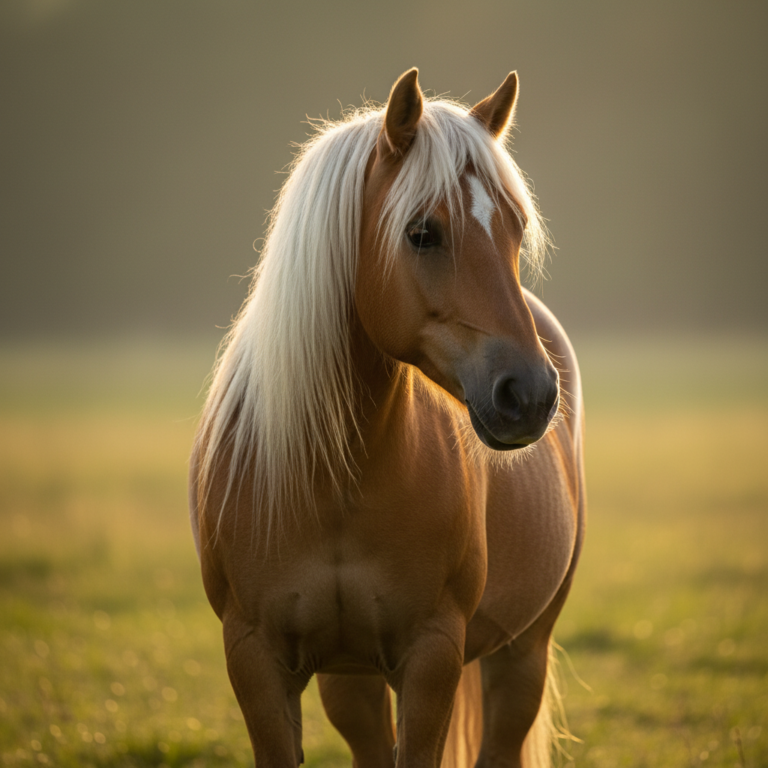
Their head is clean-cut with a broad forehead, prominent, expressive eyes, and small, alert ears. A defining feature is their strong, arched neck, set high and gracefully, leading to sloping shoulders. The hindquarters are muscular and powerful, providing the propulsion for their athletic gaits. Morgans have clean, strong legs with good bone, and incredibly hardy, sound hooves a testament to their robust constitution. Their high-set tail is typically carried proudly, adding to their overall picture of refinement and spirited presence. The breed comes in a variety of solid colors, including bay, black, chestnut, palomino, buckskin, and grey, all equally striking.
2.2 Signature Gaits and Movement
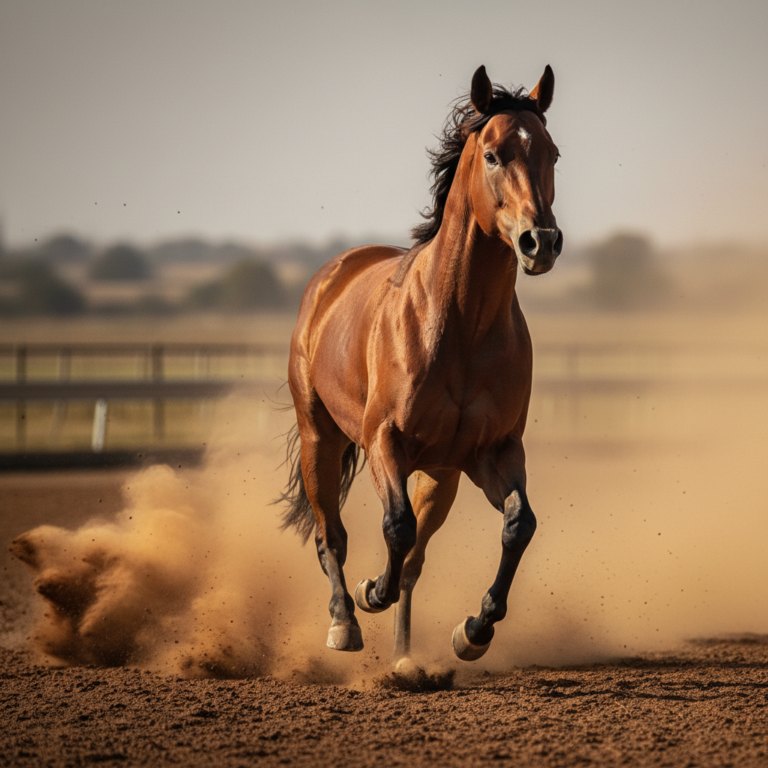
The movement of the Morgan horse is as distinctive as its appearance. They are known for their collected, animated, and elastic gaits: a ground-covering walk, an energetic and often high-stepping trot, and a smooth, balanced canter. The Morgan trot, in particular, is celebrated for its power, precision, and elegance, often showcasing a spirited knee and hock action without being exaggerated. This characteristic movement, combined with their upright carriage and proud head set, gives the breed a captivating presence in any arena.
Their inherent athleticism and agility allow them to navigate diverse terrains with ease and execute complex movements required in various equestrian disciplines. This natural ability to move with both power and grace is a hallmark of the breed and a key factor in their versatility. Their self-carriage and natural rhythm make them a joy to ride and watch.
2.3 Temperament: The “People Horse”
Perhaps the most cherished trait of the Morgan horse is its exceptional temperament. They are widely known as “people horses” due to their intelligent, willing, and affectionate nature. Morgans are quick learners, eager to please, and highly trainable, responding well to consistent and fair handling. Their courage and stamina are legendary, but these traits are balanced by a remarkable level of loyalty and a gentle disposition, particularly with children.
They possess an inherent sense of responsibility and trustworthiness, making them suitable for riders of all ages and experience levels, from novice youngsters to seasoned professionals. While they can be spirited and animated when asked to perform, they possess an innate calmness and patience that makes them reliable companions for trail riding, family activities, and even therapeutic programs. This unique blend of athleticism, intelligence, and affectionate loyalty forms the heart of the Morgan horse’s appeal. With such amazing traits, what exactly can a Morgan horse *do*? The answer lies in its unparalleled versatility across disciplines.
3. The Morgan Horse in Action: Unparalleled Versatility Across Disciplines
The Morgan horse’s “can-do” attitude and exceptional physical and mental attributes translate into unparalleled success across an astonishing array of equestrian disciplines. From the Western ranch to the English show ring, the Morgan truly is a horse for all seasons.

3.1 Western Disciplines
The inherent athleticism, agility, and willing temperament of the Morgan horse make it a natural fit for numerous Western disciplines. They excel in Western Pleasure, demonstrating their smooth gaits and comfortable ride. In Reining, their quick turns, stops, and spins showcase their impressive agility and responsiveness. Morgans are also increasingly seen in Western Dressage, where their collected movement and trainability shine.
Their historical role as working horses in New England has endowed them with a natural aptitude for cattle work, making them competitive in events like team penning, ranch sorting, and even cutting. Their surefootedness and stamina also make them ideal partners for extensive trail riding, easily navigating varied terrain and providing a comfortable, reliable mount for hours on end.
3.2 English Disciplines
The elegance and refined movement of the Morgan horse are equally at home in English disciplines. They are highly successful in Dressage, where their natural collection, balance, and eagerness to please allow them to master intricate movements and perform with grace and power. While perhaps not typically associated with Hunter/Jumper, many Morgans possess surprising scope and athleticism, clearing fences with ease and performing capably in hunter under saddle classes.
Perhaps one of the most iconic sights of the Morgan horse in the show ring is in Saddle Seat disciplines. Here, their proud carriage, high-set necks, and animated, high-stepping action are celebrated. Their athleticism and showy presence make them fierce competitors in park harness, pleasure driving, and equitation classes, where their manners and responsiveness are paramount. Morgans are also excellent equitation mounts, their honesty and rideability making them perfect for teaching riders proper form and technique.
3.3 Driving
Driving has always been a cornerstone of the Morgan horse’s legacy. From their early days pulling farm equipment and carriages, they have maintained their reputation as exceptional driving horses. Today, they are highly competitive in both pleasure driving and combined driving events. Their natural power, stamina, and steady temperament make them reliable and elegant partners for single or multiple-horse hitches. Whether navigating complex cones courses or undertaking marathon phases, the Morgan’s focus and determination are truly impressive.
3.4 Endurance and Trail Riding
The hardiness, surefootedness, and incredible stamina of the Morgan horse make them unparalleled partners for endurance and competitive trail riding. Bred to thrive in challenging conditions, they possess the physical and mental fortitude to cover long distances over rugged terrain. Their efficient metabolism, strong hooves, and calm demeanor ensure they can maintain performance while remaining sound and sensible, making them a favorite among serious trail riders and endurance competitors alike.
3.5 Youth and Family Horses
Beyond the competitive arena, the Morgan horse truly excels as a family companion. Their inherent patience, gentleness, and forgiving nature make them outstanding mounts for children and novice riders. They instill confidence and provide a safe, reliable partner for learning the ropes of horsemanship. Many youth participants find great success with Morgans in 4-H projects, showmanship, and youth equitation classes, benefiting from the breed’s trainability and willingness. They truly foster a lifelong love of horses.
3.6 Therapy and Service Work
The unique combination of intelligence, calm demeanor, and empathetic nature also makes the Morgan horse an exceptional candidate for therapeutic riding programs. Their steady presence and responsive nature provide invaluable support for individuals with physical, cognitive, or emotional challenges, offering comfort and connection. This highlights yet another facet of their incredible versatility and their profound ability to enrich human lives. Such a versatile partner deserves the best care to maintain its peak condition and longevity. What does that involve?
4. Caring for Your Morgan Horse: Health, Nutrition, and Training
The longevity and robust health of the Morgan horse are legendary, but even the hardiest breeds benefit from attentive care, proper nutrition, and consistent training. Understanding these fundamentals is key to a long, happy partnership.

4.1 General Health and Wellness
One of the most attractive attributes of the Morgan horse is its general hardiness and sound constitution. The breed is known for its resilience and typically fewer genetic predispositions to serious health issues compared to some other breeds. Nevertheless, routine veterinary care is paramount. This includes an annual check-up, appropriate vaccinations, regular deworming based on fecal egg counts, and semi-annual dental examinations and floats to ensure proper chewing and digestion.
Their strong, healthy hooves are a hallmark, but regular farrier visits every 6-8 weeks are essential to maintain proper hoof balance and health, whether shod or barefoot. While generally robust, like all horses, Morgans can be susceptible to common equine ailments such as colic or laminitis, so a vigilant eye for symptoms and proactive management practices (like controlled grazing and appropriate feed) are crucial. Providing ample turnout and regular exercise is vital not only for their physical fitness but also for their mental well-being, helping to prevent boredom and promote natural behaviors.
4.2 Nutrition: Fueling the Athlete and Companion
The Morgan horse is often described as an “easy keeper,” meaning they are highly efficient at utilizing their feed and can maintain good body condition on relatively less input than some other breeds. This trait, a legacy of their frugal New England origins, makes careful nutritional management important to prevent obesity.
The foundation of any Morgan’s diet should be high-quality forage pasture and/or hay. This provides the necessary fiber for digestive health. Depending on their workload, age, and individual metabolism, some Morgans may require a commercial grain concentrate or a balanced ration balancer to ensure they receive adequate vitamins, minerals, and protein. It’s crucial to avoid overfeeding and to monitor body condition regularly, adjusting feed as needed. Constant access to fresh, clean water is non-negotiable, as is a salt block or supplemental loose salt. Consulting with a veterinarian or equine nutritionist can help tailor a diet plan specific to your Morgan’s needs.
4.3 Training and Horsemanship
The intelligence and willingness of the Morgan horse make them highly trainable, but like any breed, they benefit immensely from consistent, fair, and positive reinforcement-based training. Starting with good groundwork and respectful handling from a young age lays the foundation for a well-behaved and cooperative partner.
Morgans thrive on variety in their training; incorporating different disciplines, trail rides, and exercises keeps them mentally engaged and prevents boredom. Their eager-to-please nature means they respond well to clear cues and praise. While many owners can train their Morgans effectively, seeking guidance from a skilled trainer experienced with the breed can be invaluable, especially when aiming for specific competitive disciplines. Developing a strong partnership built on trust, understanding, and mutual respect is the ultimate goal, unlocking the full potential of this remarkable breed. Now that you know the depth of the Morgan’s character and capabilities, are you ready to welcome this American treasure into your life?
The Enduring Allure of the Morgan Horse
From the humble Vermont farm where “Figure” first trod, the Morgan horse has galloped through American history, shaping the nation and leaving an indelible mark on the equestrian world. We’ve journeyed through its unique origins as America’s first true breed, discovered its distinctive blend of strength, refinement, and captivating movement, and explored the unparalleled versatility that allows it to excel in virtually every discipline imaginable. Its intelligent, willing, and affectionate temperament solidifies its reputation not just as an athlete, but as a cherished companion, equally at home in the show ring as it is patiently guiding a child on their first ride.
The Morgan horse is more than just a breed; it’s a testament to the enduring bond between humans and horses, a living legacy waiting to share its heart and spirit with you. For anyone seeking a partner capable of incredible feats, yet gentle enough to be a family friend, the Morgan horse stands as an emblem of American ingenuity and a true equine treasure, offering a lifetime of versatility, loyalty, and unwavering companionship.
📚 References
- Learn more about breed standards at the American Morgan Horse Association (AMHA).
- Detailed history of the breed’s origins via Encyclopaedia Britannica.
- Information on the preservation of the breed at the National Museum of the Morgan Horse.