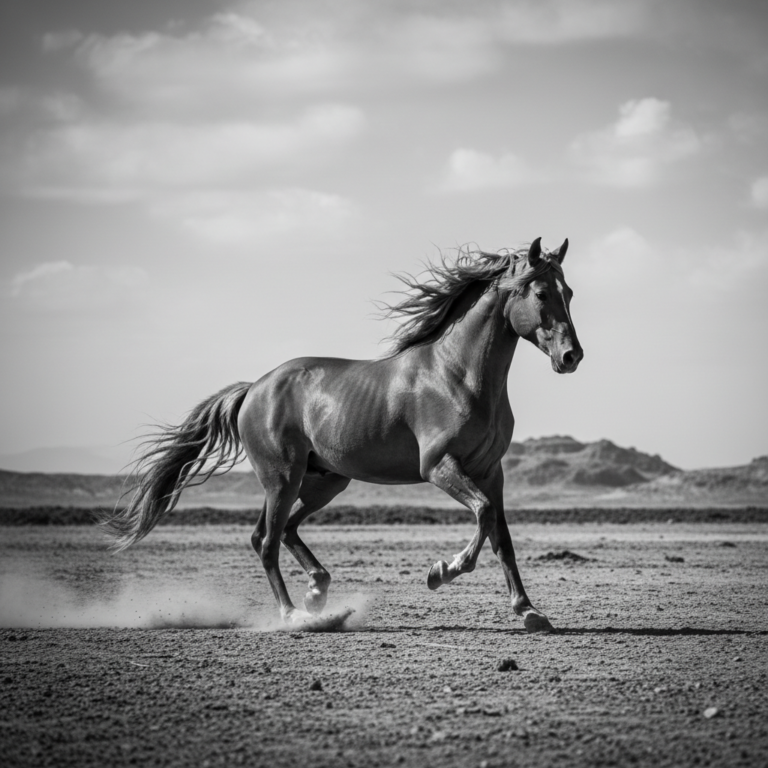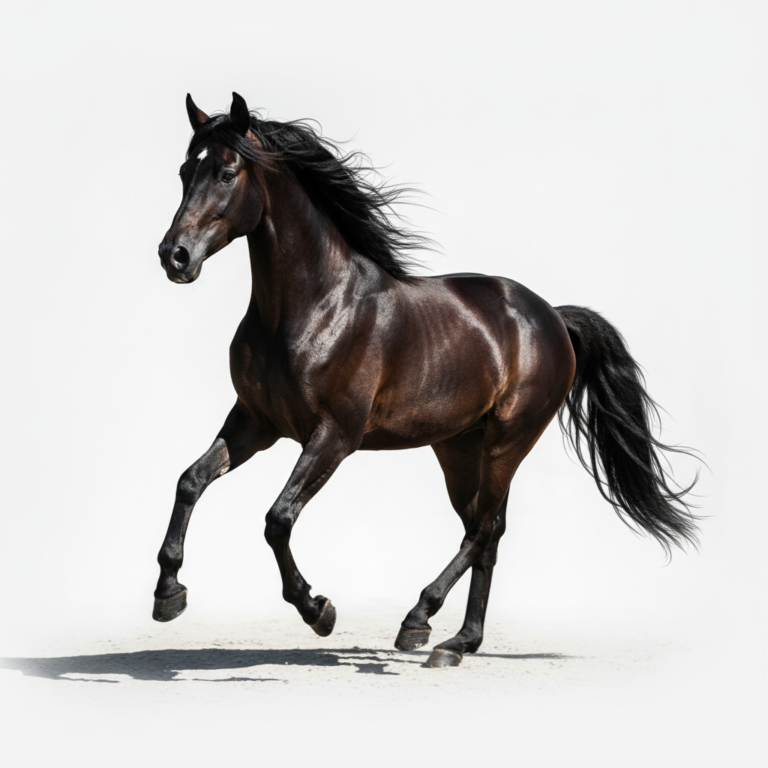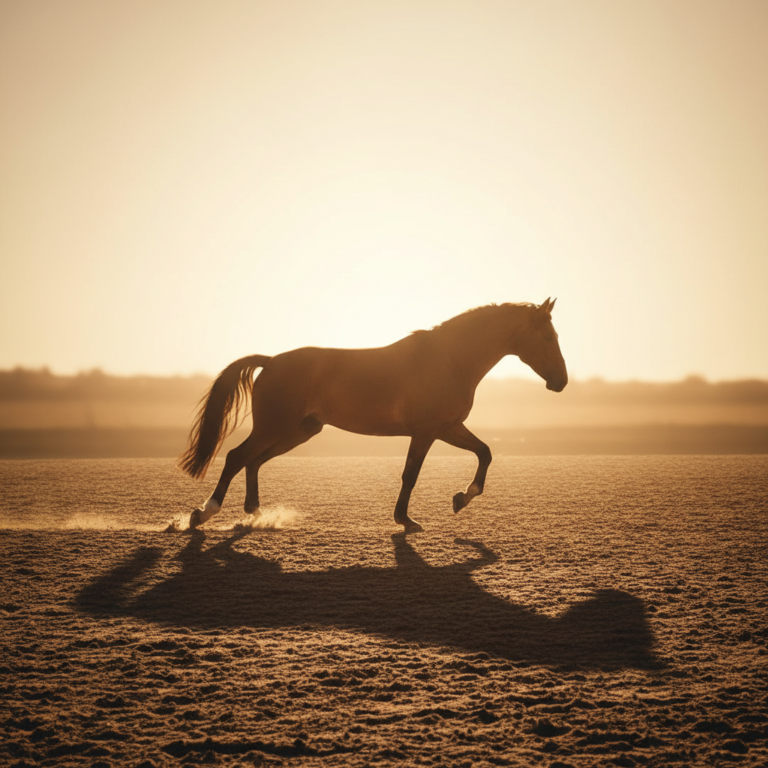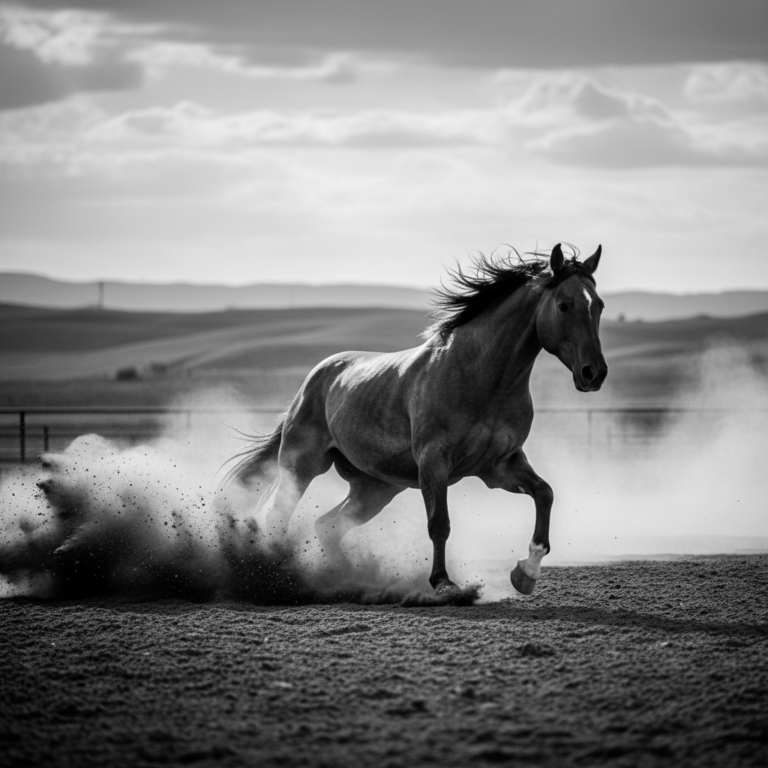

The Unrivaled Icelandic Horse: A Breed Apart
Table of Contents
A Legacy Forged in Fire and Ice
Once you encounter truly extraordinary animal breeds, your perception of the natural world shifts irrevocably. You start to see beyond the familiar, craving the stories of resilience, adaptation, and unique purpose that define these rare marvels. This journey of discovery often begins with a whisper of legend, a glimpse into an ancient world, and inevitably leads you to the Icelandic horse. A testament to survival, purity, and an unparalleled connection to its homeland, this breed is far more than just another equine; it is a living relic, a cultural cornerstone, and a partner forged in fire and ice.
The Icelandic horse stands as a prime example of an equine marvel that defies conventional understanding. From the moment its distinctive profile graces the stark, beautiful landscapes of Iceland, there’s an undeniable mystique. Its ancient lineage, tracing back to the Viking Age, hints at centuries of evolution under the most challenging conditions, culminating in a horse unlike any other. It’s a creature defined by both its unique physical attributes and its profound cultural imprint.
This article promises a deep dive into the extraordinary world of the Icelandic horse. We’ll unravel the mysteries behind its signature five gaits, explore its indispensable role in Icelandic history and folklore, and reveal the incredible hardiness that allows it to thrive where others would falter. We’ll also examine its growing global appeal and the dedicated efforts to preserve its purity. Prepare to embark on a journey that will forever change how you view the bond between humans, horses, and the rugged beauty of the natural world. How did such a distinctive breed come to embody the very spirit of a nation? Let’s find out.
The Legacy of the Icelandic Horse: Origins and Evolution
The story of the Icelandic horse is intrinsically woven into the fabric of Iceland itself, a saga of endurance, isolation, and profound adaptation. To understand this remarkable animal is to understand the forces that shaped it over a millennium.
Ancient Roots: Viking Companions
The saga of the Icelandic horse begins not with a whimper, but with the thunder of Viking longships hitting the shores of an untamed land. It was in the 9th and 10th centuries that Norse settlers, driven by exploration and a thirst for new horizons, brought their ponies to Iceland. These were the ancestors of today’s Icelandic horse, sturdy and resilient animals chosen for their ability to withstand arduous sea voyages and the harsh northern climates. Without these equine companions, the Vikings would have struggled to establish settlements, transport goods, or navigate the rugged terrain of their new home.
Upon arrival, these early horses faced an immediate and rigorous test. Iceland’s environment was, and remains, a land of extremes – volcanic landscapes, glaciers, fierce winds, and short, cool summers. Only the strongest, most adaptable animals could survive and reproduce. This period marked an intense process of natural selection, where horses with superior hardiness, intelligence, and survival instincts passed on their traits. This wasn’t a selective breeding program orchestrated by humans, but rather an unforgiving natural crucible that forged a foundation of unparalleled resilience. What measures were taken to ensure this purity remained untouched for centuries?
Centuries of Isolation: Purity and Resilience
The defining moment in the genetic purity of the Icelandic horse came surprisingly early in its history. Around 982 AD, the Althing, Iceland’s ancient parliament, enacted a law that forever changed the breed’s destiny: a complete ban on the importation of any horses to the island. This unprecedented decree was primarily a measure to prevent the introduction of diseases that could decimate the local population, but its long-term effect was far more profound. It created an isolated genetic pool, preserving the unique characteristics of the breed without external influence for over a thousand years.
This centuries-long isolation, combined with the island’s challenging environment, led to the development of the Icelandic horse’s incredibly robust constitution. They evolved a dense, thick winter coat capable of shedding snow and ice, a compact and muscular build, and strong bones perfectly suited to traversing rocky and uneven terrain. Their incredible stamina became legendary, allowing them to cover vast distances with ease, whether herding sheep or transporting goods across the unforgiving landscapes. This genetic purity, maintained through strict laws, ensured that every Icelandic horse today carries the ancient lineage of its Viking ancestors. But what truly sets these horses apart from all others, making them a global fascination?
Five Gaits, One Magnificent Horse: Unpacking Unique Characteristics
While their history and hardiness are remarkable, it is the Icelandic horse’s unique repertoire of movement that truly captivates equestrians worldwide. Unlike most horse breeds that possess three basic gaits (walk, trot, canter/gallop), the Icelandic horse is celebrated for its five distinct gaits, two of which are exclusive to this magnificent breed.
The Signature Gaits: Tölt and Flying Pace Explained
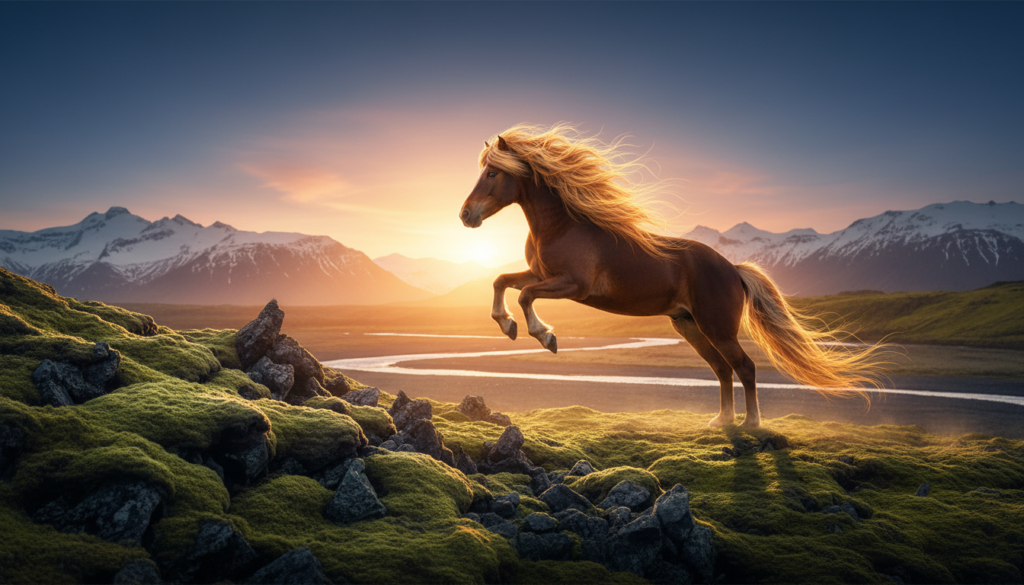
The Icelandic horse’s five gaits are its crowning glory, providing a versatility and comfort in riding that few other breeds can match. These unique gaits are not merely different ways of moving; they are ingrained parts of the breed’s identity and its functional purpose in its native land.
- The Tölt (Four-Beat Lateral Gait): This is arguably the most famous and beloved gait of the Icelandic horse. The Tölt is a smooth, fast, four-beat lateral gait, meaning the horse moves its legs on the same side of its body in sequence (left hind, left front, right hind, right front).
What sets it apart is the absence of suspension between beats; at least one foot is always on the ground, resulting in an exceptionally smooth and comfortable ride for the equestrian. Riders often describe the Tölt as feeling like floating, allowing them to carry a full glass of water without spilling a drop, even at high speeds.
This comfort was invaluable to early settlers for long journeys across rough terrain, enabling them to cover ground quickly without fatigue. It requires a specific balance and collection from the horse, often cultivated through careful training.
- The Flying Pace (Skeið): Also known as Skeið in Icelandic, the Flying Pace is a high-speed, two-beat lateral gait where both legs on the same side of the horse move forward simultaneously, followed by a moment of suspension.
This gait is incredibly powerful and fast, akin to a burst of pure equine speed. It’s an inherited trait, not all Icelandic horses possess the ability to perform a clean Flying Pace, and it requires significant skill from both horse and rider.
Due to its intensity and the high energy required, it’s typically reserved for experienced riders and competitive events, often seen in racing where horses thunder across a track, demonstrating breathtaking power and agility. The Flying Pace is the ultimate display of the Icelandic horse’s athletic prowess and natural talent.
The Standard Gaits: Walk, Trot, Canter/Gallop
Beyond their signature movements, Icelandic horses also perform the universal gaits with grace and efficiency, demonstrating their comprehensive versatility.
* Foundation Movement: Like all horses, Icelandic horses possess a walk (a four-beat lateral gait), a trot (a two-beat diagonal gait with a moment of suspension), and a canter or gallop (a three-beat and four-beat gait, respectively). These gaits serve as the foundation of their movement, used for everyday travel, exercise, and leisure.
* Versatility in Movement: The ability to seamlessly transition between all five gaits highlights the breed’s incredible versatility. A rider can enjoy a comfortable Tölt on a long trail, engage a powerful Flying Pace for a thrilling sprint, or settle into a steady trot or canter for different types of work or pleasure riding. This complete repertoire of movement makes the Icelandic horse adaptable to a wide array of equestrian activities, from leisurely hacks to competitive sport.
Hardiness and Adaptability: Built for the Arctic
The Icelandic horse’s physical and mental fortitude are legendary, forged by centuries of natural selection in one of the planet’s most challenging environments.
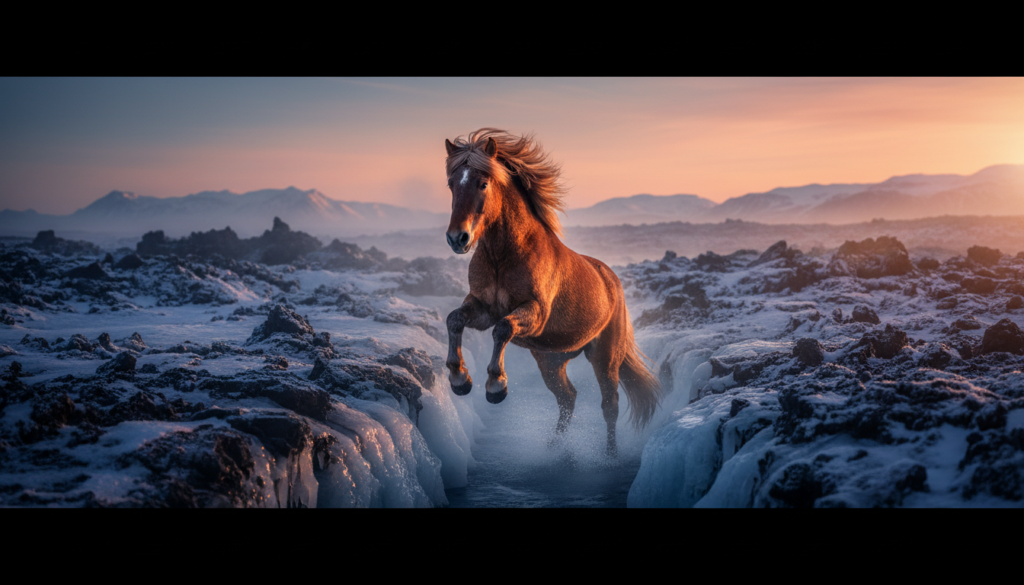
* Physical Traits: These horses are characterized by their strong, dense bones, compact and muscular build, and exceptionally sturdy hooves. Their dense double-layered coat provides remarkable insulation against extreme cold, growing incredibly thick in winter and shedding to a sleek summer coat. Despite their relatively small stature (typically 13 to 14 hands high), they are powerful and able to carry adult riders with ease. Their short, strong legs, and broad backs are perfectly designed for stability and strength on rugged, uneven terrain.
* Mental Fortitude: Beyond their physical robustness, Icelandic horses possess a remarkable mental fortitude. They are known for their fearless yet friendly nature, rarely spooking and exhibiting a calm demeanor even in challenging situations. This resilience, combined with their sharp intelligence, makes them ideal companions for exploring difficult landscapes, facing inclement weather, or navigating novel situations. Their self-sufficiency and hardiness are deeply ingrained, allowing them to thrive in varied climates and environments, though their heart will always belong to the stark beauty of Iceland. But how did such an isolated breed become a living symbol of its nation?
A Pillar of Icelandic Culture and Tourism
The Icelandic horse is more than just an animal; it is an intrinsic part of Iceland’s national identity, deeply ingrained in its history, folklore, and modern economy. Its significance extends far beyond its utility, touching the very soul of the island nation.
Myth and Folklore: Cultural Significance
The connection between the Icelandic people and their horses is ancient and profound, predating the written word.
* Deep-Rooted Connection: From the earliest sagas of the Viking age, the Icelandic horse features prominently as a loyal companion, a symbol of status, and an indispensable partner in war and peace. They are depicted in ancient poetry and folklore, often possessing mystical qualities or serving as mounts for gods and heroes. This deep-rooted connection means that the horse is not just livestock but a venerated member of the Icelandic family, a living link to the nation’s past.
* National Symbol: The Icelandic horse embodies the spirit and resilience of Iceland itself. Like the people, they are tough, resourceful, and capable of enduring incredible hardships while maintaining a gentle and independent spirit. They represent freedom, strength, and the untamed beauty of the Icelandic landscape, serving as a powerful national symbol that resonates with both locals and visitors.
Equestrian Tourism: Experiencing Iceland on Horseback
For many, the ultimate way to experience Iceland’s breathtaking natural beauty is from the back of an Icelandic horse. Equestrian tourism has become a cornerstone of the island’s visitor economy.
* Unique Riding Tours: Multi-day riding tours are incredibly popular, allowing riders to traverse vast, untouched landscapes – volcanic deserts, lush valleys, river crossings, and black sand beaches – all while experiencing the comfortable Tölt. These tours offer an immersive way to connect with the land, guided by experienced locals who share insights into the country’s history and the horses themselves. It’s an adventure that combines physical activity with cultural immersion, creating unforgettable memories.
* Therapeutic and Adventurous: The appeal is broad. For casual tourists, it’s a unique adventure, a chance to see Iceland from a different perspective, engaging with the serene beauty of nature. For serious riders, it’s an opportunity to experience a truly distinctive equestrian discipline and form a special bond with a highly intelligent and willing mount. The gentle nature of the Icelandic horse also makes it suitable for therapeutic riding, offering comfort and connection to individuals of all abilities.
Conservation and Community: Protecting the Breed
The reverence for the Icelandic horse is matched by a global dedication to its preservation and welfare.
* Strict Regulations: The ancient Althing law banning horse imports remains strictly enforced today, ensuring the genetic purity of the breed. Furthermore, any Icelandic horse that leaves the island is prohibited from returning, safeguarding the population against disease and genetic contamination. These strict regulations are a testament to the community’s commitment to protecting this unique heritage.
* Breeding Programs and Societies: Beyond Iceland, international societies and breeding programs work diligently to promote and preserve the breed. Organizations like FEIF (the International Federation of Icelandic Horse Associations) establish clear breeding goals, competition rules, and educational standards to ensure the health, characteristics, and welfare of Icelandic horses worldwide. This collaborative effort ensures that the legacy of the Icelandic horse will continue for generations to come. What unique demands does owning such a specialized, yet robust, breed entail?
Understanding the Icelandic Horse: Temperament and Care
While the Icelandic horse is celebrated for its distinctive gaits and hardiness, its temperament and general care requirements are equally compelling aspects that contribute to its widespread appeal. They are not merely work animals; they are cherished companions.
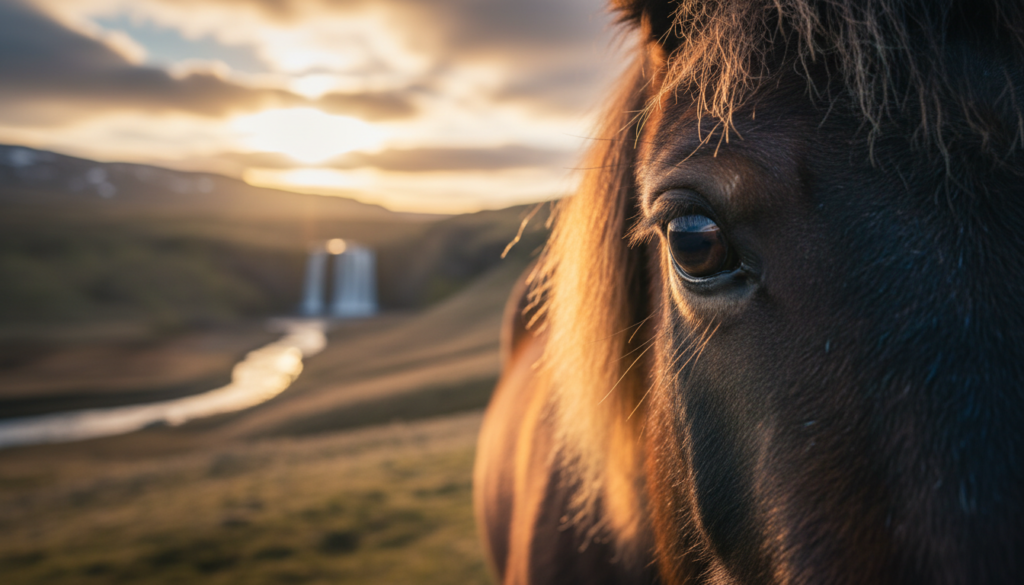
The Gentle Giant: A Friendly and Willing Partner
The phrase “gentle giant” might typically refer to larger breeds, but it perfectly encapsulates the spirit of the Icelandic horse, despite its smaller stature.
* Temperament: Renowned for their friendly, intelligent, and docile nature, Icelandic horses possess a remarkable blend of courage and calm. They are typically even-tempered, curious, and enjoy human interaction. This makes them exceptionally suitable for riders of all ages and skill levels, from young children to experienced adults. Their inherent good nature makes them popular family horses and reliable mounts for trail riding and competitive events alike. They rarely exhibit aggressive behavior and are known for their willingness to please.
* Trainability: Icelandic horses are quick learners and possess a high degree of intelligence, making them highly trainable. They respond well to consistent, kind training methods and are eager to engage with their riders. Their ability to master complex gaits and diverse disciplines speaks volumes about their mental acuity and cooperative spirit. This trainability, coupled with their calm demeanor, contributes significantly to the deep bonds owners form with their Icelandic horses.
Health and Longevity: A Robust Breed
Centuries of natural selection and isolated breeding have endowed the Icelandic horse with exceptional health and impressive longevity.
* General Health: Compared to many other horse breeds, Icelandic horses are known for their strong constitution and fewer genetic predispositions to common equine ailments. They are naturally robust, resilient to varying climates, and possess strong immune systems. This often translates into lower veterinary costs and fewer health concerns throughout their lives, making them a practical choice for horse owners.
* Lifespan: It’s not uncommon for Icelandic horses to live well into their late 20s and even into their 30s, remaining active and sound long after many other breeds have retired. Their impressive longevity allows owners to enjoy many years of companionship and riding with their trusted partners, making the investment in an Icelandic horse a truly long-term commitment.
Specialized Care: Grooming, Diet, and Environment
Despite their hardiness, Icelandic horses benefit from care that understands their unique evolutionary path and distinct needs.
* Adaptable Needs: Their diet is typically straightforward, suited to their hardy nature. They generally thrive on good quality hay and pasture, with supplemental feed only necessary for specific workloads or to address individual nutritional needs. They are efficient grazers and tend to maintain weight easily, a trait developed from surviving on sparse resources.
* Hoof Care: Given their evolution on volcanic rock and varied terrain, Icelandic horses possess exceptionally strong hooves. While they can be ridden unshod in many environments, regular professional hoof care is still essential. Depending on the terrain and intensity of work, shoeing may be necessary to protect their feet, though many owners prefer to keep them barefoot. Specific attention is given to balance and angle to support their unique gaits.
* Environmental Needs: Though they are incredibly adaptable, Icelandic horses flourish when given ample turnout and access to varied terrain. Their thick winter coats mean they are highly tolerant of cold weather and often prefer to be outside, even in snow, provided they have shelter from wind and extreme precipitation. Conversely, in hotter climates, they require adequate shade and hydration to prevent overheating, especially when their heavy coats come in during winter. Understanding these nuanced needs ensures they thrive in whatever environment they call home. But how has a breed so tied to its remote island home managed to capture the hearts of horse enthusiasts across the globe?
The Global Allure: Why the Icelandic Horse is Cherished Worldwide
What began as a foundational element of Icelandic survival has blossomed into a global phenomenon, with the Icelandic horse captivating hearts and minds far beyond its island origins. Its unique traits and endearing temperament have propelled it onto the international stage, making it a beloved companion and a sought-after competitor.
Beyond Iceland: International Popularity and Breeding
The allure of the Icelandic horse has proven to be irresistible, leading to a significant expansion of its presence worldwide.
* Expanding Footprint: While Iceland remains the spiritual home, the Icelandic horse now has a substantial and growing footprint across Europe, North America, and beyond. Germany, Sweden, and the United States, in particular, boast large and active populations of Icelandic horses. Dedicated breeders and enthusiasts in these countries work tirelessly to maintain the breed’s standards, ensuring its health and purity continue to thrive internationally.
* International Competitions: The unique gaits of the Icelandic horse have given rise to a vibrant and exciting competitive scene. International competitions, often governed by FEIF, feature events specifically designed to showcase the Tölt and Flying Pace, as well as general riding ability. These shows draw competitors and spectators from around the world, celebrating the athleticism and beauty of these horses. The increasing interest in gaited horse shows highlights the growing recognition of the Icelandic horse’s distinctive talents.
Versatility in Sport and Leisure: From Trails to Arena
The Icelandic horse’s inherent versatility allows it to excel in a wide array of disciplines, making it a truly multi-purpose equine partner.
* Diverse Applications: Whether navigating rugged trails, competing in precision dressage, enduring long-distance rides, or providing solace in therapeutic settings, the Icelandic horse demonstrates remarkable adaptability. Their surefootedness and calm demeanor make them exceptional trail horses, capable of handling challenging terrains with confidence. Their precise gaits and intelligent minds allow them to shine in competitive settings, while their gentle nature makes them ideal for riders seeking a safe and reliable mount.
* Family Horse: Perhaps one of their most cherished roles is that of a beloved family horse. Their temperament, combined with their comfortable gaits, makes them suitable for riders of all ages and experience levels within a single family. They build strong bonds with their human companions, offering not just a ride, but a true partnership, making them an integral part of many households.
A Lifelong Companion: The Joys of Ownership
Owning an Icelandic horse is often described as a profoundly enriching experience, offering a unique bond that goes beyond typical pet ownership.
* Unique Bond: Owners frequently speak of the deep connection they form with these intelligent and willing animals. Their personality, curiosity, and eagerness to please foster a special relationship, making them more than just a mount; they become a true friend and confidante. This unique bond is a significant reason why many owners become lifelong advocates for the breed.
* Investment in Experience: Investing in an Icelandic horse is an investment not just in an animal, but in a lifestyle. It’s an entry into a passionate community, an opportunity to explore diverse equestrian activities, and the promise of years of rewarding companionship. Their longevity ensures many adventures together, making ownership a truly fulfilling journey. Ready to bring the magic of the Icelandic horse into your life?
The Enduring Magic of the Icelandic Horse
From the windswept plains of Iceland to equestrian arenas across the globe, the Icelandic horse stands as an unparalleled marvel of the equine world. Its story is one of profound resilience, a testament to natural selection and unwavering human dedication. We’ve journeyed through its ancient Viking roots, witnessed the purity preserved by centuries of isolation, and marveled at its signature five gaits – the incredibly smooth Tölt and the exhilarating Flying Pace – that set it distinctly apart.
More than just a unique breed, the Icelandic horse is a living bridge between worlds. It’s a powerful link to ancient Norse history, galloping through sagas and embodying the indomitable spirit of the Icelandic nation. Simultaneously, it’s a modern marvel, cherished globally for its hardiness, versatility, and wonderfully docile yet courageous temperament. Its robust health, impressive longevity, and adaptability make it a cherished companion, whether on a rugged trail or in a competitive arena.
Whether you are an equestrian enthusiast seeking a unique riding experience, a travel planner dreaming of an extraordinary adventure, or simply an animal lover captivated by distinct breeds, the Icelandic horse offers an invitation. An invitation to explore, to connect, and to appreciate a creature that truly is a breed apart. Seek out an opportunity to ride, to learn, or simply to observe this extraordinary animal; its enduring magic promises to leave an indelible mark on your heart.
📚 References
- Explore official breed standards and global news at the International Federation of Icelandic Horse Associations (FEIF).
- Learn about the breed’s history and preservation through the Horses of Iceland official portal.
- Detailed registry and competition information via the United States Icelandic Horse Congress (USIHC).