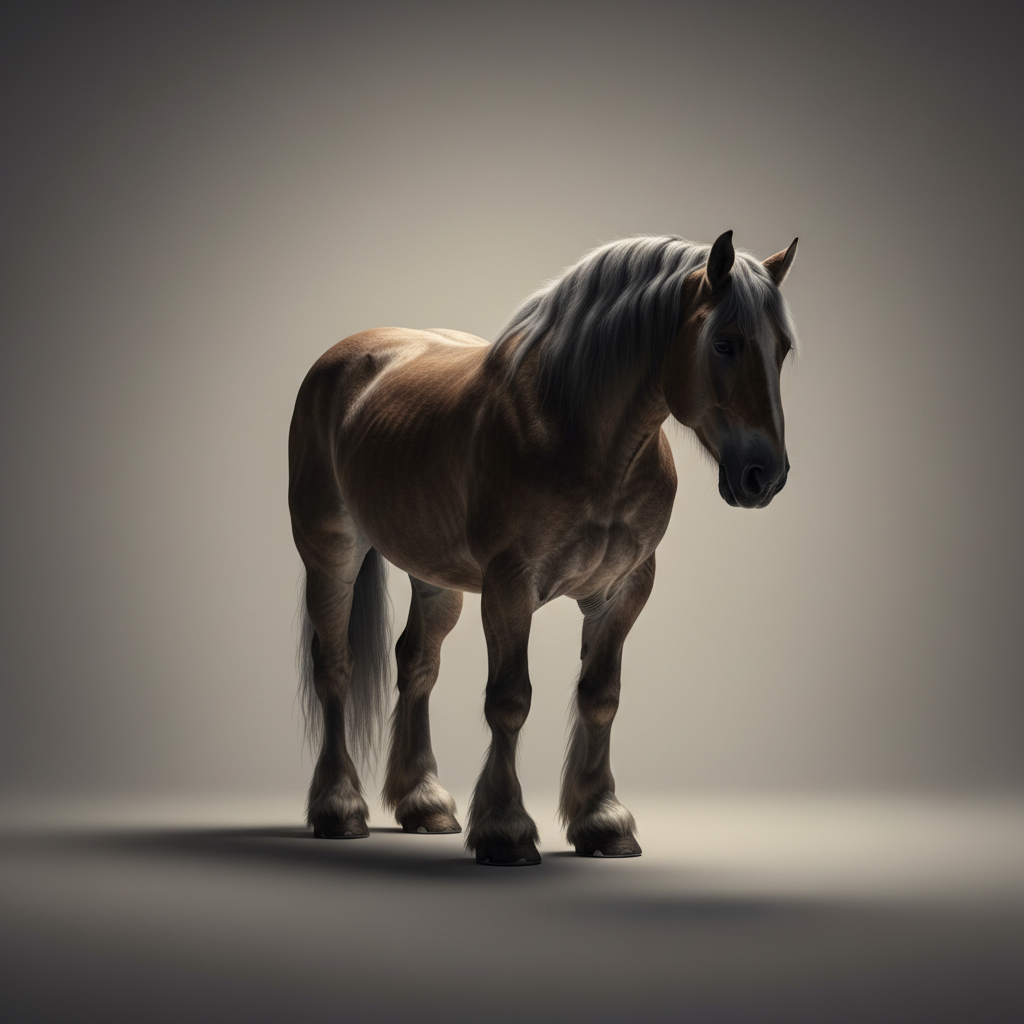
Draft Horse Breeds List: Unveiling the Majestic World of Heavy Horse Breeds and Types
Table of Contents
The Gentle Giants That Shaped Our World
Have you ever considered how profoundly different our world would be without the sheer, unadulterated power of the draft horse?
Without these magnificent creatures, the very foundations of our civilization—agriculture, industry, and even our ability to traverse vast distances—would have crumbled under the weight of manual labor.
For centuries, the magnificent animals we know as Draft Horse Breeds were the backbone of progress, pulling plows, hauling goods, and literally building the world we inhabit.
These “heavy horse breeds” are more than just large animals; they are living symbols of power, endurance, and remarkable docility.
This comprehensive Draft Horse Breeds list will take you on an illuminating journey through the most significant “types of draft horses” that have left an indelible mark on history and continue to captivate enthusiasts today.
Prepare to be amazed by the unique characteristics, profound historical roles, and surprising modern applications of these gentle giants.
What are Draft Horses? Defining the Equestrian Powerhouses
At their core, Draft Horse Breeds are purpose-bred equines specifically developed for their immense strength and capacity to pull heavy loads.
Unlike their lighter counterparts, such as Thoroughbreds or Arabians, these Draft Horse Breeds possess a distinct physicality tailored for rigorous work.
Their fundamental definition lies in their impressive physical characteristics: an immense size, a powerfully muscular build, and a robust bone structure that supports their formidable frames.
Generally standing between 16 and 19 hands (64-76 inches) tall at the shoulder and often weighing well over 1,500 pounds, some individuals can tip the scales at more than 2,200 pounds, making them true behemoths of the equine world.
Beyond their physical prowess, Draft Horse Breeds are renowned for an inherent temperament that is often described as calm, patient, and willing.
This placid disposition, coupled with their sheer strength, made them indispensable as working animals across the globe.
Their historical purpose was clear and vital: pulling heavy farm implements like plows and cultivators, logging vast forests, transporting goods and people over long distances, and powering early industrial machinery.
They were the original horsepower, a testament to nature’s engineering and humanity’s selective breeding.
But what specific traits unite these colossal equines, setting them apart from all others?
The Giants Among Equines: Common Traits of Heavy Horse Breeds
While each draft horse breed boasts its own unique flair and genetic heritage, there are several shared traits that unite these formidable animals under the banner of Draft Horse Breeds. These characteristics are not merely aesthetic; they are functional adaptations that underscore their purpose as powerful working animals.
* Size and Stature: The most immediate and striking commonality is their sheer scale. Draft Horse Breeds are among the largest equines on the planet, with many individuals routinely exceeding 16 hands (64 inches at the wither) and some reaching over 19 hands. Their immense height is matched by their considerable weight, with mature adults often weighing well over 1,800 pounds and some, like the Shire, frequently surpassing 2,200 pounds. This colossal stature provides the leverage and mass necessary for their pulling power.
* Musculature and Build: Their physique is a testament to their strength. Draft horses possess exceptionally powerful shoulders, broad backs, and deep, muscular hindquarters. This robust, compact, and deep-chested build is specifically designed for immense pulling power and sustained effort. Every inch of their musculature speaks to why Draft Horse Breeds can move substantial weight with ease.
* Temperament: Perhaps their most endearing trait is their renowned ‘gentle giant’ disposition. Despite their imposing size, these horses are overwhelmingly known for their patience, docility, and trainability. This calm and willing nature makes them surprisingly manageable and safe, even for inexperienced handlers, contributing to their versatility beyond heavy labor. Their unflappable temperament is a key reason they are valued not just as workhorses but also as pleasure animals and therapy animals.
* Leg Feathering: A distinctive characteristic common in many, though not all, heavy horse breeds is the presence of “feathering.” This refers to the long, silky hair that grows on their lower legs, particularly around the fetlocks. While adding to their majestic appearance, feathering historically served a practical purpose, helping to protect their legs from mud, moisture, and debris during farm work.
* Hoof Size: Commensurate with their massive bodies, draft horses possess large, robust hooves. These broad, strong hooves are built for maximum traction and stability, providing a solid foundation for propelling their enormous bodies and the heavy loads they pull across varied terrains. The size and quality of their hooves are crucial to their overall soundness and working longevity.
While these shared characteristics define them, the true wonder lies in the distinct personalities, histories, and specialized developments of individual breeds. Which of these magnificent “types of draft horses” will capture your imagination first?
A Comprehensive Draft Horse Breeds List: Exploring the Types of Draft Horses
This is the core of our exploration, presenting a detailed Draft Horse Breeds list of the most popular and historically significant “types of draft horses.” Each of these breeds tells a unique story of adaptation, purpose, and enduring partnership with humankind.
Clydesdale: The Scottish Icon of Grace and Power
The Clydesdale is arguably one of the most recognizable “heavy horse breeds,” largely due to its prominent role in advertising.

* Origin and History: Hailing from the Clyde Valley in Lanarkshire, Scotland, the Clydesdale was developed in the mid-18th century for agricultural work, particularly hauling heavy loads of coal in mining regions and supplies to and from ports. They were refined by crossing local mares with larger Flemish stallions, focusing on strength, stamina, and an impressive presence.
* Characteristics: Clydesdales are renowned for their distinctive appearance, often featuring striking white feathering on their lower legs, extensive white blazes, and four white socks. While bay and brown are common, Draft Horse Breeds like the Clydesdale can also be black, roan, and chestnut are also seen. They typically stand between 16 to 18 hands high and weigh 1,800 to 2,200 pounds. They possess a high-stepping gait, a deep, powerful body, and an active, intelligent temperament.
* Historical Uses: Beyond farm work and coal hauling, Clydesdales were extensively used for logging, urban drayage (delivering goods), and pulling heavy machinery. Their powerful build and impressive stride made them ideal for demanding tasks.
* Modern Applications: Today, Clydesdales are highly sought after for hitches, most famously the Budweiser Clydesdales, where their coordinated high-stepping gait and majestic appearance create a breathtaking spectacle. They are also popular in parades, pleasure driving, show competitions, and even light farm work or recreational riding.
Shire: Britain’s Largest and Most Majestic Heavy Horse
The Shire holds the impressive distinction of being the tallest and, in terms of average weight, often the largest of all draft horse breeds.

* Origin and History: Developed in England, the Shire’s lineage can be traced back to the ‘Great Horse’ of medieval times, which carried knights in heavy armor. Over centuries, these powerful warhorses were refined and selectively bred for heavy hauling and agricultural work, particularly in the fertile Fens of eastern England. The official name “Shire Horse” emerged in the late 19th century.
* Characteristics: Shires are exceptionally tall, often standing over 17 hands, with some individuals reaching over 19 hands. They are characterized by immense strength, a powerful, deep body, and extensive feathering on their lower legs, which is often very thick and wavy. The predominant colors are black, bay, or grey, often with significant white markings. They possess a calm, docile, and resolute temperament.
* Historical Uses: Historically, Shires were indispensable for all forms of agricultural work, from plowing to harvesting. Their strength made them the preferred choice among Draft Horse Breeds for drayage and pulling brewer’s drays, wagons, and canal boats, playing a crucial role in Britain’s industrial and commercial development.
* Modern Applications: While still used for logging and some sustainable farming practices, Shires are primarily seen in showing, promotional work, and pleasure riding and driving. Their majestic presence makes them favorites in parades and historical reenactments.
Belgian Draft: The World’s Strongest Draft Horse
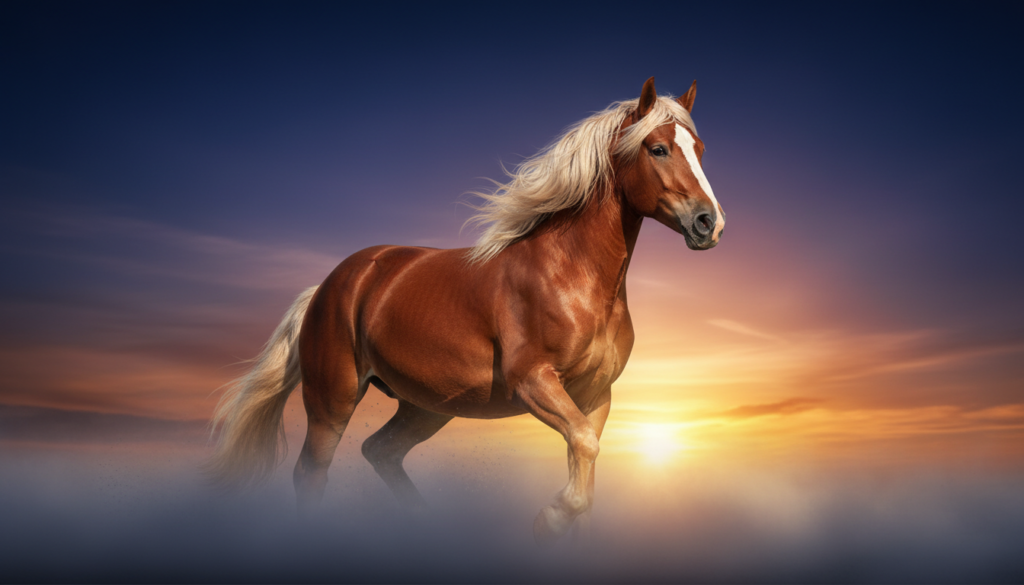
Often recognized by its striking chestnut color and flaxen mane, The Belgian Draft is a powerhouse of raw strength among all Draft Horse Breeds.
* Origin and History: The Belgian Draft originates from Belgium and is one of the oldest and purest heavy horse breeds in the world, tracing its ancestry back to the “great horse” of Flanders. For centuries, it was bred specifically for immense power to work the rich agricultural lands of Belgium, making it a cornerstone of European farming.
* Characteristics: Belgians are known for their compact, extremely muscular build, which gives them their unparalleled pulling power. They typically stand between 16 and 17 hands high and weigh between 1,800 and 2,200 pounds, but their sheer mass and bulk are often even more impressive than their height. The most common color is chestnut (often called “sorrel” in the US) with a flaxen mane and tail, though roan, bay, and black also occur. They have a calm, tractable, and incredibly gentle temperament, defying their massive strength.
* Historical Uses: Primarily agricultural work was the Belgian’s domain, plowing vast fields and hauling heavy farm machinery. They were also utilized by armies for pulling artillery and supply wagons due to their immense strength and stamina.
* Modern Applications: Today, Belgians remain a popular choice for farm work, particularly on smaller, sustainable farms. They excel in pulling competitions, where their raw strength is showcased. They are also used for recreational driving, logging, and in some regions, are still valued for meat production, though this is less common in Western cultures focused on equine companionship.
Percheron: French Elegance, Versatility, and Strength
The Percheron stands out among “heavy horse breeds” for its unique blend of power and refined elegance.
* Origin and History: The Percheron originates from the La Perche region of France. Its development was significantly influenced by Arabian horses introduced during the Moorish invasions and Crusades, giving it a more refined appearance and agility compared to other draft breeds. They were initially bred as warhorses, then evolved into versatile carriage and farm horses.
* Characteristics: Percherons typically range from 15.2 to 17 hands high and weigh between 1,800 and 2,100 pounds. They are known for their clean lines, absence of heavy feathering (or very minimal), and an active, intelligent, and docile temperament. The most common coat colors are grey or black, and they often possess a distinctive strong, broad forehead and expressive eyes. Their trot is often described as energetic and ground-covering.
* Historical Uses: Due to their Arabian influence, Percherons were highly valued as warhorses and, later, as swift stagecoach horses. Their versatility also made them excellent farm horses and ideal for pulling heavy omnibuses in bustling European cities.
* Modern Applications: Today, Percherons are among the most versatile Draft Horse Breeds, used for both riding and logging, pleasure driving, and showing in various disciplines. Their athleticism and calm demeanor also make them excellent parade horses and they are often crossed with lighter breeds to produce sport horses for disciplines like jumping and eventing.
Suffolk Punch: The Golden Gentleman of English Agriculture
The Suffolk Punch holds a special place in the “draft horse breeds list” as one of the oldest and rarest, instantly recognizable by its uniform appearance.
* Origin and History: Developed in the county of Suffolk, England, the Suffolk Punch is remarkable for being one of the oldest heavy horse breeds that is entirely uniform in type and color. As one of the oldest Draft Horse Breeds, its lineage dates back to the early 16th century, and its purity is largely attributed to a single sire born in 1768. Bred almost exclusively for farm work, they were designed to be hardy and efficient.
* Characteristics: The most distinctive characteristic of the Suffolk Punch is its color: it is always chestnut, though various shades are recognized, from dark copper to a light gold, often referred to as “chesnut” in England to distinguish it. They stand between 16.1 and 17.1 hands high and weigh 1,600 to 2,000 pounds. Unlike most other heavy horse breeds, they have clean legs with minimal or no feathering, a testament to their purpose of working in heavy, sticky soil. They possess a compact, powerful, and round body, a gentle nature, and immense stamina.
* Historical Uses: The Suffolk Punch was bred solely for farm work. Their deep, broad chests and powerful shoulders made them ideal for pulling heavy plows through the dense, clay soils of Suffolk. They were known for their longevity and hardiness, often working well into their late teens or even twenties.
* Modern Applications: Due to their rarity, preservation breeding is a significant modern application. They are still highly valued for sustainable farming practices and selective logging, where their power and efficiency minimize environmental impact. They are also popular in shows, demonstrations of traditional farming, and pleasure driving.
Other Notable Types of Draft Horses
Beyond these five giants, the world of “heavy horse breeds” boasts several other remarkable “types of draft horses,” each with its own unique story and characteristics.
* American Cream Draft: As the only one of the Draft Horse Breeds native to the United States, the American Cream Draft is known for its distinctive cream color, pink skin, and amber eyes. Originating in Iowa, they are gentle and willing, making them excellent farm horses and family companions.
* Irish Draught: While often lighter and more athletic than typical heavy draft breeds, the Irish Draught is uniquely classified among the athletic Draft Horse Breeds. Originating from Ireland, they are renowned for their strength, stamina, intelligent temperament, and exceptional jumping ability. They are frequently crossed with Thoroughbreds to produce top-class sport horses.
* Fjord Horse: Hailing from Norway, the Fjord Horse is a smaller, sturdier draft-type pony rather than a true heavy draft. Known for its distinctive dun color, primitive markings, and upright mane (often clipped into a crescent shape), the Fjord is incredibly hardy, versatile, and possesses a calm temperament, making it excellent for riding, driving, and light farm work.
Beyond these renowned giants, many other lesser-known, yet equally remarkable, “types of draft horses” deserve our attention. What unexpected roles do these gentle titans play in our modern world?
Beyond the Farm: Modern Roles and Applications of Heavy Horse Breeds
The agricultural revolution and the advent of machinery dramatically changed the primary role of Draft Horse Breeds. Yet, their value remains incredibly strong, having evolved significantly beyond traditional farm labor. These magnificent animals have found new niches where their unique blend of power, beauty, and temperament makes them indispensable.
* Recreational Driving and Showing: The resurgence of interest in pleasure driving and competitive draft horse shows has provided a vibrant new purpose for these breeds. Teams of two, four, six, or even eight horses are expertly harnessed and driven in elaborate wagons, showcasing their synchronized power, elegant gaits, and handlers’ skill. These events draw large crowds and highlight the athleticism and beauty of these animals.
* Sustainable Agriculture and Logging: In an increasingly environmentally conscious world, Draft Horse Breeds are experiencing a renaissance in sustainable practices. On small farms and organic operations, they offer an eco-friendly alternative to fossil-fuel-powered machinery, minimizing soil compaction and reducing carbon footprints. In selective logging, their ability to navigate difficult terrain with precision and retrieve timber without damaging the surrounding forest makes them an invaluable asset.
* Therapeutic Riding and Equine-Assisted Therapy: Their calm, patient, and incredibly docile temperaments make “types of draft horses” ideal candidates for therapeutic riding programs and various forms of equine-assisted therapy. Their sheer size can be comforting and grounding for individuals with physical or cognitive challenges, while their gentle nature fosters trust and connection.
* Promotional Work and Parades: The impressive appearance and majestic presence of draft horses make them exceptionally popular for promotional work, advertising campaigns, and public events. Whether it’s the iconic Budweiser Clydesdales or local teams in community parades, these “heavy horse breeds” draw attention and admiration, serving as powerful symbols of tradition, strength, and beauty.
For those captivated by their allure, the path to ownership requires careful consideration. What essential factors must you weigh before welcoming one of these majestic creatures into your life?
Choosing the Right Gentle Giant: Factors to Consider for Prospective Owners
Owning one of these magnificent Draft Horse Breeds is a deeply rewarding experience, but it comes with unique responsibilities. Prospective owners must approach the decision with careful planning and a thorough understanding of their specific needs.
* Space and Facilities: Most Draft Horse Breeds require significantly more space than lighter breeds. Consider:
* Stall Size: Stalls for these Draft Horse Breeds should be larger, typically 12×12 feet or even 12×14 feet, to accommodate their size comfortably.
* Pasture: Ample, well-maintained pasture is essential for their physical and mental well-being, as well as to help manage their dietary needs.
* Fencing: Fencing must be robust and tall enough to safely contain a horse of their size and strength.
* Feed and Care: Their size dictates greater nutritional needs and specialized care:
* Diet: Expect higher feed bills. They require substantial amounts of quality hay and specialized grain formulations to maintain their condition, especially if working.
* Farrier Care: Their large, robust hooves require regular, professional farrier care. Finding a farrier experienced with Draft Horse Breeds is crucial, as they often require larger shoe sizes and different trimming techniques.
* Veterinary Considerations: While generally hardy, their size can pose challenges for certain veterinary procedures, and medication dosages will be larger. Specific breed health concerns should also be researched.
* Temperament and Training: While known for docility, each horse has an individual personality.
* Matching Personality: Ensure the horse’s temperament aligns with your experience level and goals. A very green or particularly spirited draft horse might not be ideal for a novice owner.
* Training: They are intelligent and eager to please, but their size means good ground manners and consistent training are paramount for safety.
* Purpose: Clearly define your primary goal for owning a draft horse:
* Driving: Requires specialized harness, carts, and specific training.
* Riding: Requires a saddle designed for their broad back and a rider comfortable on a large horse.
* Farm Work/Logging: Demands specific equipment, training, and an understanding of the work.
* Show/Promotion: May require specialized grooming, conditioning, and travel.
* Availability and Cost: Understanding the market for these specialized breeds is important.
* Purchase Price: The cost of “types of draft horses” varies widely by breed, age, training, and lineage, but generally, expect a significant investment.
* Equipment: Harnesses, saddles, and trailers for draft horses are specialized and more expensive due to their size.
But how has this enduring legacy managed to thrive, adapting to a world far removed from their original purpose?
The Enduring Legacy of Draft Horse Breeds
From the plows of ancient fields to the grand spectacle of modern shows, the diverse “Draft Horse Breeds list” we’ve explored showcases the incredible power, beauty, and unwavering spirit of “heavy horse breeds.”
These “types of draft horses” are far more than just work animals; they are living legends, embodying a rich history and holding a special place in the hearts of horse lovers worldwide.
Their gentle nature, coupled with their formidable strength, has allowed them to adapt and thrive, finding new roles in sustainable agriculture, therapy, recreation, and public spectacle.
The enduring legacy of these majestic Draft Horse Breeds serves as a reminder of our bond with nature.
This is a partnership that continues to evolve, ensuring that the presence of these gentle giants will grace our world for generations to come.
📚 References
- Learn more about breed standards at the Belgian Draft Horse Corp. of America.
- Detailed history of the breed via The Shire Horse Society.
- Information on conservation and rare Draft Horse Breeds at The Livestock Conservancy.