

The Majestic Clydesdale Horse: Breed, Care, and Facts for Enthusiasts
Table of Contents
Unveiling the Gentle Giant of the Equine World
Ever felt overwhelmed by the sheer scale of responsibility that comes with considering a truly magnificent, large breed horse? The prospect of understanding, let alone owning, a creature of such impressive stature can feel daunting, leading many to shy away from what could be an incredibly rewarding experience. But what if you could unlock the secrets to truly connect with and care for one of the most beloved draft horses in the world?
The Clydesdale horse breed is one of the most recognizable draft horses in the world, admired for its size, strength, and calm temperament, starting with their awe-inspiring size and famously gentle demeanor. This article promises to be your definitive resource, uncovering the rich history, distinctive characteristics, and an essential Clydesdale care guide for these magnificent creatures. By the end, you’ll possess a comprehensive understanding of what makes them unique, enriched with fascinating Clydesdale horse facts, preparing you to appreciate their grandeur like never before.
1. History and Origin of the Clydesdale Horse Breed
The story of the Clydesdale is not just one of a horse but a testament to human ingenuity, agricultural need, and a deep appreciation for powerful equine companions. From its humble beginnings, this breed has galloped across centuries, shaping landscapes and capturing hearts.
1.1 Scottish Roots: Birthplace of a Breed
The journey of the Clydesdale began in the verdant, often rugged, landscape of the Clyde Valley, specifically in the Lanarkshire region of Scotland during the 18th century. Farmers in this area needed strong, robust horses capable of handling the heavy demands of agriculture and hauling coal from the region’s mines. They relied on local farm horses, often mares of varying types, which formed the genetic bedrock for what was to come. These horses were renowned for their strength and endurance, characteristics that would be amplified in their descendants. The very name “Clydesdale” is a direct nod to this geographical origin, embedding its Scottish heritage into its identity.
1.2 Evolution and Refinement: Shaping the Modern Clydesdale
The development of the modern Clydesdale was far from accidental; it was a deliberate and strategic process. Local breeders, recognizing the need for even more powerful and efficient draft animals, began importing large Flemish stallions from Belgium. These imported stallions, known for their immense size, muscular build, and impressive strength, were crossed with the native Lanarkshire mares. This infusion of new genetics introduced increased size, bone density, and the distinctive feathering that is now a hallmark of the breed. Over generations, selective breeding focused on enhancing these traits, developing a horse not only capable of tremendous pulling power but also exhibiting a striking appearance and a willing temperament, perfectly adapted for heavy draft work.
1.3 A Global Phenomenon: The Clydesdale’s Spread Across Continents

As the Industrial Revolution took hold and agricultural practices evolved, the demand for powerful draft horses soared, and the Clydesdale’s reputation spread far beyond Scotland’s borders. By the mid-19th century, Clydesdales were being exported in significant numbers, particularly to North America, Australia, and New Zealand. They became indispensable in developing new territories, pulling plows, logging timber, and transporting goods over vast distances. Their adaptability and gentle nature made them highly sought after, solidifying their role as a foundational breed in agriculture and industry across the globe. But how did these magnificent workhorses evolve into the show-stopping icons we recognize today?
2. A Vision of Power and Grace: Distinctive Physical Characteristics
There’s no mistaking a Clydesdale. Their imposing presence, combined with their elegant movements, creates a truly unique spectacle. Understanding their physical attributes helps us appreciate both their functional strength and their aesthetic appeal.
2.1 Size and Stature: The Definition of a Draft Horse
The Clydesdale horse breed the very definition of a draft horse. Standing typically between 16 to 18 hands (64-72 inches or 163-183 cm) at the shoulder, they are among the tallest horse breeds. Their weight is equally impressive, ranging from 1,600 to 2,200 pounds (725-1000 kg), with some individuals exceeding these figures. This substantial size is supported by a muscular, compact body with a deep chest, powerful shoulders, and a broad back. Their robust frame is built for strength and endurance, allowing them to exert immense pulling power with surprising agility for their size.
2.2 Coat Colors and Markings: From Bay to Roan
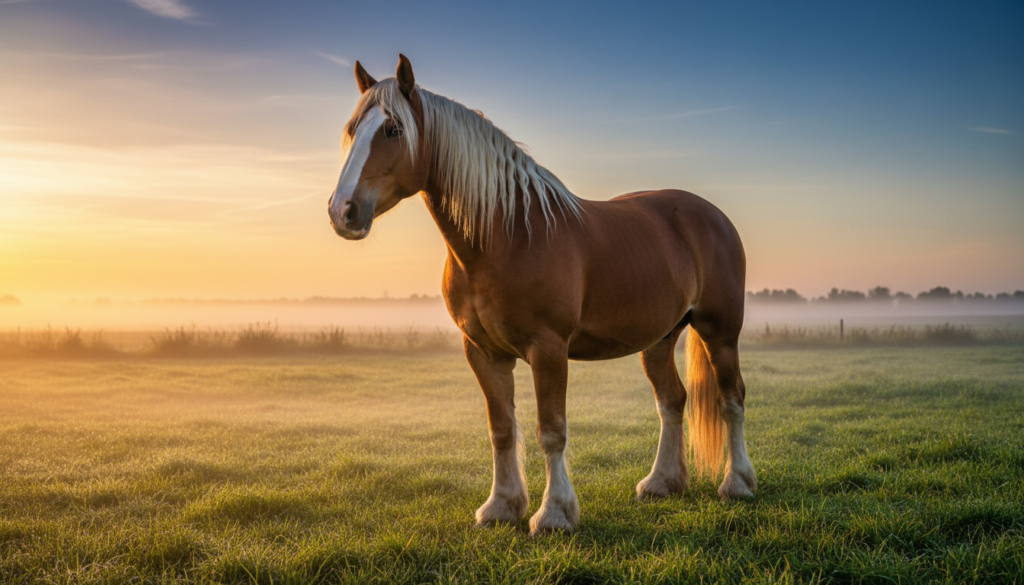
While their sheer size is often the first thing people notice, the Clydesdale’s coat colors and distinctive markings are equally captivating. The most common coat color is bay, a rich reddish-brown body with a black mane and tail. However, black, brown, and roan (a uniform mix of white and colored hairs) are also frequently seen. A striking feature of the breed is the prevalence of white markings. A broad white blaze often adorns their face, extending down to their muzzle. Perhaps most characteristic are their white stockings, which typically cover all four legs up to the knees and hocks, creating a stark contrast against their darker body color.
2.3 Unique Features: Feathering and Hooves
Beyond the bold white markings, two features truly set the Clydesdale apart: their abundant feathering and their distinctive hooves. Feathering refers to the long, silky hair that covers the lower legs, starting just above the knee and hock and cascading over the hoof. This flowing hair adds to their majestic appearance and requires specific care to prevent skin conditions. Their hooves are another critical element. Large and round, with a relatively flat sole, they provide a stable base for their massive bodies and are well-suited for various terrains, enabling them to distribute their immense weight effectively. But these magnificent physical attributes are only part of the story; what truly endears them to so many is the personality behind the power.
3. The Heart of a Giant: Temperament and Personality of the Clydesdale
Despite their imposing physical presence, Clydesdales are renowned for a temperament that is truly as grand as their stature. This gentle nature is a defining characteristic that makes them much more than just powerful work animals.
3.1 Gentle Giants: Docility and Calmness
The most celebrated aspect of the Clydesdale horse breed is its calm and gentle personality is their remarkable docility and calm demeanor. They are famously tractable, possessing an amiable disposition that often contradicts their enormous size. This inherent gentleness makes them surprisingly approachable, even for those less experienced with large horses. They rarely spook and are known for their steady, unflappable nature, making them suitable for a wide range of situations, from busy parades to quiet farm work. This placid temperament is a cornerstone of the Clydesdale horse breed’s appeal and contributes significantly to their versatility.
3.2 Intelligence and Trainability: Willing and Eager Learners
Beyond their calm exterior, Clydesdales are also highly intelligent and possess a cooperative spirit, making them eager learners. They respond well to consistent, positive reinforcement training methods and are known for their willingness to please. Their intelligence allows them to quickly grasp new commands and tasks, whether it’s navigating complex obstacles in a show ring or performing intricate maneuvers for driving. This trainability, combined with their gentle nature, means that despite their size, they can be a joy to work with and educate.
3.3 Social Behavior: Companionship and Herd Dynamics
Clydesdales are generally very social animals, thriving on companionship, both with humans and other horses. They typically integrate well into herds and can form strong bonds with their caretakers. Their calm nature often makes them good “babysitters” for younger or more excitable horses in a pasture. When handled consistently and with respect, they develop trusting relationships, proving to be loyal and affectionate companions. However, owning such a magnificent creature comes with significant responsibilities. Are you prepared for the unique demands of caring for a horse of this scale?
4. The Essential Clydesdale Care Guide: Nurturing Your Draft Horse
Caring for a Clydesdale horse is a significant undertaking that requires specialized knowledge and commitment. This comprehensive Clydesdale care guide will equip prospective and current owners with the actionable advice needed to ensure the health and well-being of these magnificent animals.
4.1 Nutritional Requirements: Feeding a Large Breed
Feeding a Clydesdale properly is paramount, given their immense size and energy output. Their diet must be rich in high-quality forage, such as hay or pasture, forming the bulk of their intake. Expect a Clydesdale to consume significantly more forage than an average horse – often 2-3% of their body weight daily, meaning 30-60 pounds of hay per day.
* Forage First: Always prioritize excellent quality hay or lush pasture.
* Grain Supplementation: Depending on their workload, age, and individual metabolism, grain supplementation may be necessary. Opt for feeds formulated for large draft horses, balanced with essential vitamins and minerals, and avoid overfeeding to prevent obesity.
* Water: Constant access to fresh, clean water is critical. Large troughs are often required.
* Minerals & Salt: Provide a mineral block or a loose mineral supplement specifically designed for horses.
* Weight Management: Monitor their body condition carefully. Obesity in draft horses can exacerbate joint problems and increase the risk of laminitis. Conversely, underfeeding can lead to loss of condition and muscle mass. A balanced diet is fundamental for the health of the Clydesdale horse breed.
4.2 Health and Veterinary Care: Preventative Measures and Common Concerns
Regular veterinary care is non-negotiable for Clydesdales.
* Preventative Care: Establish a routine vaccination schedule (tetanus, equine encephalomyelitis, West Nile virus, etc.) and a regular deworming program tailored to your horse’s environment and risk factors.
* Joint Health: Due to their massive weight, Clydesdales are prone to joint issues, especially as they age. Consider joint supplements (glucosamine, chondroitin) in consultation with your vet.
* Hoof Care: Their large hooves require meticulous and frequent care. Schedule trims every 6-8 weeks, sometimes more often, by a farrier experienced with draft horses. Regular cleaning and inspection are vital to prevent thrush or white line disease.
* Skin Conditions: The abundant feathering on their legs can trap moisture and dirt, making them susceptible to “mud fever” or “greasy heel” (pastern dermatitis). Daily cleaning and drying are essential, especially in wet conditions.
* PSSM: Polysaccharide Storage Myopathy (PSSM) is a genetic muscle disease that can affect draft breeds, including Clydesdales. Symptoms include muscle stiffness, sweating, and reluctance to move. Genetic testing is available, and management often involves a low-starch, high-fat diet.
* Colic: Like all horses, Clydesdales are susceptible to colic. Be vigilant for signs of discomfort and contact your vet immediately if suspected.
4.3 Housing and Environment: Creating a Comfortable Home
A Clydesdale needs space, both indoors and out.
* Stable Size: A standard 12×12 foot stall is often too small for a Clydesdale. Aim for a minimum of 14×14 feet, or even larger (16×16 feet), to allow them to turn around comfortably, lie down, and stand without feeling confined. Ensure high ceilings.
* Pasture Management: Provide ample turnout space with sturdy, well-maintained fencing. Because of their weight, they can be hard on pastures, so rotation or careful management is key to preventing overgrazing and mud.
* Shelter: Even with pasture access, a three-sided run-in shed offers essential protection from sun, wind, and rain.
* Clearances: Ensure all doorways, gates, and alleyways are wide enough for a Clydesdale to pass through safely without injury.
4.4 Grooming Essentials: Maintaining Their Majestic Appearance
Daily grooming is crucial, not just for appearance, but for health.
* Body Grooming: Regular brushing helps distribute natural oils, keeps the coat healthy, and allows for daily health checks. Use stiff brushes for the body and a softer one for the face.
* Feathering Care: This is paramount. The feathering must be kept clean and dry to prevent skin infections like scratches or mud fever. Wash the feathers regularly, especially in muddy conditions, using a mild equine shampoo, and ensure they are thoroughly dried afterward. Some owners opt to “clip out” the feathers in very wet climates, but this is a personal choice.
* Hoof Picking: Daily hoof picking is essential to remove debris and check for any signs of injury or infection.
* Mane and Tail: Keep the mane and tail detangled and free of burrs. Many Clydesdales have beautifully thick manes and tails that require regular conditioning.
This thorough care ensures your Clydesdale thrives, but their roles in our world extend far beyond just being cared-for companions. What other remarkable contributions do these gentle giants make?
5. Beyond the Plow: Uses and Versatility of the Clydesdale
While their roots are firmly planted in draft work, the modern Clydesdale boasts an impressive range of uses, showcasing their remarkable versatility and enduring appeal.
5.1 Traditional Draft Work: Returning to Their Roots
Despite mechanization, Clydesdales still perform traditional draft work. They are invaluable in sustainable agriculture, where their power can cultivate fields without heavy machinery compacting the soil. In forestry, they are used for selective logging, minimizing environmental impact. For small farms or specialty crops, their quiet efficiency and ability to navigate tight spaces make them indispensable. This return to their roots highlights their ecological advantages and the timeless utility of the Clydesdale horse breed.
5.2 Showing and Exhibitions: The Glamour of the Arena
Clydesdales are magnificent show horses, gracing arenas and fairgrounds worldwide. They excel in various classes, from halter showing where their conformation and majestic presence are judged, to draft horse hitches, where teams of multiple Clydesdales pull ornate wagons in synchronized precision. Their elegant high-stepping gait and impressive feathering make them a crowd favorite, celebrating their beauty and grace in a competitive setting.
5.3 Pleasure Riding and Driving: Companions for Recreation
Increasingly, Clydesdales are sought after as pleasure riding and driving horses. Their calm and docile temperament makes them suitable for riders seeking a steady, unflappable mount, especially those who appreciate a larger, more comfortable ride. For driving enthusiasts, their power and trainability make them excellent partners for pulling carriages, carts, or sleighs, offering a unique and enjoyable recreational experience.
5.4 Promotional and Ceremonial Roles: Iconic Ambassadors
Perhaps their most recognizable modern role is as promotional ambassadors. The Budweiser Clydesdales are arguably the most famous example, serving as powerful, iconic symbols of quality and tradition. They appear in parades, sporting events, and commercials, captivating audiences with their grandeur. Beyond commercial branding, Clydesdales also participate in ceremonial events, adding a sense of historical gravitas and majesty to public gatherings. Their gentle nature allows them to handle large crowds with poise, making them perfect for these high-profile appearances. These versatile uses cement their place in society, but there are even more intriguing aspects to discover about these remarkable animals.
6. Fascinating Clydesdale Horse Facts: Beyond the Basics
Beyond their history, appearance, and utility, Clydesdales hold a treasure trove of intriguing facts that further highlight their unique place in the equine world and human culture. These Clydesdale horse facts offer a deeper appreciation for the breed.

6.1 Record Holders and Famous Clydesdales
The world of Clydesdales has seen its share of record-breakers and equine celebrities. One of the most famous examples is the aforementioned Budweiser Clydesdales, a select group of horses meticulously bred and trained to represent the brand. These horses often stand taller and weigh more than the average Clydesdale. While official records for “largest horse ever” vary and are often debated, Clydesdales consistently feature among the contenders due to their inherent size. Their consistent presence in media has made them household names, endearing the breed to millions globally.
6.2 Conservation Status and Breed Popularity
Despite their widespread recognition, the Clydesdale horse has faced fluctuating popularity. In the mid-20th century, with the rise of mechanization, their numbers drastically declined, leading to concerns about their conservation status. Thankfully, dedicated breeders and enthusiasts have worked tirelessly to preserve the Clydesdale horse breed. While not as numerous as some lighter horse breeds, their population has stabilized, and they are now classified as “vulnerable” by the Rare Breeds Survival Trust, a significant improvement from previous classifications. Their unique appeal in shows, parades, and as gentle riding horses continues to ensure their future.
6.3 Cultural Impact and Symbolism
The Clydesdale has permeated popular culture, symbolizing strength, endurance, and grace. In Scotland, they are a national treasure, representing a proud heritage of agricultural innovation and equine excellence. Globally, they evoke feelings of nostalgia for a bygone era of horsepower and hard work. Their image is often used in advertising to convey reliability and tradition, transcending their role as mere animals to become cultural icons. Whether pulling a plow or a parade float, the Clydesdale embodies a powerful connection to history and a hopeful vision for the future.
Understanding the unique needs of the Clydesdale horse breed ensures long-term health, performance, and overall well-being.
The Enduring Charm of the Clydesdale Horse
The Clydesdale horse breed, from the misty valleys of Scotland to the bustling arenas of international shows, the Clydesdale horse breed stands as a testament to the enduring power and gentle spirit of the equine world. We’ve journeyed through their rich history, from their evolution as indispensable farm horses to their current roles as versatile companions and iconic ambassadors. We’ve explored their distinctive physical characteristics and, crucially, understood the amiable and intelligent temperament that belies their awe-inspiring size.
Most importantly, we’ve provided an essential Clydesdale care guide, detailing the specific nutritional, health, housing, and grooming requirements to ensure these magnificent animals thrive. And through fascinating Clydesdale horse facts, we’ve glimpsed their unique contributions to culture and their ongoing legacy.
The Clydesdale’s enduring appeal lies not just in their majestic appearance or historical significance, but in the profound connection they offer to those who understand and respect their needs. By embracing the importance of proper Clydesdale care and management, enthusiasts can ensure that this magnificent breed continues to inspire, work, and charm for generations to come. Their story is far from over, and with dedicated stewardship, these gentle giants will continue to walk proudly into the future.
📚 References
- Clydesdale Horse Society: Official UK Breed Society
- Commonwealth Clydesdale Horse Society: History and Standards
- Britannica: Clydesdale Breed Overview