
The Majestic Percheron Horse Breed: History, Care, and Enduring Legacy
Table of Contents
The Gentle Giants of the Equestrian World
Many admire the sheer presence of a draft horse, but few truly grasp the millennia of refinement, the blend of raw power with unmatched gentleness, or the intricate care these magnificent creatures demand. If you’ve ever felt a pull towards understanding the true essence of a working horse, dismissing them as mere beasts of burden would be a profound oversight.
There’s a story here, a legacy woven into every powerful stride, that extends far beyond the fields and into the very heart of equestrian devotion. From their deep historical roots to the specialized demands of their well-being, the Percheron horse breed represents an unparalleled blend of strength, docility, and versatility.
This article will delve into the rich Percheron history, distinctive physical characteristics, gentle temperament, diverse uses, and essential draft horse care considerations, highlighting their unique place in the equestrian world and compelling readers to explore the full spectrum of the Percheron’s world.
A Journey Through Time: The Percheron History and Origins
From French Farmlands to Global Recognition
The Percheron history is a tapestry woven over centuries, tracing its indelible roots to the ancient Perche region of Normandy, France. This verdant, fertile area, known for its rich pastures and skilled horsemen, provided the perfect crucible for the development of a breed that would come to epitomize the ideal working horse. Early development of the Percheron began as far back as the Middle Ages, where they were highly valued as warhorses due to their impressive size, strength, and stamina, capable of carrying knights in full armor for extended periods.
Influences on the nascent Percheron are believed to include the sturdy native horses of the region, which were crossbred with oriental stallions, primarily Arabians, introduced during the Moorish invasions of the 8th century and later by returning crusaders.
This infusion of Arabian blood is critical to understanding the Percheron’s unique characteristics, contributing not just to their elegance and refined head, but also to their remarkable athleticism, endurance, and famed clean action. Unlike many draft breeds, the Percheron maintains a surprising degree of agility and a smooth, active gait, a direct nod to this ancestral blend. By the 17th century, the breed was well-established, serving indispensable roles in agriculture, pulling heavy loads for transport, and even public coaching, demonstrating their versatility long before they became a global phenomenon.
The Evolution of a Draft Horse
The 18th and 19th centuries saw a deliberate refinement of the Percheron to meet the ever-increasing demands for a powerful, yet agile, working horse. As agricultural practices intensified and the need for efficient transportation grew, breeders in the Perche region selectively bred for greater size, strength, and endurance, without sacrificing the characteristic intelligence and docile temperament that made them so manageable.
The French government itself took an active interest, establishing stud farms and offering incentives to maintain the breed’s purity and improve its working qualities. Key breeders, often farmers and landowners within the Perche region, dedicated generations to perfecting the breed, focusing on characteristics like powerful hindquarters for pulling, strong bone structure for resilience, and a cooperative disposition for ease of handling. The Percheron became renowned for its ability to pull immense weights at a steady pace, making it the ideal choice for heavy farm work, hauling freight, and drawing public carriages over long distances. This period truly cemented the Percheron’s reputation as the quintessential draft horse.
Percherons in America: A Symbol of Strength and Progress
The introduction of Percherons to North America marked a pivotal chapter in the Percheron history and their global ascent. The first recorded importation occurred in 1839 by Edward Harris of Moorestown, New Jersey, bringing the stallion Diligence and a mare. However, it was the subsequent importations after the American Civil War that ignited their rapid rise in popularity. American farmers, grappling with vast tracts of land and the need for powerful machinery, quickly recognized the Percheron’s superior qualities. Their strength made them indispensable for plowing and harvesting large fields, while their speed and endurance proved invaluable for logging operations in dense forests and for urban development, pulling streetcars, delivery wagons, and heavy construction materials through burgeoning cities.

By the late 19th and early 20th centuries, the Percheron had become the most popular draft horse in America, outnumbering all other draft breeds combined. They were seen as a symbol of agricultural progress and industrial might. However, the advent of motorized tractors and vehicles following World War I led to a significant decline in the breed’s numbers, a fate shared by most draft breeds. Many thought the era of the draft horse was over. Yet, the Percheron’s story didn’t end there.
A passionate resurgence in the latter half of the 20th century, fueled by enthusiasts, hobby farmers, and a renewed appreciation for sustainable practices and traditional horsemanship, brought the breed back from the brink. They found new roles in showing, pleasure driving, and even riding, proving their enduring appeal and adaptability. But what makes these giants so uniquely adaptable, and how do their physical traits and temperament contribute to their enduring legacy?
Unveiling the Percheron Horse Breed: Physical Traits and Temperament
Distinguishing Characteristics: Size, Build, and Color
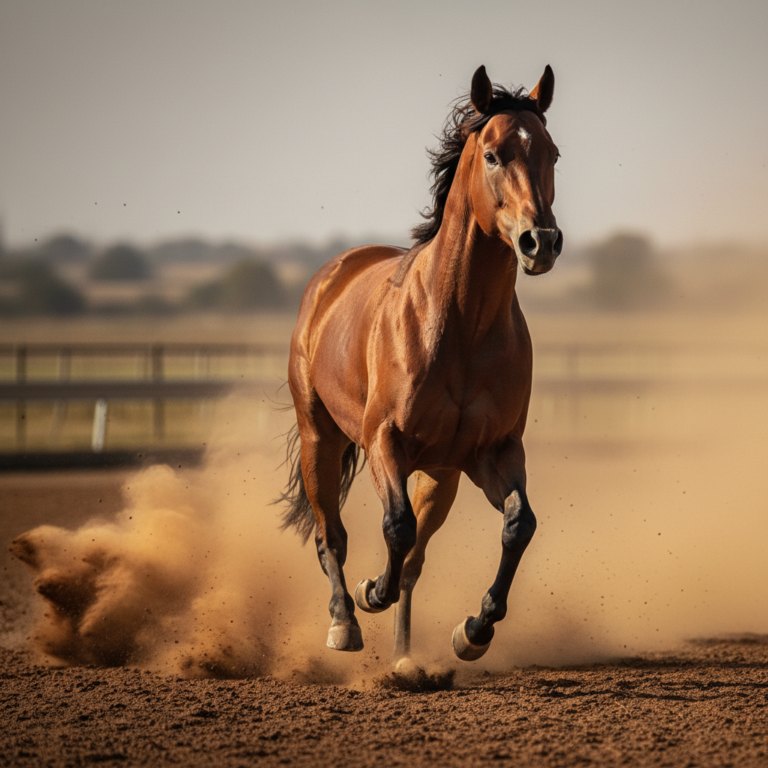
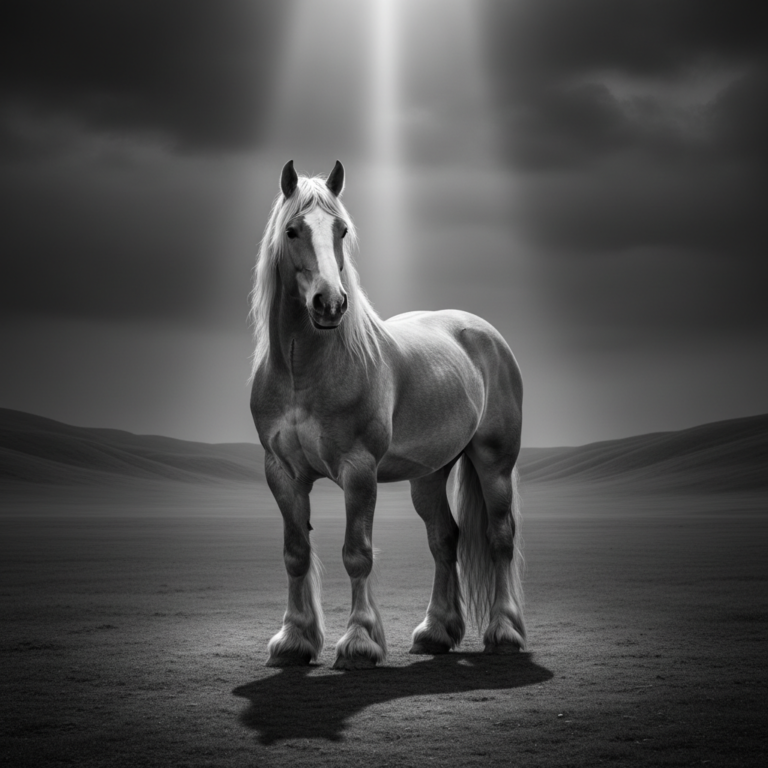
The Percheron horse breed is unmistakable, defined by an impressive combination of grandeur and athletic power. They are among the largest of all draft breeds, with impressive height and weight ranges that command attention. Typically standing between 15.2 and 17 hands (62-68 inches, 157-173 cm) at the shoulder, many individuals exceed these measurements, particularly stallions.
Their weight can vary significantly, ranging from 1,800 to 2,600 pounds (815 to 1,180 kg), though some exceptional specimens can tip the scales even heavier. Despite their massive size, the Percheron possesses a muscular, compact build that conveys both strength and agility. Their bodies are deep and wide, with a short, powerful back, well-sprung ribs, and a massive, muscular hindquarters that are the engine of their pulling power.
Characteristic of the breed are their powerful, clean legs – free from the heavy feathering often seen in other draft breeds – which end in large, sound hooves. This “clean-legged” trait, believed to be an Arabian influence, contributes to their relatively easy draft horse care and resilience in various working conditions. The most prevalent coat colors for the Percheron are black and grey, often with dapples.
While these are the most common and historically desired colors, other accepted colors include roan, bay, and sorrel, though they are much rarer. Their head is noble and refined, proportionate to their body, with a broad forehead, straight profile, and large, expressive eyes that reflect their intelligent and gentle nature. Overall, the Percheron presents a picture of majestic power harmoniously blended with elegance.
The Gentle Giant’s Demeanor: Temperament and Personality
Beyond their formidable size and impressive appearance, it is the Percheron’s temperament that truly sets them apart and endears them to enthusiasts worldwide. They are renowned as “gentle giants,” embodying a docile, willing, and intelligent nature that makes them remarkably easy to handle, despite their massive stature. Their calm disposition is legendary, characterized by exceptional patience and a quiet demeanor that rarely spooks or becomes excitable. This inherent unflappability makes them suitable for a wide range of handlers, from experienced teamsters to novice pleasure riders, and even children under supervision.
Percherons possess an eagerness to please and a strong work ethic. They are highly trainable and respond well to consistent, kind instruction, quickly understanding and retaining commands. This intelligence, combined with their inherent gentleness, makes them incredibly versatile. They form strong bonds with their human companions, often displaying an affectionate and reliable personality. This makes them not only excellent working partners but also cherished family members and dependable mounts. But how do these gentle giants translate their impressive physique and agreeable personality into a multitude of modern applications, and what specific care considerations are crucial to maintaining their health and happiness?
Versatility in Action: Uses of the Percheron Horse Breed
The Percheron horse breed has evolved far beyond its original role as a warhorse and agricultural workhorse, demonstrating remarkable adaptability across a wide spectrum of equestrian disciplines and activities. Their unique combination of strength, intelligence, and docile temperament makes them highly sought after for various purposes today.
Traditional Roles: Agriculture and Logging
While modern machinery has largely replaced horses in large-scale farming and logging, the Percheron still holds an indispensable place in sustainable agriculture, small-scale farming, and traditional logging operations. For farmers committed to organic practices, preserving soil health, or working in environmentally sensitive areas, Percherons provide quiet, non-polluting power for plowing, harrowing, planting, and harvesting.
Their immense strength allows them to pull heavy farm implements, and their keen intelligence ensures they can navigate fields with precision. In logging, especially selective cutting or thinning operations, Percherons can extract timber from difficult terrain without damaging surrounding trees or causing extensive soil disruption, making them an eco-friendly choice. They also play a vital role in historical reenactments and demonstrations, showcasing the traditional farming methods that shaped rural life.
Beyond Work: Driving, Showing, and Pleasure Riding
The majestic presence and natural elegance of the Percheron make them stars in the driving world. They are frequently seen in single, pair, and multi-hitch teams, pulling everything from elegant carriages in parades and weddings to competitive hitches in draft horse shows. Their powerful, rhythmic stride and calm demeanor are perfect for both precision driving and showcasing impressive displays of coordinated power.

In the show ring, Percherons compete in various categories, including halter classes where their conformation and breed characteristics are judged, as well as driving classes. Their sheer size and impressive gaits make them formidable competitors.
Increasingly, Percherons are also valued as pleasure riding horses. Despite their size, their smooth gaits and forgiving nature make them comfortable and confidence-building mounts for riders of all experience levels. They excel in trail riding, leisurely hacks, and even lower-level English or Western riding, particularly for larger riders who appreciate their robust build and steady temperament. Their patience makes them suitable for therapeutic riding programs, offering stability and comfort to individuals with disabilities.
Percherons in Special Roles: Parades, Exhibitions, and Therapeutic Riding
Their majestic appearance and calm disposition also make Percherons ideal for public appearances. They are a common sight in parades, historical reenactments, and promotional events, where their imposing yet gentle nature captivates audiences.
Their stately walk and impressive size draw attention, making them excellent ambassadors for the equestrian world. Furthermore, their unwavering patience and reliable temperament are invaluable in therapeutic riding settings.
The rhythmic movement of a Percheron can provide physical benefits, while their gentle nature offers emotional comfort and builds confidence for riders in need. The versatility of the Percheron truly underscores why they remain so cherished.
But with such impressive size and specific needs, what does it truly take to provide optimal draft horse care for these magnificent creatures?
Essential Draft Horse Care: Nurturing the Gentle Giant
Providing comprehensive draft horse care for a Percheron is crucial to ensuring their longevity, health, and continued well-being. Their impressive size and unique physical demands necessitate specific attention to nutrition, exercise, hoof care, and veterinary needs, distinguishing their care from that of lighter horse breeds.
Nutrition for the Large Equine
Given their substantial body mass and often active lifestyles, Percherons require a carefully balanced diet tailored to their size and workload. High-quality forage, primarily hay, should form the cornerstone of their diet, provided free-choice or in carefully measured amounts to support healthy digestion. Their digestive systems are designed for constant forage intake. In addition to forage, supplemental grains or specially formulated commercial feeds may be necessary, especially for working horses, growing youngsters, or pregnant mares, to provide adequate calories, protein, vitamins, and minerals.
It’s critical to monitor their body condition closely to prevent both obesity and malnourishment. Obesity, common in less active draft horses, can lead to serious health issues like laminitis and joint strain. Conversely, insufficient nutrition can compromise their strength and overall health. Access to fresh, clean water at all times is non-negotiable, and a salt block should always be available. Consulting with an equine nutritionist or veterinarian to develop a personalized feeding plan is highly recommended.
Exercise and Conditioning
Despite their size, Percherons are naturally athletic and require regular exercise to maintain muscle tone, joint health, and mental well-being. Even those used for pleasure riding or light work benefit from consistent turnout in a safe, spacious pasture. For working Percherons, a structured exercise program is essential to build and maintain the necessary conditioning for their specific tasks. This could include driving work, riding, or controlled lunging. Lack of exercise can lead to stiffness, muscle atrophy, and behavioral issues. Conversely, overworking an unfit Percheron can result in injury. A gradual conditioning program is key, always considering the horse’s age, current fitness level, and desired activity.
Hoof Care: A Foundation of Health
The Percheron’s large, strong hooves are fundamental to their overall health and ability to perform. Regular, meticulous hoof care is paramount. This includes routine trimming by a qualified farrier every 6-8 weeks, depending on the individual horse’s growth rate and activity level. Proper trimming ensures correct hoof balance, prevents cracks, and supports the immense weight placed upon them. Due to their size, the hooves are subjected to significant pressure, making correct angles and support crucial to prevent lameness.
While some working Percherons may require shoes for traction or protection on certain surfaces, many pleasure or pasture-kept individuals can thrive barefoot, provided their hooves are regularly maintained and the terrain is suitable. Daily cleaning of the hooves is also vital to remove debris and check for any signs of injury or infection, which can quickly escalate in such large animals.
Veterinary Care and General Health
Routine veterinary care is indispensable for the Percheron. This includes annual vaccinations against common equine diseases, regular deworming based on fecal egg count tests, and annual dental examinations and floating to ensure proper chewing and digestion. Due to their larger mouths and teeth, specialized dental tools may be required.
Percherons, like all breeds, can be prone to certain health conditions, though they are generally robust. Conditions such as laminitis (especially if overweight), various forms of colic, and certain metabolic issues should be monitored. Their sheer size also means that common injuries or lameness can be more challenging to manage.
Therefore, proactive health management, attentive observation for any changes in behavior or physical condition, and prompt veterinary attention for any concerns are critical aspects of responsible draft horse care.
Regular grooming, including brushing and cleaning, not only keeps their coats healthy but also provides an opportunity to check for cuts, scrapes, or skin conditions. A well-cared-for Percheron is a testament to the dedication of their owner, ensuring these gentle giants can live long, healthy, and productive lives. But what lies beneath the surface of their magnificent physical form, and how are breeders ensuring the future integrity of this noble lineage?
Breeding and Genetics: Sustaining the Percheron Legacy
The careful management of breeding and genetics has been instrumental in shaping the Percheron horse breed into the magnificent animal it is today, and it remains crucial for its future. Responsible breeding practices aim to preserve the breed’s distinctive characteristics while enhancing genetic health and diversity.
Selective Breeding for Desired Traits
Centuries of selective breeding have focused on developing the Percheron’s ideal combination of size, strength, temperament, and conformation. Breeders meticulously choose individuals that embody the breed standard: impressive height and weight, powerful yet elegant build, clean legs, sound hooves, and particularly, the renowned docile and willing temperament. The goal is not merely to produce large horses, but to produce balanced, functional individuals that can perform their traditional roles and adapt to new ones, all while maintaining their characteristic intelligence and easygoing nature.
Genetic considerations also play a significant role. Breeders strive to select breeding stock free from inheritable diseases. While Percherons are generally a healthy breed, vigilance is maintained against conditions that can affect any large equine, such as certain musculoskeletal issues or metabolic tendencies. Understanding bloodlines and pedigrees helps to avoid inbreeding and promote genetic diversity, which is vital for the long-term health and resilience of the breed.
Percheron Registries and Preservation Efforts
The integrity and future of the Percheron are safeguarded by breed registries, most notably the Percheron Horse Association of America (PHAA) and its international counterparts. These organizations maintain stud books, register purebred Percherons, and enforce strict breed standards.
Registration ensures that a horse meets the criteria for purity and descent, providing a verifiable record of its lineage. This is essential for breeders, buyers, and for maintaining the consistency of the breed.
Registries also play a vital role in promoting the breed, organizing shows, and educating the public about Percherons and their unique needs. They often facilitate research into equine health and genetics specific to the breed, contributing to ongoing efforts to improve health and welfare.
Through these concerted efforts, the legacy of the Percheron horse breed is actively preserved for future generations, ensuring that the traits developed over centuries continue to thrive. But what does this mean for the Percheron’s place in our rapidly changing world, and how do they continue to adapt and inspire?
The Percheron in the Modern World: An Enduring Icon
The Percheron horse breed, once the undisputed workhorse of the farm and city, continues to forge a significant, if evolving, presence in the modern world. Their story is one of enduring appeal, adaptability, and a deep connection to human endeavor.

Continued Relevance and Adaptation
Despite the mechanization that largely displaced draft horses from their primary working roles, the Percheron has demonstrated remarkable resilience and adaptability. They have seamlessly transitioned into new niches, finding renewed purpose in an array of activities.
As highlighted earlier, their presence in pleasure driving, competitive showing, and trail riding is growing. They are increasingly popular as gentle, reliable mounts for riders seeking a sturdy and comfortable partner. Their unique blend of power and placidness makes them sought-after for equestrian tourism, winery tours, and hayrides.
Furthermore, the growing interest in sustainable agriculture and artisanal farming has seen a resurgence of Percherons on small farms, where they provide eco-friendly power and maintain traditional farming practices.
They are also vital for selective logging in sensitive ecosystems, proving that old methods can be new again when aligned with modern environmental values. The Percheron history is not merely a chronicle of the past but a living narrative that continues to unfold.
Conservation Efforts and the Future of the Breed
While the Percheron is not currently listed as an endangered breed, maintaining its genetic diversity and ensuring its continued health requires ongoing conservation efforts. Breed associations and dedicated enthusiasts are at the forefront of these endeavors. They promote responsible breeding, educate the public, and encourage new generations of owners to experience the joys and benefits of working with these magnificent animals.
The future of the Percheron looks promising. As society increasingly values sustainability, connection with nature, and traditional skills, the Percheron offers a tangible link to a rich past and a sustainable future. Their role as an ambassador for the draft horse world is secure, and their inherent qualities ensure they will continue to inspire admiration and respect. Whether pulling a stately carriage, plowing a field, or carrying a rider down a quiet trail, the Percheron remains an icon of strength, grace, and an enduring partnership between horse and human.
A Legacy of Strength, Grace, and Companionship
From the ancient farmlands of France to the modern show rings and sustainable farms across the globe, the Percheron horse breed stands as a testament to centuries of dedicated breeding and an unparalleled partnership with humanity. We’ve journeyed through their rich Percheron history, revealing their diverse origins and their indispensable role in shaping agricultural and industrial progress.
We’ve admired their majestic physical characteristics, from their impressive stature and clean-legged build to their kind, expressive eyes. Most importantly, we’ve celebrated their renowned docile and intelligent temperament, which truly defines them as “gentle giants” and makes their specialized draft horse care a rewarding endeavor.
The Percheron’s enduring legacy is not just one of brute strength but of remarkable versatility, unwavering loyalty, and a calming presence that enriches every interaction. They are more than just powerful workhorses; they are cherished companions, majestic athletes, and living links to a proud equestrian heritage.
As we look to the future, the Percheron will undoubtedly continue to inspire awe and admiration, reminding us of the profound bond that can exist between humans and these magnificent, gentle giants of the equestrian world. Their story is far from over, echoing a powerful message of resilience, beauty, and unwavering spirit that will captivate generations to come.
📚 References
- Percheron Horse Association of America: Official Breed Registry
- Société Hippique Percheronne: The French Percheron Society
- The Livestock Conservancy: Percheron Breed History