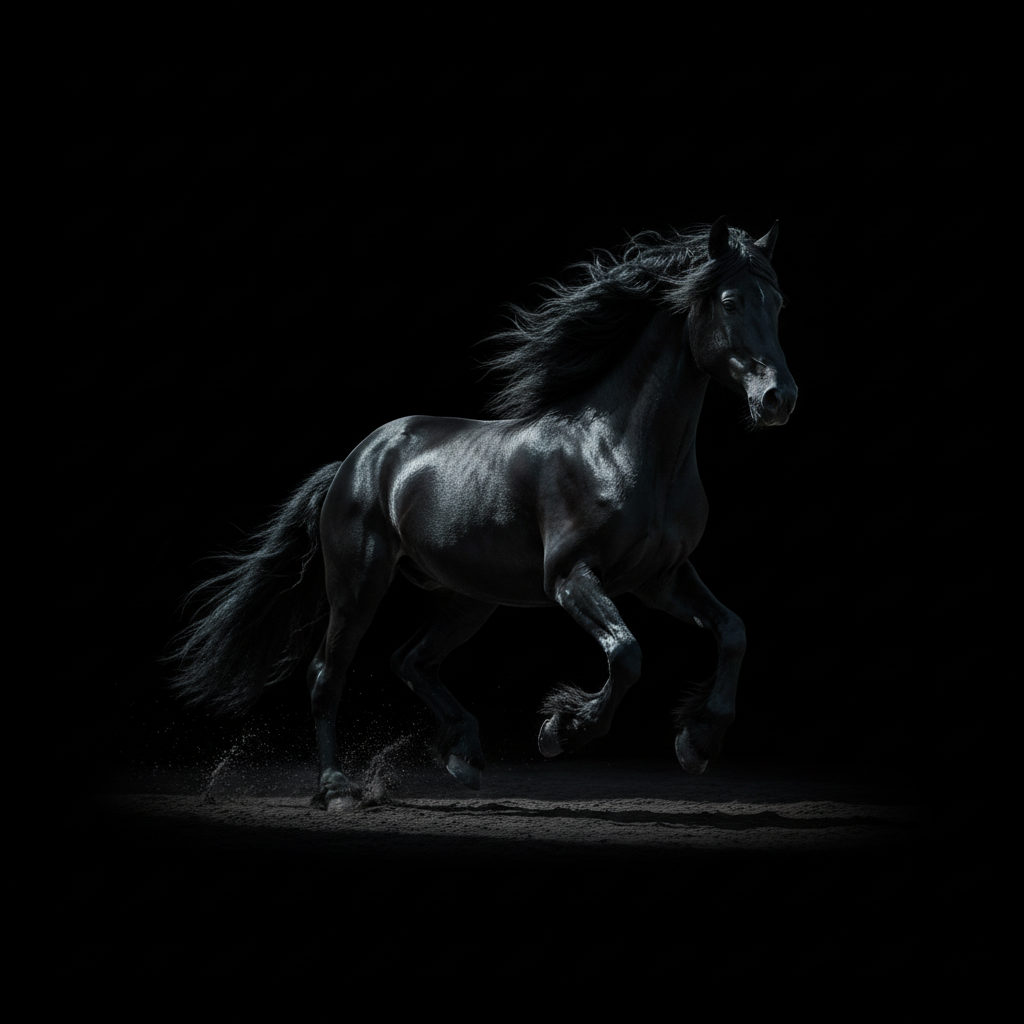
Discovering the Majesty: Your Essential Guide to the Friesian Horse Breed, Care, and How to Buy One
Table of Contents
The dream begins subtly: a captivating image, a fleeting glimpse in a parade, or perhaps a whispered tale of a horse so magnificent it seems to have stepped from a fairytale. You find yourself drawn to the powerful presence, the flowing mane and tail, and the distinctive jet-black coat of the Friesian.
This isn’t just another horse; it’s an enigma, a black pearl whose allure promises an unparalleled equine partnership. Many horse enthusiasts, potential owners, and even seasoned equestrians yearn for an animal that embodies grace, strength, and an almost mythical beauty. If you’ve ever found yourself lost in thought, imagining the thundering hooves and proud carriage of such a creature, you’re already on the slippery slope to falling deeply in love with the Friesian horse breed.
This comprehensive guide is meticulously crafted to be your definitive resource, pulling back the veil on everything you need to know. From the rich tapestry of its history and the unmistakable characteristics that define it, to the nuanced requirements of Friesian horse care and the critical considerations for how to buy Friesian horse responsibly, we will navigate the intricate world of this extraordinary equine. Prepare to journey into the heart of a breed that captivates with every stride, revealing why the Friesian is much more than just a horse – it’s a living legend.
I. A Glimpse into History: The Noble Origins of the Friesian Horse
To truly appreciate the Friesian, one must first understand the deep historical currents that shaped its very being. This is a breed with roots that delve deep into antiquity, surviving centuries of change, conflict, and cultural evolution.
From Warhorses to Workhorses: An Ancient Legacy
The story of the Friesian horse begins in medieval Europe, specifically in the windswept northern province of Friesland, Netherlands, from which it derives its name. Evidence suggests Friesian-type horses have existed for thousands of years, with their powerful build and docile temperament making them invaluable. During the Middle Ages, they were the mounts of choice for knights, renowned as formidable warhorses capable of carrying heavy armor and warriors into battle. Their strength, agility, and fearless disposition were legendary on the battlefield.
As the age of chivalry waned, the Friesian’s role transitioned. They became indispensable farm animals, pulling plows and carts with tireless efficiency. Their elegant trot and imposing presence also made them highly sought-after carriage horses, especially favored by the wealthy and aristocratic for their impressive appearance and smooth gait. This adaptability ensured their survival through periods of immense societal transformation, cementing their place as a versatile and cherished part of Dutch heritage. But how did such an iconic breed nearly vanish from existence?
The Brink of Extinction and Resurgence
Despite their long and storied history, the Friesian horse faced several periods of near disappearance. The 18th and 19th centuries saw a significant influx of “foreign blood,” particularly from Iberian horses, which diluted the pure `Friesian horse breed`. By the early 20th century, the pure Friesian was critically endangered, with only a handful of breeding stallions remaining. This dire situation spurred dedicated efforts to preserve the breed.
In 1879, the *Koninklijk Friesch Paarden Stamboek* (KFPS) – the Royal Friesian Horse Studbook – was established, marking a pivotal moment in the breed’s survival. This society initiated a meticulous selection process, focusing on maintaining the breed’s purity, distinctive characteristics, and unique temperament. Through careful breeding programs and the dedication of passionate enthusiasts, the Friesian was brought back from the brink, securing its future for generations to come. Having weathered the storms of history, what unmistakable traits now define this magnificent animal?
II. Unmistakable Elegance: Distinctive Characteristics of the Friesian Horse Breed
The Friesian horse possesses an aesthetic that is both dramatic and refined, making it one of the most recognizable and admired breeds globally. Its distinctive appearance is a testament to centuries of selective breeding aimed at preserving its unique beauty and athletic prowess.
The Signature Look: Jet Black Coat, Flowing Mane and Tail
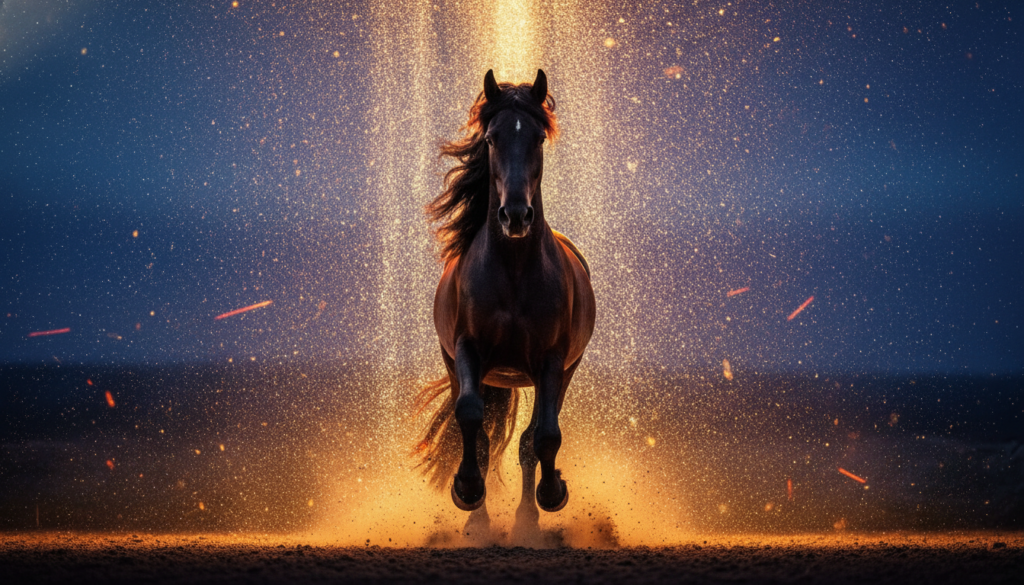
The most striking feature of the Friesian is its coat: an almost universally pure, shimmering jet black. Unlike many breeds where various colors are accepted, the breed standard for the `Friesian horse breed` strictly dictates a black coat. White markings are generally not permitted, with the sole exception of a small star on the forehead, which is tolerated but not preferred. This uniform black creates an imposing and elegant silhouette, especially when combined with their other defining features.
Complementing their dark coat are their famously long, thick, and often wavy mane and tail. These are typically left unbraided and flowing, adding to their dramatic appearance. The luxurious hair is not just a cosmetic feature; it’s a genetic trait that enthusiasts cherish and meticulously care for.
Powerful Build and Feathered Fetlocks
Beneath the elegant facade lies a powerful, athletic, and compact build. Friesians typically stand between 15.3 and 17 hands (63 to 68 inches, 160 to 173 cm) at the wither. They possess a proud, high-set neck that arches gracefully, an expressive head with intelligent eyes, and strong, muscular shoulders and hindquarters. Their robust bone structure contributes to their overall impression of strength and endurance.
Another hallmark of the Friesian is the abundant feathering – long, silky hair – on their lower legs, particularly around the fetlocks. This unique feature adds to their ethereal, old-world charm and requires specific grooming attention to prevent matting and skin issues.
The Friesian’s Graceful Movement: A “Dancing Horse”
Perhaps as captivating as their appearance is their movement. Friesians are renowned for their characteristic high-stepping, powerful, and elegant gaits. Their trot, in particular, is elevated and expressive, covering ground with an impressive arch and lift. This natural athleticism and inherent grace in motion have earned them the affectionate moniker of the “dancing horse.” It’s no surprise that their natural aptitude for classical dressage makes them highly sought-after in the arena, where their dramatic presence and fluid movements are truly showcased. But beyond their physical grandeur and captivating movement, what truly defines the Friesian’s spirit?
III. Temperament: The Gentle Giant of the Equine World
While their physical beauty and impressive gaits are undeniable, it is the Friesian’s exceptional temperament that truly sets it apart and fosters such deep loyalty among its admirers. Often described as a “gentle giant,” this breed combines strength with a remarkably amiable disposition.
Intelligence and Willingness to Please
Friesians are highly intelligent horses, quick to learn and eager to please their handlers. This keen intellect, coupled with a naturally willing attitude, makes them exceptionally trainable. They thrive on clear, consistent communication and respond well to positive reinforcement. Their ability to grasp complex commands and perform intricate movements makes them a favorite in disciplines requiring precision and cooperation. This intelligence, however, also means they appreciate mental stimulation and can become bored without engaging work.
Loyalty and Affection: An Ideal Companion
Beyond their intelligence, Friesians are celebrated for their calm, gentle, and friendly disposition. They are known to form strong, enduring bonds with their human companions, often displaying an affectionate and loyal nature. This makes them not just partners in sport or work, but cherished members of the family. Their innate patience and steady demeanor contribute to their reputation as trustworthy and reliable horses, even in potentially stressful situations.
Suitability for Various Riders and Families
Due to their calm and forgiving nature, Friesians are surprisingly suitable for a wide range of riders. While their size might seem daunting to a novice, their patience and willingness to please can make them excellent mounts for beginners, provided they receive appropriate training and guidance. They are often good with children, demonstrating a remarkable tolerance and gentleness. This makes them ideal family horses, capable of adapting to different riders and settings, from leisurely trail rides to competitive arenas. But nurturing such a noble companion requires dedicated effort. What does it truly take to provide comprehensive `Friesian horse care`?
IV. Comprehensive Friesian Horse Care: Nurturing Your Majestic Companion
Owning a Friesian horse is a deeply rewarding experience, but it comes with the responsibility of providing meticulous `Friesian horse care` to ensure their health, happiness, and continued splendor. Their unique characteristics demand specific attention in several key areas.
Nutritional Needs for Optimal Health
A balanced diet is paramount for the `Friesian horse breed`, supporting their powerful build and maintaining their energy levels. Friesians generally thrive on high-quality forage, such as hay or pasture, forming the bulk of their diet. Concentrates, like grains or commercial horse feeds, should be carefully managed based on their activity level, age, and individual metabolism. It’s crucial to prevent obesity, as Friesians can be “easy keepers” and prone to weight gain, which can lead to various health issues.
Dietary sensitivities are also common, with some Friesians being susceptible to conditions like Polysaccharide Storage Myopathy (PSSM), which requires a low-starch, high-fat diet. Therefore, working closely with an equine nutritionist or veterinarian to tailor a specific feeding plan is highly recommended. Always ensure access to fresh, clean water, and consider supplements if your horse’s diet needs specific enhancements for coat, hoof health, or joint support.
Grooming Regimen: Maintaining That Signature Look
Maintaining the Friesian’s signature look requires a dedicated grooming regimen. Daily brushing is essential not only to keep their black coat shiny and free of dirt and debris but also to stimulate circulation and check for any skin issues. Special attention must be paid to their luxuriant mane and tail. These should be carefully detangled, conditioned, and brushed regularly to prevent breakage and matting. Many owners opt for protective braids or wraps during turnout to preserve the length and quality of the hair.
The abundant feathering on their lower legs also demands meticulous care. It can easily trap moisture and dirt, making Friesians susceptible to skin conditions like scratches (pastern dermatitis). Regular cleaning, drying, and inspection of the feathering are crucial. Hoof care is equally important; regular cleaning and routine farrier visits every 6-8 weeks are necessary to maintain healthy hooves and address any conformational issues.

Essential Health Considerations and Preventive Care
Friesians, while generally robust, do have certain health considerations that prospective and current owners must be aware of. Preventive care is key to their long-term well-being.
Common Health Issues Specific to Friesians
Unfortunately, due to a historically small gene pool and selective breeding, the `Friesian horse breed` can be predisposed to certain genetic conditions. These include:
* Dwarfism: A recessive genetic disorder resulting in unusually small horses with disproportionate features.
* Hydrocephalus: A condition characterized by an abnormal accumulation of cerebrospinal fluid in the brain, often leading to neurological symptoms.
* Megaesophagus: An enlargement of the esophagus that impairs the passage of food to the stomach, leading to choking and aspiration pneumonia.
* Aortic Rupture: A fatal condition where the main artery from the heart ruptures, often without warning.
Beyond genetic issues, Friesians may also be more susceptible to certain skin conditions (like allergies and sweet itch), digestive issues (such as colic, particularly if diet is not carefully managed), and Polysaccharide Storage Myopathy (PSSM Type 1), a muscle disorder that can cause stiffness, muscle pain, and exercise intolerance. Understanding these predispositions allows for proactive management and early intervention.
Regular Veterinary Check-ups and Vaccinations
Routine health exams by a qualified veterinarian are vital for early detection and prevention of health problems. This includes annual wellness checks, dental care (floating teeth as needed), and a consistent deworming schedule based on fecal egg count tests. Recommended vaccination schedules for common equine diseases (e.g., Tetanus, Eastern/Western Encephalomyelitis, West Nile Virus, Rabies, Influenza, Rhino) should be strictly followed, tailored to your horse’s environment and risk factors. Vigilance and a proactive approach to healthcare are essential for keeping your Friesian thriving. Once these fundamental care needs are met, what potential lies within a Friesian waiting to be unlocked through training?
V. Training the Friesian: Unlocking Their Potential
The Friesian horse, with its intelligence and willingness to please, is a joy to train. Their inherent athleticism and calm demeanor make them exceptionally versatile, capable of excelling in a variety of disciplines. However, patience, consistency, and an understanding of their sensitive nature are crucial for successful training.
Early Training and Socialization
Training should ideally begin from a young age with groundwork and basic manners. This establishes a strong foundation built on trust and respect. Foals and young horses benefit immensely from socialization, learning to interact positively with both humans and other horses. Introducing them to basic commands, leading, tying, and desensitization to various stimuli prepares them for more advanced work. A calm, consistent approach during these formative years helps to build confidence and ensures a well-adjusted adult horse.
Specialized Training for Dressage and Driving
Friesians naturally excel in classical dressage and driving disciplines. Their high-stepping gaits, powerful build, and impressive presence make them show-stoppers in the dressage arena. Training for dressage focuses on developing balance, suppleness, collection, and precision, movements that come naturally to the Friesian. Similarly, their historical role as carriage horses means they have an innate aptitude for driving. Specialized training involves teaching them to work in harness, respond to rein and voice commands, and maintain composure while pulling a carriage, whether for pleasure or competition.
Patience and Consistency: Keys to Success
Regardless of the discipline, the keys to successful Friesian training are patience and consistency. These intelligent horses respond best to positive reinforcement and clear, unambiguous cues. They are known for their sensitive nature; harsh methods or inconsistent training can lead to confusion or resistance. Trainers should strive to make learning an enjoyable experience, building on small successes and allowing the horse time to understand and master new concepts. This approach fosters a strong partnership and unlocks the full potential of this magnificent breed. With their training underway, what are the various roles a Friesian can gracefully step into?
VI. Versatility in Action: Uses of the Friesian Horse
The Friesian horse’s blend of strength, elegance, and gentle temperament makes it one of the most versatile breeds in the equestrian world. While historically known for war and work, today’s Friesian graces a multitude of arenas and activities, proving its adaptability and enduring appeal.
The Dressage Arena: Black Beauty in Motion
The Friesian’s natural aptitude for classical dressage is unparalleled. Their elevated, powerful gaits, combined with their striking black coat and flowing mane, create a truly breathtaking spectacle in the dressage arena. They move with an inherent rhythm and elegance, performing intricate movements with a captivating flair. It’s here that their “dancing horse” moniker truly comes to life, as they command attention with every balanced, collected stride, making them consistent favorites among judges and spectators alike.
Driving Excellence: Pulling Carriages with Pride
Harking back to their heritage as carriage horses for nobility, Friesians continue to excel in driving. Their strength, endurance, and calm temperament make them ideal for pulling various carriages, from elegant single turnouts to grand four-in-hand teams. They are a common sight in driving competitions, parades, and historical reenactments, where their majestic presence and impeccable manners shine.
Pleasure Riding and Trail Adventures
Beyond the competitive arena, the Friesian’s calm and tractable temperament makes them exceptional pleasure riding partners. Their smooth gaits offer a comfortable ride, and their unflappable nature makes them reliable companions for trail adventures. Whether it’s a leisurely hack through the countryside or a more challenging trail, a Friesian can navigate various terrains with grace and confidence, making every ride an enjoyable experience.
Show Ring and Performance Events
While dressage and driving are their most famous domains, Friesians also participate in a wide array of other equestrian events. They can be found in western riding disciplines, in-hand showing, theatrical performances, and even as exceptional liberty horses, showcasing their intelligence and responsiveness without tack. Their unique beauty also makes them a favorite for photography and film work. This remarkable versatility means there’s a Friesian for almost every equestrian pursuit. But for those ready to embrace ownership, what critical steps must be taken to ensure a responsible and rewarding journey when you `buy Friesian horse`?
VII. Buying a Friesian Horse: A Guide to Responsible Ownership
The decision to `buy Friesian horse` is a significant one, marking the beginning of a potentially lifelong partnership. Given their unique characteristics, health considerations, and investment, a thorough and responsible approach is paramount. This guide will help you navigate the process, ensuring you find a Friesian that is well-suited to your goals and lifestyle.
What to Look For: Conformation, Temperament, and Health
When assessing a potential Friesian, prioritize a balanced combination of conformation, temperament, and health.
* Conformation: Look for a horse that aligns with the breed standard: a proud, high-set neck, strong back, well-angled shoulders and hindquarters, and correct leg structure. Avoid horses with overly long backs or weak pasterns.
* Temperament: Observe the horse’s disposition carefully. A good Friesian should be calm, curious, and willing to engage. Avoid horses that appear overly spooky, aggressive, or withdrawn. Ask to handle the horse, groom it, and ideally, ride or drive it multiple times.
* Health: Visually inspect for obvious lameness, skin conditions, or respiratory issues. Pay close attention to the overall body condition, coat quality, and alertness.
Understanding breed registration and pedigree is also crucial. The KFPS (Koninklijk Friesch Paarden Stamboek) is the primary registry, maintaining a meticulous studbook. Horses that meet strict breeding standards receive specific designations (e.g., “Star,” “Kroon,” “Model”) indicating their quality and lineage. A registered horse with a known pedigree provides invaluable insight into its genetic background and potential.
Finding Reputable Breeders: Questions to Ask
Due diligence is essential when looking to `buy Friesian horse`. Seek out reputable breeders who prioritize the health, welfare, and responsible breeding of their horses. A reputable breeder will be transparent and eager to answer your questions.

Key questions to ask include:
* What is the horse’s full pedigree and registration status (KFPS)?
* What health testing have the mare and stallion undergone (especially for genetic conditions like dwarfism, hydrocephalus, megaesophagus, PSSM)? Request documentation.
* What are the horse’s training history and typical temperament?
* Can you provide references from previous buyers?
* Can you visit their facilities to see the horses in their environment and meet the parents if possible?
A good breeder will not pressure you and will often ask *you* questions to ensure their horse is going to a suitable home.
Pre-Purchase Examinations and Considerations
Before finalizing any purchase, a thorough pre-purchase examination (PPE) by an independent, qualified equine veterinarian is not just recommended, it’s essential. This comprehensive vet check will assess the horse’s overall health, soundness, and suitability for its intended use. The PPE can include radiographs, blood tests, drug screenings, and lameness evaluations. It’s an investment that can save you from significant heartache and financial burden down the road.
Always understand the terms of the sale, including contracts, warranties (if offered), and return policies. Ensure all agreements are in writing and reviewed by legal counsel if necessary. Clear communication between buyer, seller, and veterinarian is vital throughout this process.
Estimated Costs: Purchase, Care, and Ongoing Expenses
The initial investment when you `buy Friesian horse` can vary significantly based on age, training, bloodlines, conformation, and gender. Well-bred, trained Friesians from reputable breeders can range from $10,000 to well over $30,000, with top show horses commanding even higher prices.
Beyond the purchase price, understanding the ongoing costs associated with `Friesian horse care` is crucial:
* Boarding: Pasture board, stall board, or self-care, ranging from a few hundred to over a thousand dollars per month.
* Feed: High-quality hay, concentrates, and supplements can amount to $100-$300+ per month, depending on the horse’s needs.
* Farrier: Routine hoof trims and shoeing typically cost $50-$200 every 6-8 weeks.
* Veterinary Care: Annual vaccinations, dental exams, deworming, and potential emergency care can cost $500-$1000+ annually.
* Training: If you plan on professional training, this is an additional expense ($300-$1000+ per month).
* Equipment: Tack, blankets, grooming supplies, etc. (initial investment, then maintenance).
* Insurance: Mortality and medical insurance are highly recommended for such a valuable animal.
A realistic budget is critical to ensure you can provide the highest quality of life for your majestic Friesian. Armed with this knowledge, are you ready to embark on this extraordinary journey?
Your Journey with the Friesian Horse
The Friesian horse is truly a breed apart, a captivating blend of stunning beauty, gentle disposition, and remarkable versatility. From its ancient origins as a noble warhorse to its modern-day prowess in the dressage arena and as a beloved companion, the `Friesian horse breed` has proven its enduring appeal and adaptability. Its distinctive jet-black coat, flowing mane, and powerful, elegant movement create an unforgettable impression, while its intelligent, affectionate, and willing temperament fosters a deep and lasting bond with its human partners.
Owning a Friesian is a profoundly rewarding experience, a true partnership built on trust, respect, and mutual admiration. However, it is also a significant commitment, demanding comprehensive `Friesian horse care` and a thorough understanding of their unique needs, from specialized grooming to specific health considerations. The process of how to `buy Friesian horse` responsibly requires careful consideration, diligent research, and a clear budget to ensure a fulfilling journey for both you and your equine companion.
Whether you are an admirer captivated by their majestic presence, a seasoned equestrian seeking a dedicated partner, or someone dreaming of embracing horse ownership, we encourage you to delve deeper into the world of this magnificent breed. The Friesian horse isn’t just an animal; it’s a living piece of history, a symbol of grace, and a testament to the powerful connection between humans and horses. May your journey with the black pearl be filled with awe, joy, and countless unforgettable moments.
📚 References
- KFPS (Royal Friesian): The Official Dutch Friesian Studbook
- Friesian Horse Association of North America (FHANA): Friesian History and Care Guide
- The Livestock Conservancy: Friesian Horse Breed Conservation Status