Unveiling the Appaloosa Horse: A Comprehensive Guide to Its History, Traits, and Care
Table of Contents
The Spotted Marvel of the Equine World
Imagine encountering a truly magnificent horse, its coat a canvas of intricate spots, its eyes gleaming with intelligence. You’re drawn in, captivated by its unique beauty, yet a subtle frustration begins to prickle: Without a deeper understanding, this initial fascination risks remaining just that a fleeting admiration.
You might misinterpret its subtle cues, overlook critical care needs, or even miss out on the profound connection that comes with truly knowing a breed. This superficial appreciation, while pleasant, prevents you from unlocking the full potential of a relationship with such a remarkable creature.
It leaves you vulnerable to misconceptions, or worse, making uninformed decisions if you ever consider owning one of these extraordinary animals. To truly appreciate the Appaloosa Horse is to embark on a journey that transcends mere aesthetics, delving into a heritage as vibrant and complex as its famed coat.
These distinctive Appaloosa horses are far more than just their striking appearance; they embody a profound history, unique physical attributes, a versatile temperament, and specific care requirements that set them apart in the equine world.
This comprehensive guide will lead you through a captivating exploration of the Appaloosa Horse. We will uncover its ancient origins and the incredible story of its preservation, delve into the unparalleled beauty of its iconic coat patterns and unique physical markers, explore the intelligent and willing temperament that makes it such a sought-after partner.
And provide essential insights into its health, management, and the rewarding journey of becoming an Appaloosa owner. Prepare to go beyond the spots and truly understand what makes the Appaloosa one of the most cherished and recognizable breeds on Earth.
The Enduring Legacy: History and Origins of the Appaloosa Horse
The narrative of the Appaloosa Horse is a testament to resilience, cultural significance, and the enduring bond between humans and equines. Its journey from ancient steppes to the American West is one of both glory and near-extinction, culminating in a modern revival that cemented its place in the hearts of horse enthusiasts worldwide.
Ancient Roots: From Asian Steppes to North American Plains
The ancestry of spotted horses can be traced back thousands of years, with evidence found in prehistoric cave paintings across Europe and ancient Chinese art depicting horses adorned with distinctive coat patterns. These early spotted equines spread across continents, eventually making their way to the Iberian Peninsula.
It was from Spain, during the Age of Exploration, that their descendants arrived in the Americas with Spanish conquistadors in the 16th century. As these horses migrated north and west, a select population eventually found its way into the possession of the Nez Perce (Nimíipuu) Native American tribe.
The Nez Perce, specifically along the Palouse River, were renowned for their exceptional horsemanship and advanced understanding of selective breeding. They recognized the unique qualities of these spotted horses and meticulously bred for specific traits: intelligence, stamina, speed, sure-footedness, and, critically, their striking spotted coats.
Unlike other tribes who often valued quantity, the Nez Perce isolated their best breeding stock, preventing outcrossing with other tribes’ horses. They created a distinct, superior line of spotted equines that became integral to their culture, used for hunting, warfare, and daily transportation.
These magnificent animals embodied a powerful symbol of the Nez Perce people’s identity and skill. This careful, deliberate breeding by the Nez Perce is the cornerstone of the modern Appaloosa Horse breed.
Near Extinction and Revival: Preserving the Appaloosa Breed
The golden age of the Nez Perce and their splendid spotted horses tragically came to an end in the late 19th century. The encroachment of European settlers and the U.S. government’s policies led to escalating conflicts, culminating in the devastating Nez Perce War of 1877. During their valiant but ultimately futile flight from the U.S. Army, the Nez Perce horses, including many of the finest Appaloosa specimens, played a crucial role.
However, following their surrender, the U.S. Army systematically confiscated, dispersed, and slaughtered thousands of these horses, aiming to cripple the Nez Perce’s ability to resist. This catastrophic event pushed the Appaloosa Horse breed to the brink of extinction, scattering the surviving animals and nearly erasing centuries of careful breeding.
For decades, the distinct spotted horse population dwindled. It wasn’t until the mid-20th century that a concerted effort began to resurrect the breed. In 1938, a dedicated group of enthusiasts, led by Claude Thompson, formed the Appaloosa Horse Club (ApHC) in Moscow, Idaho.
Their mission was clear: to locate the remaining descendants of the Nez Perce horses and establish a registry to preserve and promote the breed. The ApHC set out to define breed characteristics, establish breeding standards, and encourage the re-establishment of the population.
Through careful breeding programs, often incorporating Quarter Horses and Thoroughbreds to broaden the gene pool and refine desirable characteristics while preserving the spotted patterns, the Appaloosa began its remarkable comeback. Today, the ApHC is one of the largest equine breed registries in the world, a testament to the enduring appeal and successful revival of the Appaloosa Horse.
But how did this arduous journey through history, marked by both glory and near-loss, contribute to the visually stunning and physically unique traits we recognize in today’s Appaloosa?
Beyond the Spots: Distinctive Physical Characteristics of the Appaloosa Horse
While the kaleidoscopic coat patterns are undoubtedly the most iconic feature of the Appaloosa Horse, the breed possesses a suite of other unique identifying characteristics that contribute to its overall allure and make it instantly recognizable. These physical traits are not merely superficial but are often genetically linked and speak to the breed’s storied past and athletic capabilities.
The Iconic Appaloosa Coat Patterns
The hallmark of the Appaloosa Horse is its incredibly diverse and striking coat patterns. These are the result of the Leopard Complex (LP) gene, which controls the presence and expression of these patterns, ranging from subtle specks to dramatic full-body designs. Understanding these patterns is key to appreciating the Appaloosa’s visual identity:
* Blanket: A solid white area, typically over the loin and hips, with or without dark spots within the white. This can range from a small patch to covering most of the horse’s back.
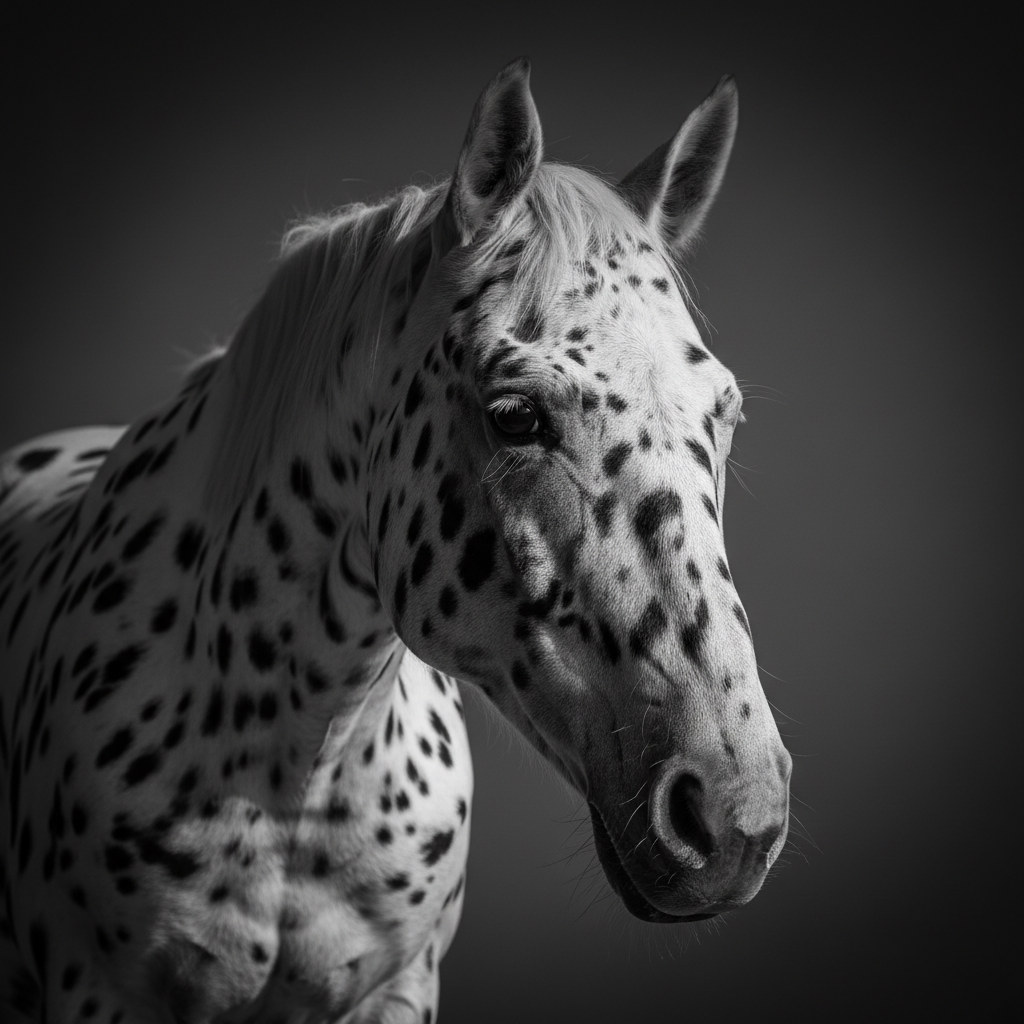
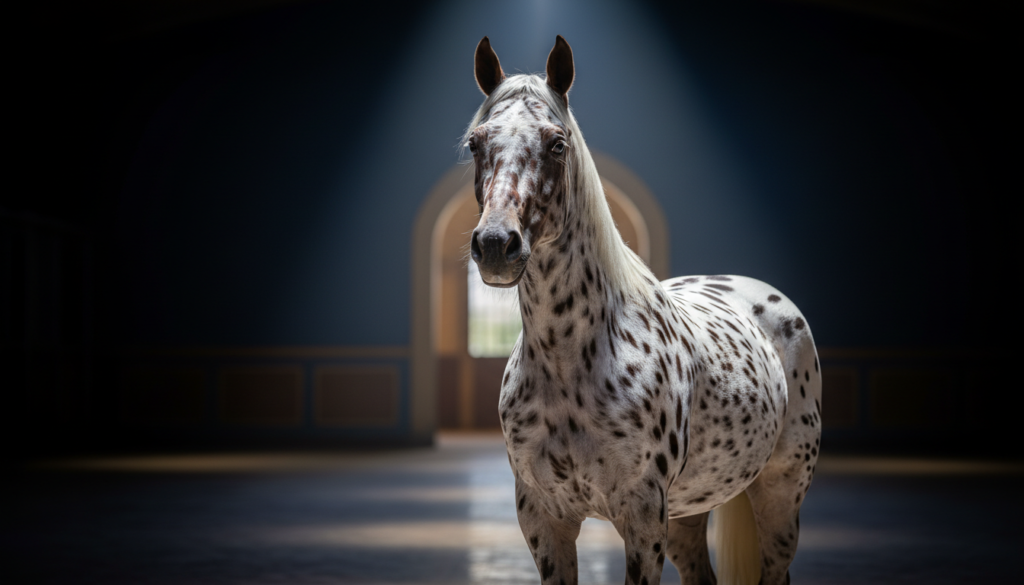
* Leopard: Characterized by dark spots distributed over a white or light-colored body. These spots can vary in size and density, sometimes covering the entire horse, resembling a leopard’s coat.
* Snowflake: Small, distinct white spots or “flecks” spread over a darker base coat. The spots often increase in number and size with age, giving the horse a dappled, snowy appearance.
* Varnish Roan: A mixture of white and dark hairs that lighten the body, but usually with dark points (legs, head, mane, tail). Dark areas often remain over the bony parts of the face, knees, and hocks. The roaning increases with age.
* Frost: Similar to Snowflake but often less distinct, with a scattering of white hairs over the base coat, giving a frosted appearance rather than distinct spots.
* Solid: An Appaloosa can also be solid-colored, meaning it carries the LP gene but does not express a visible spotted pattern. These horses are still genetically Appaloosas and can produce patterned offspring.
The genetic basis behind these breathtaking variations is complex, involving the LP gene and potentially other modifying genes. No two Appaloosa coats are exactly alike, making each animal a living work of art and adding to the mystique of Appaloosa horses.
Unique Identifying Traits: Mottled Skin, Striped Hooves, and White Sclera
Beyond the captivating coat, the Appaloosa Horse boasts several other distinctive physical traits that serve as key breed identifiers, often even in solid-colored individuals:
* Mottled Skin: Patches of pigmented and non-pigmented skin are commonly found around the muzzle, eyes, and genitalia. This “mottling” is a strong indicator of Appaloosa lineage, often appearing as freckles or a marbled effect, and is present regardless of coat pattern.
* Striped Hooves: Many Appaloosas exhibit vertically striped hooves, alternating between light and dark pigmentation. While not exclusive to the breed, it is a common and highly characteristic trait that contributes to their unique appearance.
* White Sclera: The sclera is the white part of the eye. While all horses have a sclera, in most breeds, it’s rarely visible unless the eye is rolled back. Appaloosas, however, often have a prominent white sclera, similar to humans, which makes their eyes appear more expressive and can give them a “human-like” gaze.
These features, in combination with the coat patterns, create an unmistakable profile for the Appaloosa Horse, making it one of the most visually distinctive breeds in the world.
Conformation and Build: Athleticism and Versatility
While their aesthetics are often the first thing people notice, the Appaloosa’s conformation is equally crucial, bred for functionality and athleticism. Desirable physical attributes include:
* Balanced Proportions: A well-muscled body with a deep chest, strong back, and well-sprung ribs, indicating good lung capacity and stamina.
* Strong Musculature: Powerful hindquarters and well-developed forearms and gaskins, essential for agility, speed, and endurance.
* Refined Head: Often exhibiting a straight or slightly convex profile, with expressive eyes (showing the white sclera) and mobile ears.
* Sound Legs and Feet: Strong, clean legs with correct angles, and hard, well-formed hooves (often striped) capable of withstanding diverse terrains.
This conformation allows the Appaloosa to excel in a multitude of disciplines, showcasing the breed’s incredible versatility. The balanced build reflects their heritage as rugged, capable working horses.
These distinctive physical attributes make the Appaloosa Horse a true standout. But how do these striking looks and athletic builds translate into their personality and performance, making them such versatile partners in a variety of equestrian pursuits?
Temperament and Versatility: Why the Appaloosa Horse Excels
Beyond their captivating appearance, the Appaloosa Horse is celebrated for its exceptional temperament and remarkable versatility. These qualities have allowed them to transition seamlessly from a tribal warhorse to a beloved companion and a competitive athlete across various disciplines, endearing them to countless owners worldwide.
A Loyal and Intelligent Companion
The quintessential Appaloosa personality is marked by intelligence, amiability, and a genuine willingness to please. Bred for centuries by the Nez Perce for close partnership and arduous tasks, these horses developed a keen intellect and a strong desire to understand and work with their human counterparts. They are often described as having “character” and being “people-oriented,” forming deep, loyal bonds with their owners.
Their intelligence makes them quick learners, often picking up new commands and complex tasks with relative ease. This trainability, coupled with their calm and dependable nature, makes them suitable for riders of all experience levels, from children to seasoned equestrians. While individual personalities vary, the breed generally exhibits a calm demeanor, courage, and a resilient spirit. This combination of intelligence and a willing attitude fosters a profound partnership, making the Appaloosa Horse not just a mount, but a trusted friend and companion.
From Western Pleasure to English Rings: Appaloosa Horses in Action
The Appaloosa’s balanced conformation and intelligent temperament lend themselves to an extraordinary range of equestrian activities. Their versatility is one of the breed’s most cherished characteristics, allowing them to excel in almost any discipline imaginable.
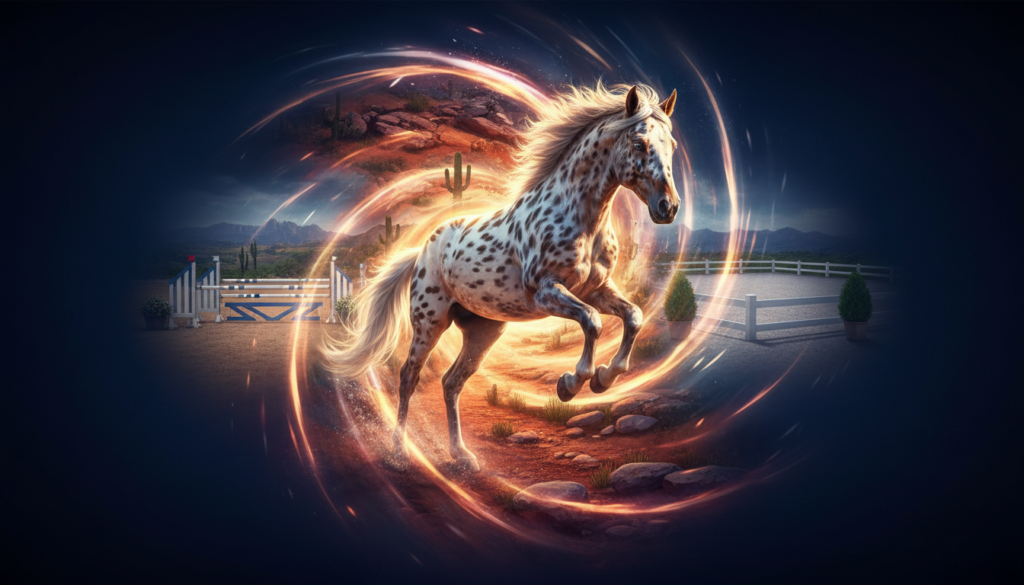
Western Disciplines:
* Western Pleasure: Their smooth gaits and quiet disposition make them ideal for this class, emphasizing a relaxed and enjoyable ride.
* Reining: With their agility, athleticism, and responsiveness, Appaloosas can execute the intricate patterns of reining, including sliding stops and spins.
* Trail Riding & Extreme Cowboy Racing: Their sure-footedness, stamina, and calm nature make them excellent partners for navigating diverse terrain and obstacles.
* Cattle Work: From cutting to team penning, their innate cow sense and quick reflexes are invaluable for working livestock.
* Rodeo Events: While not as commonly seen as some other breeds, some Appaloosas showcase their speed and agility in barrel racing and pole bending.
English Disciplines:
* Hunt Seat & Show Jumping: Their athletic build and willing nature allow them to confidently clear fences, demonstrating scope and form.
* Dressage: With their natural balance and responsiveness, Appaloosas can perform the precise movements and patterns required in dressage, showcasing grace and obedience.
* Eventing: The combination of stamina, jumping ability, and obedience makes them well-suited for the challenging three phases of eventing (dressage, cross-country, show jumping).
General Recreation and Other Uses:
* Trail Riding & Endurance: Their stamina and calm demeanor make them ideal partners for long rides and endurance competitions.
* Driving: Many Appaloosas are also trained for driving, both for pleasure and competition.
* Family Companion: Their gentle and patient nature makes them excellent family horses, suitable for riders of varying ages and skill levels.
This remarkable adaptability is a testament to the comprehensive breeding vision of the Nez Perce and the subsequent development by the ApHC. The Appaloosa Horse truly is a jack-of-all-trades, capable of excelling in nearly any role asked of it.
Given their diverse capabilities and close bond with humans, what specific considerations are paramount to ensuring the optimal health and well-being of these magnificent Appaloosa horses throughout their lives?
Caring for Your Appaloosa: Health and Management Considerations
Owning an Appaloosa Horse is a rewarding experience, but like any equine breed, they come with specific care requirements and potential health considerations. A diligent approach to health and management ensures these beautiful animals live long, healthy, and productive lives.
General Equine Care: Nutrition, Exercise, and Routine Health
Regardless of breed, all horses require fundamental care, and Appaloosas are no exception.
* Nutrition: Tailored nutritional advice is crucial. Appaloosas generally thrive on a balanced diet of good quality forage (hay or pasture), supplemented with grains or concentrates as needed based on their age, activity level, and physiological state (e.g., growing, breeding, working). Always provide access to fresh, clean water and a salt block. Consulting with an equine nutritionist or veterinarian can help craft the ideal diet.
* Exercise: Regular exercise is vital for maintaining muscle tone, cardiovascular health, and mental well-being. The type and intensity of exercise should match the horse’s fitness level and intended use. Whether it’s daily riding, turnout in a paddock, or specific training, consistent movement is key.
* Routine Health: This encompasses several critical areas:
* Grooming: Daily grooming helps to maintain skin and coat health, promotes circulation, and allows for early detection of any skin issues or injuries.
* Farrier Care: Regular hoof trimming and shoeing (if needed) every 4-8 weeks by a qualified farrier are essential for soundness and preventing lameness. Appaloosas’ striped hooves are generally no different in care than solid ones, but quality farrier work is paramount.
* Veterinary Check-ups: Annual veterinary examinations are crucial for preventative care, including vaccinations against common equine diseases (e.g., tetanus, EHV, WNV, rabies) and regular deworming tailored to fecal egg count results. Prompt attention to any signs of illness or injury is also vital.
* Dental Care: Routine dental examinations and floating (filing down sharp enamel points) at least annually are necessary to ensure proper chewing, digestion, and overall comfort.
Specific Health Concerns in Appaloosa Horses
While generally hardy, Appaloosas have certain genetic predispositions that owners should be aware of and actively manage.
* Equine Recurrent Uveitis (ERU): Also known as moon blindness, ERU is an autoimmune disease causing recurring inflammation of the eye’s uveal tract. Appaloosas have a significantly higher incidence of ERU than other breeds, especially those with LP gene expression.
* Symptoms: Squinting, tearing, cloudiness, sensitivity to light, red or inflamed eyes.
* Prevention & Management: Early diagnosis and aggressive treatment with anti-inflammatory medications are crucial to minimize damage and preserve vision. In severe cases, surgical options like suprachoroidal cyclosporine implants may be considered. Regular veterinary eye exams are highly recommended for Appaloosas. Protecting eyes from UV light with a fly mask is also advisable.
* Congenital Stationary Night Blindness (CSNB): This is a genetic, non-progressive condition that impairs a horse’s vision in low light or darkness. It is an autosomal recessive trait linked to the Leopard Complex (LP) gene, meaning a horse must inherit two copies of the LP allele (LP/LP) to be affected. Many LP/LP horses are also affected by CSNB.
* Understanding this Genetic Condition: Affected horses struggle to see in dim light, often bumping into objects. There is no cure, but affected horses can learn to navigate familiar environments. Owners should be aware of this and provide appropriate management, such as consistent stable layouts and avoiding night turnout in unfamiliar areas. Genetic testing is available to identify carriers (LP/lp) and affected (LP/LP) horses, allowing breeders to make informed decisions.
* Other Genetic Predispositions: While less common or directly linked, Appaloosas may also be predisposed to certain skin conditions, likely due to their lighter pigmentation around areas like the muzzle. Sun protection for sensitive skin can be important.
Grooming and Coat Maintenance
The unique coats of Appaloosa horses often require specialized grooming techniques to maintain their health and vibrancy.
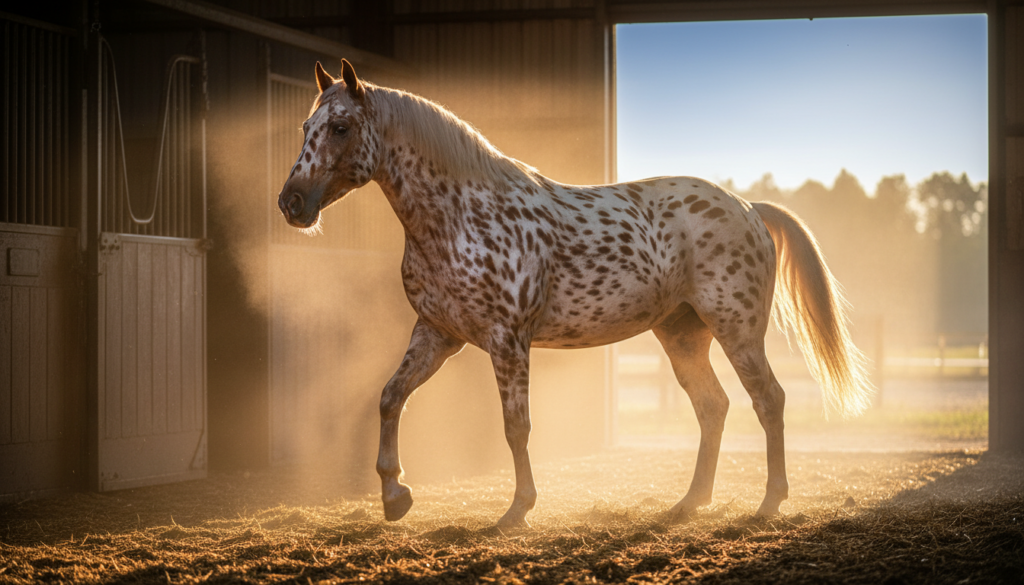
* Sun Protection: Horses with extensive white areas or light skin are susceptible to sunburn, especially on their muzzles and around their eyes. Sunscreen formulated for horses or protective fly masks with UV protection are beneficial.
* Stain Management: White areas on patterned coats can easily become stained. Regular grooming, including bathing with gentle equine shampoos, can help keep the coat bright and clean. Spot treatments may be necessary for stubborn stains.
* Mane and Tail Care: Appaloosas are sometimes known for having sparse manes and tails. While this is a breed characteristic, regular conditioning and careful detangling can help prevent breakage and promote healthy growth.
Understanding and addressing these specific care and health considerations is paramount to the well-being of your Appaloosa Horse, ensuring they remain a stunning and healthy partner.
With this robust understanding of their care, what crucial steps and resources should aspiring owners consider when bringing one of these magnificent Appaloosa horses into their lives?
Bringing Home an Appaloosa: Resources for Potential Owners
The decision to own an Appaloosa Horse is a significant one, promising years of companionship and rewarding experiences. However, navigating the process of acquiring an Appaloosa requires careful consideration, research, and access to the right resources.
What to Look For When Buying an Appaloosa Horse
Finding the right Appaloosa involves more than just admiring a beautiful coat; it’s about matching the horse to your experience level, goals, and lifestyle.
* Temperament: Prioritize temperament above all else. A good Appaloosa should be calm, intelligent, willing, and respectful. Spend time observing the horse, handling it, and if possible, riding it multiple times. Ensure its personality aligns with your comfort level and riding aspirations.
* Health Records: Request full health records, including vaccination history, deworming schedule, and any past medical issues. Inquire about the horse’s lineage, especially concerning predispositions like ERU and CSNB. A pre-purchase examination by an independent veterinarian is highly recommended to assess the horse’s overall health and soundness, including specific eye exams for Appaloosas.
* Training: Evaluate the horse’s level of training and ensure it matches your riding skills. An experienced horse is often best for novice riders, while a greener horse might suit an experienced owner looking for a project.
* Suitability for Goals: Clearly define what you want to do with your Appaloosa Horse. Are you looking for a trail partner, a show competitor, a family horse, or a breeding prospect? Ensure the horse’s conformation, age, and training are suitable for your specific goals.
* Finding Reputable Sources:
* Reputable Breeders: Seek out breeders who prioritize the health, temperament, and ethical breeding of their Appaloosas. Ask for references, visit their facility, and observe their horses.
* Rescue Organizations: Many excellent Appaloosas find themselves in rescue situations through no fault of their own. Adopting from a reputable rescue can be a incredibly rewarding experience.
* Pre-purchase Examinations: Never skip a thorough pre-purchase exam by a veterinarian of your choosing. This independent assessment is crucial for identifying any underlying health issues that might not be apparent during initial visits.
Understanding Appaloosa Registration and Breed Standards
For anyone interested in showing, breeding, or simply documenting the heritage of their Appaloosa Horse, understanding the Appaloosa Horse Club (ApHC) registration process and breed standards is essential.
* ApHC Registration: The Appaloosa Horse Club is the official registry for the breed. Registration verifies a horse’s parentage and eligibility as an Appaloosa. If you purchase a registered horse, ensure you receive its registration papers and understand the transfer process. If the horse is unregistered but eligible, you’ll need to follow the ApHC guidelines for registration.
* Pedigree: A horse’s pedigree (its ancestral lineage) provides valuable insights into its potential genetic traits, temperament, and athletic capabilities.
* Navigating Breed Standards: The ApHC sets specific breed standards that judges use in show rings. These standards cover conformation, temperament, and even the appearance of coat patterns. While not all owners will show, understanding these standards provides a deeper appreciation for the breed’s ideal characteristics.
Community and Support for Appaloosa Owners
Joining the Appaloosa community offers invaluable support, educational resources, and networking opportunities.
* Local and National Appaloosa Clubs: Connect with your local ApHC chapters or national associations. These organizations host shows, clinics, trail rides, and social events, providing opportunities to learn, compete, and meet fellow Appaloosa enthusiasts.
* Online Communities: Social media groups and forums dedicated to Appaloosa horses offer a platform for asking questions, sharing experiences, and finding advice from a global network of owners.
* Educational Resources: The ApHC and affiliated organizations provide a wealth of educational materials on Appaloosa history, care, training, and showing. Continuous learning is a cornerstone of responsible horse ownership.
Bringing home an Appaloosa is an exciting adventure that combines historical appreciation with the promise of a loyal partnership. By conducting thorough research, making informed decisions, and leveraging the support of the Appaloosa community, you can ensure a successful and fulfilling journey with your spotted companion.
Having explored their incredible journey from ancient history to the practicalities of ownership, what final takeaways truly define the enduring allure of the Appaloosa, solidifying its place as a truly cherished breed in the equine world?
The Enduring Charm of the Appaloosa Horse
From the ancient steppes to the meticulous breeding grounds of the Nez Perce, and through a remarkable journey of near-extinction and triumphant revival, the Appaloosa Horse stands as a testament to resilience, beauty, and unwavering companionship. We have explored its rich heritage, tracing the origins of spotted horses and the pivotal role of the Nez Perce tribe, alongside the crucial efforts of the Appaloosa Horse Club in safeguarding its legacy.
We’ve delved into the distinctive physical traits that make the Appaloosa instantly recognizable its iconic coat patterns, mottled skin, striped hooves, and prominent white sclera each a unique brushstroke in its overall masterpiece. Furthermore, we’ve celebrated its remarkable versatility and intelligence, showcasing why the Appaloosa excels across a myriad of Western and English disciplines, making it a truly adaptable and loyal equine partner.
Owning an Appaloosa Horse is a commitment that extends beyond admiration; it involves understanding specific health considerations like ERU and CSNB, coupled with dedicated general care, including tailored nutrition, regular exercise, and consistent veterinary and farrier attention.
The rewards, however, are immeasurable. The bond forged with these intelligent, amiable, and willing creatures is profound, offering a partnership characterized by trust and mutual respect. For aspiring owners, the journey begins with thorough research, ethical acquisition from reputable sources, and an engagement with the vibrant Appaloosa community, ensuring a well-informed and supportive experience.
The Appaloosa Horse is more than just a breed with a pretty coat; it is a living connection to history, a symbol of unique beauty, and an embodiment of versatility and intelligence. Its striking appearance may capture the eye, but its dependable temperament and genuine spirit capture the heart. Truly a cherished breed, the Appaloosa continues to inspire awe and devotion, standing as a proud and integral part of the global equine family.
📚 References
- Learn more about breed standards at the Appaloosa Horse Club (ApHC).
- Detailed history of the breed via Encyclopaedia Britannica.
- Information on genetic coat patterns at the UC Davis Veterinary Genetics Laboratory.