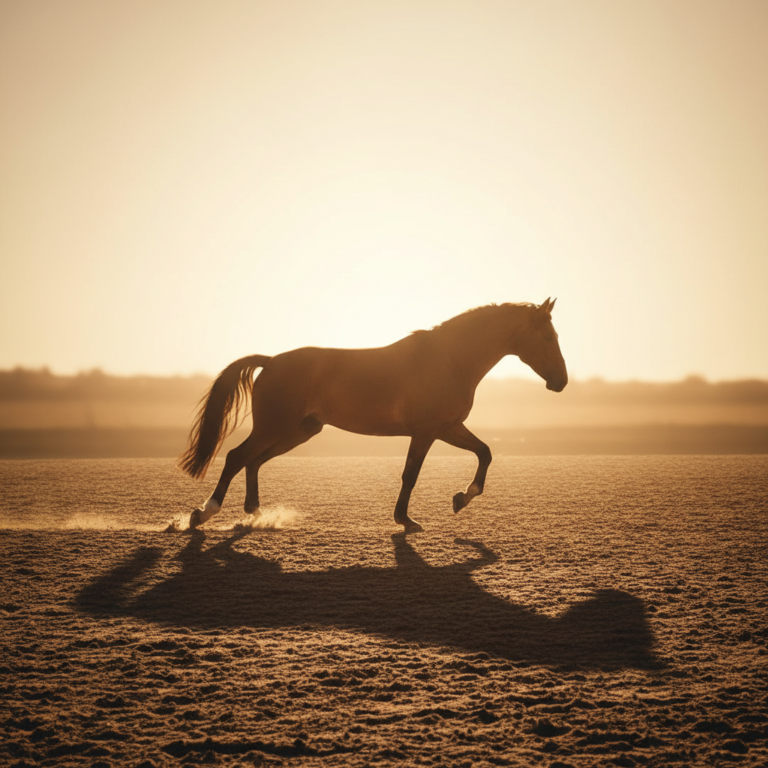

The Belgian Draft Horse: Unveiling the Gentle Giant of the Equine World
Table of Contents
Beyond Mere Size – The Enduring Allure of the Belgian Draft Horse
Many are instantly captivated by the sheer, imposing presence of a Belgian Draft horse, envisioning raw power and majestic beauty. But to stop there would be to miss the profound depth of a breed that embodies far more than just its immense stature.
It’s easy to be drawn in by their strength, capable of feats that defy belief, yet it’s the quiet wisdom in their eyes and a disposition so calm and gentle that truly earns them the moniker ‘gentle giant.’ This captivating paradox is where the true journey with the Belgian Draft horse begins.
A journey that reveals a rich history, incredible versatility, and a unique set of characteristics that make it one of the most beloved heavy horse breeds worldwide. This article will delve deep into the world of the Belgian Draft horse, exploring its storied past, unmistakable physical traits, the specific care required to maintain such a magnificent animal, its myriad uses from farm to show ring, and the truly remarkable temperament that makes it an exceptional companion.
Prepare to uncover why the Belgian Draft horse continues to be a symbol of strength, elegance, and unwavering loyalty, inviting you to look beyond the impressive façade and discover the heart of this magnificent equine.
1. A Legacy Forged in Time: The History and Origins of the Belgian Draft Horse
The Belgian Draft horse boasts a lineage as robust as its physique, its roots deeply embedded in European history. Understanding its origins is key to appreciating its development and the enduring qualities that define the breed today.
1.1. Ancient Roots and Medieval Ancestors
Tracing back to the mighty ‘Great Horse’ of medieval Europe, the ancestors of the Belgian Draft horse were indispensable for warfare, carrying armored knights into battle, and later, for the arduous tasks of heavy farm labor. These powerful equine forebears, often referred to as destriers, were selected for their immense strength, stamina, and ability to handle challenging terrain and loads.
They were the engines of medieval society, crucial for both military might and agricultural sustenance. Their powerful build and docile temperament, even under immense pressure, laid the foundational groundwork for the refinement that would eventually lead to the modern Belgian Draft horse.
Imagine the sheer force and presence required to be at the forefront of such a demanding era; that spirit of resilience still flows through their veins.
1.2. The Breed’s Development in Belgium
While their ancestry is ancient, the methodical breeding programs that refined the Belgian Draft horse into its recognizable form predominantly took place in Belgium. Over centuries, breeders in regions such as Brabant (giving rise to the alternative name, Brabant horse) focused intensely on selecting for specific traits: unparalleled strength, a docile and willing temperament, and a compact, powerful conformation.
This careful cultivation began to yield a horse perfectly suited for heavy draft work, capable of pulling immense loads with remarkable efficiency. Key regions and dedicated breeders throughout the 18th and 19th centuries meticulously improved the original stock, emphasizing consistency in type and temperament.
Their efforts solidified the Belgian Draft horse as a distinct and highly valued breed, a testament to centuries of agricultural necessity and human ingenuity.
1.3. Global Spread and International Recognition
The reputation of the Belgian Draft horse for strength, good nature, and efficiency quickly spread beyond its native lands. By the late 19th and early 20th centuries, it gained immense popularity worldwide, particularly impacting North America.
American importers sought out the breed for its unparalleled ability to work vast tracts of farmland, contributing significantly to the agricultural expansion and industrial development of the continent. The breed societies were established, meticulously documenting pedigrees and promoting the breed’s standards.
From the bustling streets of burgeoning cities, where they pulled trams and delivery wagons, to the expansive fields of newly settled territories, the Belgian Draft horse became synonymous with power and progress. Its international recognition underscored its versatility and critical role in shaping economies and societies across the globe. But what exactly makes this horse so physically distinct?
2. Unmistakable Presence: Defining Characteristics of the Belgian Draft Horse
Instantly recognizable, the Belgian Draft horse possesses a suite of physical attributes that set it apart, reflecting its strength and working heritage. These characteristics are not merely aesthetic but are integral to its functionality and enduring appeal.
2.1. Stature and Build: The Epitome of Equine Power
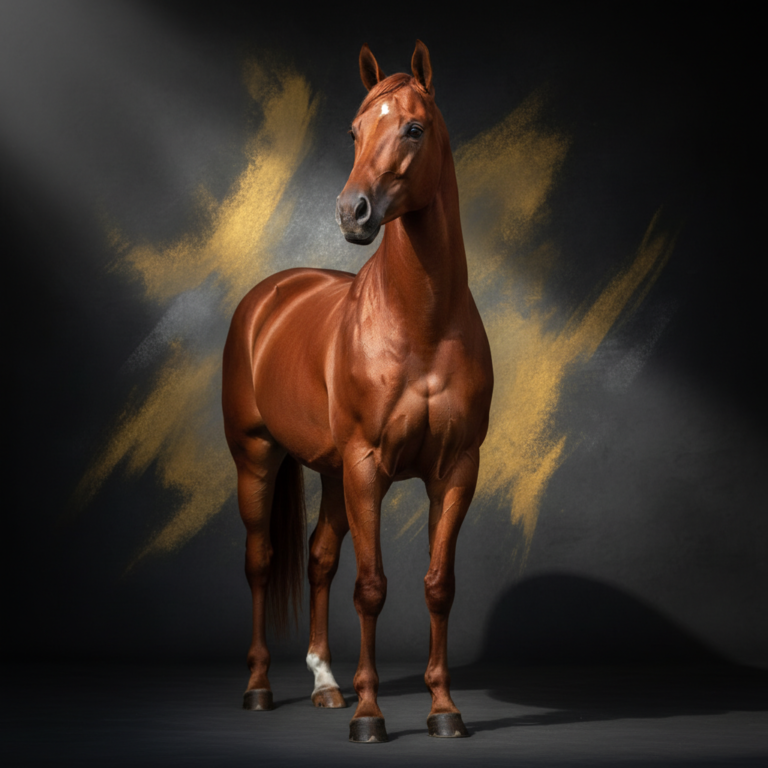
The Belgian Draft horse is truly the epitome of equine power. They are one of the largest and most muscular breeds in the world, renowned for their impressive size and robust build. Typically standing between 16.2 and 17 hands (66-68 inches) at the wither, some individuals can reach up to 18 hands or more.
Their weight is equally formidable, generally ranging from 1,800 to 2,200 pounds, with some mature stallions exceeding a ton. This immense stature is supported by a compact, broad, and deeply muscled frame. They boast a short, thick neck, powerful shoulders, a broad chest, a short back, and heavily muscled hindquarters, all contributing to their incredible pulling power.
[Image showing a full-body side view of a muscular Belgian Draft horse, highlighting its powerful shoulders and thick neck]
Their legs are strong and well-boned, designed to withstand immense strain. This signature powerful frame is central to their identity and capability.
2.2. Coat Colors and Markings: A Spectrum of Beauty
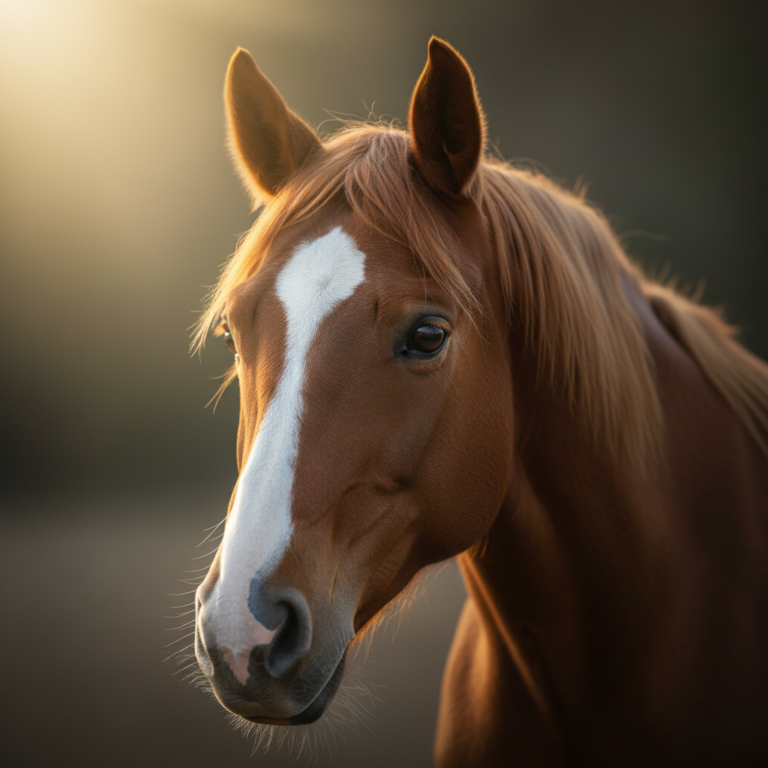
While their conformation is uniform, the Belgian Draft horse showcases a delightful spectrum of coat colors. The most common and characteristic colors are sorrel and chestnut, often accompanied by the striking flaxen mane and tail.
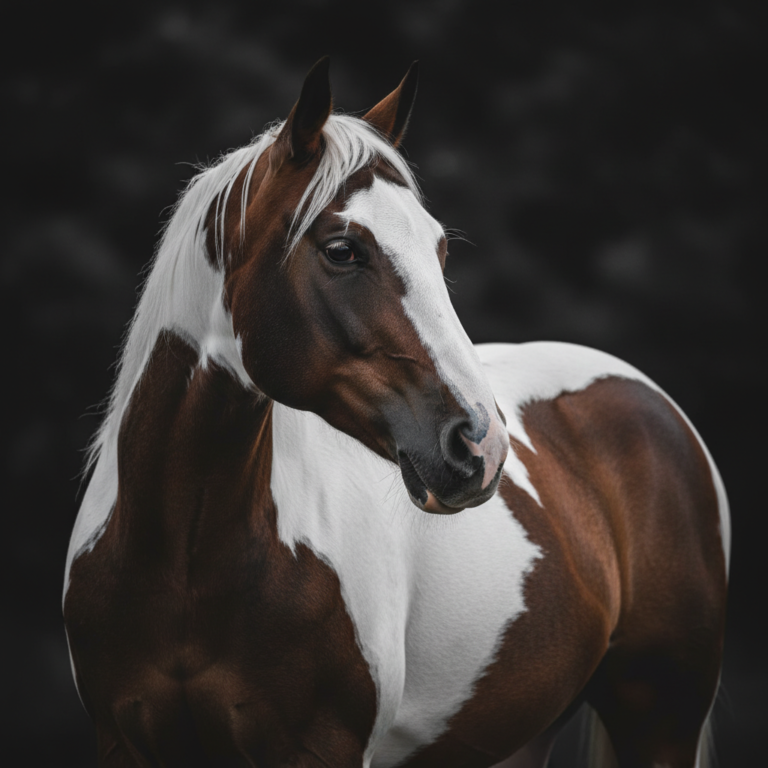
This combination creates a beautiful contrast and is arguably the most iconic look for the breed. Other recognized colors include roan (especially red roan), bay, and even black, though these are less prevalent.
[Image showing three Belgian Draft horses side-by-side to compare colors: a classic sorrel with flaxen mane, a red roan, and a bay]
White markings, such as a blaze or star on the face and white stockings on the legs, are also common and contribute to their distinguished appearance. While variations exist, the classic sorrel with flaxen mane and tail remains a beloved hallmark, instantly identifying the majestic Belgian Draft horse.
2.3. Distinctive Features: Feathering and Head Conformation
Beyond their impressive size and color, the Belgian Draft horse possesses other distinctive features. Unlike some other draft breeds with abundant “feathering” (long hair) on their lower legs, Belgians typically have minimal feathering, if any.
This trait not only contributes to a cleaner look but also often makes leg care somewhat simpler. Their head is proportionate to their body, featuring an intelligent and kindly expression.
They typically have a straight or slightly dished profile, with large, expressive eyes that convey their gentle nature. Their ears are relatively small and well-set, adding to their alert yet calm demeanor.
These subtle yet significant details all contribute to the majestic and powerful, yet approachable, appearance of the Belgian Draft horse.
2.4. Lifespan and General Health Considerations
The typical lifespan of a Belgian Draft horse ranges from 18 to 25 years, a good lifespan for such a large animal, often extending longer with excellent care. Like all large breeds, they are prone to certain health considerations.
Their considerable weight can put stress on joints, making conditions like arthritis a concern in older horses. Laminitis, a painful inflammatory condition of the hooves, can also be a risk, especially if their diet is not carefully managed.
Proper nutrition, regular exercise, and preventative veterinary care are paramount to managing these risks. Understanding these potential issues is the first step towards ensuring a long, healthy life for your gentle giant.
But what does “proper care” truly entail for an animal of this magnitude?

3. Nurturing the Giant: Essential Care Requirements for the Belgian Draft Horse
Due to their impressive size, Belgian Draft horses have specific care needs that differ significantly from smaller breeds. Proper husbandry is not just recommended; it is crucial for their health, longevity, and well-being.
3.1. Nutrition: Fueling the Gentle Giant
Fueling a Belgian Draft horse requires a comprehensive understanding of their unique dietary requirements. Given their immense body mass and often active lifestyles, they need a significant quantity and quality of feed. High-quality forage, such as hay or pasture, should form the cornerstone of their diet, provided in abundant amounts.
Forage intake can easily be 2-3% of their body weight daily, meaning a 2,000-pound Belgian could consume 40-60 pounds of hay per day. Depending on their workload, supplementary grains (like oats, barley, or commercially prepared feeds) may be necessary to meet their caloric and nutritional demands.
However, careful management is essential to prevent overfeeding and avoid metabolic issues like laminitis. Mineral and vitamin supplements, particularly those supporting joint health, are also often beneficial.
Monitoring their body condition score is critical to ensure they are receiving adequate, but not excessive, nutrition. Overfeeding can be as detrimental as underfeeding for these magnificent animals.
3.2. Housing: Providing Spacious Comfort
Accommodating the sheer size of a Belgian Draft horse demands specific housing considerations. Standard stalls designed for lighter horse breeds are simply too small. Stalls should be a minimum of 12×12 feet, with 14×14 feet or even 16×16 feet being preferable to allow them ample room to turn around, lie down comfortably, and stand up without striking their heads.
Stable doors need to be wider and taller, and ceilings higher than average. Fencing for pastures must be sturdy and robust, capable of containing a horse weighing over a ton. Heavy-duty wood, pipe, or high-tensile wire are often preferred over flimsy electric tape.
[Image showing a spacious 14×14 wooden horse stall with a high ceiling, suitable for a large draft breed]
Ample pasture space is crucial, not only for exercise but also to prevent boredom and stress, allowing them to graze naturally. Ensuring their living environment is safe, spacious, and well-maintained directly impacts their physical and mental health.
3.3. Health Management: Preventative Care for a Large Breed
Preventative health management is paramount for the Belgian Draft horse. Routine veterinary care, including annual check-ups and vaccinations, is essential. A meticulous deworming protocol tailored to your horse’s specific needs, often based on fecal egg count testing, is vital to prevent internal parasites.
Dental care is equally important; due to their constant chewing and the sheer size of their teeth, annual or bi-annual dental floats are often necessary to prevent sharp points and hooks from forming, which can interfere with proper mastication and digestion.
Particular attention must be paid to joint health, especially as they age, with supplements like glucosamine or chondroitin sometimes recommended. Laminitis remains a significant concern, requiring careful dietary management and avoidance of sudden changes in feed.
Professional hoof care is absolutely non-negotiable. Their large, powerful hooves require regular trimming and, if necessary, shoeing by a farrier experienced with draft breeds, typically every 6-8 weeks. Neglecting hoof care can lead to severe lameness and other serious health issues. A proactive approach to health can prevent many common ailments in this robust breed.
3.4. Grooming: Maintaining Their Grandeur
Maintaining the grandeur of a Belgian Draft horse involves a dedicated grooming routine. Their coats, while not excessively long, can accumulate dirt and debris, especially if they enjoy rolling. Regular currying and brushing are necessary to keep their skin healthy and coat gleaming.
Special attention should be paid to their manes and tails, which are often thick and luxuriant; daily detangling can prevent matting. Given their minimal feathering, their lower legs still require cleaning to prevent skin irritations, but they are generally less prone to conditions like ‘greasy heel’ compared to heavily feathered breeds.
Crucially, hoof picking should be a daily practice to remove packed dirt, stones, and debris, preventing sole bruises and infections. Regular grooming sessions also serve as an excellent opportunity to bond with your Belgian Draft horse and perform quick health checks.
But beyond their physical needs, what roles do these magnificent creatures play in the modern world?
4. More Than Muscle: Versatile Uses of the Belgian Draft Horse
While renowned for their strength, Belgian Draft horses are incredibly versatile, excelling in a variety of roles that extend far beyond traditional farm work. Their combination of power and gentle temperament makes them uniquely suited for diverse tasks.

4.1. Agriculture and Traditional Farming
Historically, the primary role of the Belgian Draft horse was in agriculture, and they continue to be invaluable in traditional farming. Their immense strength allows them to pull heavy plows, cultivators, and wagons with relative ease, making them a cornerstone of sustainable farming practices.
In an age of increasing environmental consciousness, many small farms and organic operations are rediscovering the efficiency and low-impact benefits of using draft horses instead of machinery. They can navigate smaller fields, work challenging terrains, and minimize soil compaction, contributing to healthier ecosystems.
Their steady pace and willingness to work make them ideal partners for logging operations, hauling timber out of forests with precision and care. They represent a living link to agricultural heritage, demonstrating how power and ecological responsibility can coexist.
4.2. Showing and Competition: From Halter to Hitch
The elegance and impressive presence of the Belgian Draft horse are celebrated in the show ring. They compete in various disciplines, showcasing both their conformation and their skills. Halter classes judge the horse’s physical characteristics against breed standards, emphasizing their powerful build, proportionate features, and overall presence.
However, it’s in the hitch competitions where their grace and coordinated power truly shine. Single, pair, four-horse, six-horse, and even eight-horse hitches are meticulously presented, with horses moving in unison, guided by skilled drivers.
The artistry involved in presenting these magnificent animals, with their polished harnesses and flowing manes and tails, is a sight to behold, demonstrating years of training and a deep bond between horse and handler. These competitions are a testament to the Belgian Draft horse’s trainability and quiet dignity.
4.3. Draft Horse Pulling Events: A Display of Raw Power
For those who appreciate pure, raw equine power, draft horse pulling events offer a thrilling spectacle. In these competitions, Belgian Draft horses demonstrate their incredible strength and endurance by pulling weighted sleds or dynamometers over a measured distance.
Teams of one or two horses are meticulously trained and conditioned for these events, where strategy, communication between horse and handler, and sheer physical might are all put to the test. It’s an intense display of the breed’s fundamental capability, showcasing why they were so essential for heavy work for centuries.
While demanding, ethical pulling events prioritize the safety and well-being of the horses, celebrating their natural ability in a competitive, yet respectful, environment.
4.4. Therapeutic Riding and Pleasure Riding
Despite their imposing size, the gentle and reliable nature of the Belgian Draft horse makes them surprisingly suitable for roles beyond heavy work. Their calm demeanor and steady gait can be incredibly beneficial in therapeutic riding programs, providing a stable and reassuring presence for individuals with physical, cognitive, or emotional challenges. Their broad backs also offer a secure platform. For pleasure riders, especially those who appreciate a relaxed pace and a dependable mount, a Belgian Draft horse can be an enjoyable partner. While not typically known for agility or speed, their comfortable gaits and unflappable temperament make them excellent for trail riding and leisurely hacks, offering a unique riding experience that contrasts sharply with lighter breeds.
4.5. Forestry and Sustainable Practices
In modern forestry, the Belgian Draft horse is experiencing a resurgence as an environmentally friendly alternative to heavy machinery. In sensitive ecosystems or areas where selective logging is practiced, their use offers a low-impact solution for extracting timber. Horses cause significantly less soil compaction than large logging equipment, reducing damage to tree roots and minimizing erosion. They can navigate dense forests and uneven terrain with precision, making them ideal for areas inaccessible to machines. This role highlights their adaptability and their contribution to sustainable resource management, demonstrating that sometimes, the oldest solutions are indeed the best. But what about the inner world of this majestic creature – what lies behind those intelligent eyes?
5. The Heart of the Horse: Temperament and Companionship
Perhaps the most endearing quality of the Belgian Draft horse is its gentle, willing temperament, making it an exceptional companion that truly lives up to its “gentle giant” moniker.

5.1. The ‘Gentle Giant’ Persona: Docility and Kindness
The reputation of the Belgian Draft horse as a ‘gentle giant’ is well-earned and universally acknowledged. Despite their immense power and size, they are renowned for their calm demeanor, patience, and remarkably kind nature. This inherent docility makes them approachable and manageable, even for those less experienced with large horses. They possess a quiet confidence that rarely translates into aggression or skittishness. Their placid temperament allows them to remain composed in various situations, whether working in a busy field, performing in a show, or simply interacting with people. This fundamental kindness is what allows them to build strong, trusting relationships with their handlers and owners, defying any preconceived notions one might have about such a powerful animal.
5.2. Trainability and Intelligence
Beyond their gentleness, Belgian Draft horses are also highly intelligent and possess an eagerness to please that makes them remarkably trainable. They are quick learners and respond well to consistent, patient training methods. Whether being trained for complex hitch work, agricultural tasks, or simple pleasure riding, their attentiveness and willingness to cooperate are standout traits. This intelligence, coupled with their calm disposition, allows them to master various disciplines and tasks, making them versatile partners. Their ability to understand and execute commands with precision is a testament to their sharp minds and good nature, consistently impressing those who work with them.
5.3. Suitability as Family Horses and Companions
For families seeking a reliable and affectionate equine companion, the Belgian Draft horse stands out. Their reliability and gentle nature make them excellent family horses, suitable for supervised children and adults alike. They often form strong bonds with their human caretakers, demonstrating a loyalty and affection that endears them to all who know them. Their calm presence can be incredibly reassuring, making them wonderful therapy horses or simply a steady, comforting presence in the pasture. While their size always warrants respect and proper handling, their inherent good nature minimizes many of the behavioral challenges sometimes seen in more excitable breeds. They truly are companions in the truest sense of the word, offering unwavering friendship.
5.4. Building a Bond with a Belgian Draft Horse
Fostering a strong relationship with a Belgian Draft horse involves consistent, respectful handling and a deep understanding of their individual personalities. Like all horses, they thrive on routine and clear communication.
Spending quality time with your Belgian, whether through grooming, groundwork, or simply quiet moments in the pasture, helps build trust and mutual respect. Positive reinforcement works wonders with this intelligent and willing breed.
Understanding that beneath their powerful exterior lies a sensitive and affectionate spirit is key to unlocking the full potential of your bond. The investment of time and patience will be repaid many times over with the loyalty and companionship of these magnificent animals.
So, after exploring their journey through history, their distinctive features, their specific care, and their varied roles, what lasting impact does the Belgian Draft horse leave on the world?
The Enduring Majesty of the Belgian Draft Horse
From the ancient battlefields of Europe to the modern show ring and serene pastures, the Belgian Draft horse has consistently proven itself to be a creature of extraordinary merit. Its unparalleled strength, combined with a remarkably gentle and intelligent temperament, has secured its place as one of the world’s most cherished equine breeds.
We’ve explored their captivating history, tracing their lineage from medieval warhorses to the refined giants of today, and delved into their defining physical characteristics that make them instantly recognizable. We’ve understood the specialized care essential for their well-being, from tailored nutrition to spacious housing and vigilant health management.
Furthermore, we’ve seen their diverse roles, transitioning from tireless workers in agriculture and forestry to competitive athletes and beloved companions. The Belgian Draft horse is more than just a large animal; it represents a living legacy of agricultural heritage, a testament to selective breeding, and a heartwarming example of nature’s capacity for power and grace coexisting harmoniously.
For horse enthusiasts, prospective owners, and anyone captivated by the majesty of these ‘gentle giants,’ the Belgian Draft horse continues to inspire awe and deep affection, truly standing as a cornerstone of the equine world for generations to come, a powerful symbol of enduring loyalty and gentle strength.
📚 References
- Learn about breed registration at the Belgian Draft Horse Corporation of America.
- Explore the history of the breed via the International Museum of the Horse.
- Official heritage and genetic information at The Livestock Conservancy.