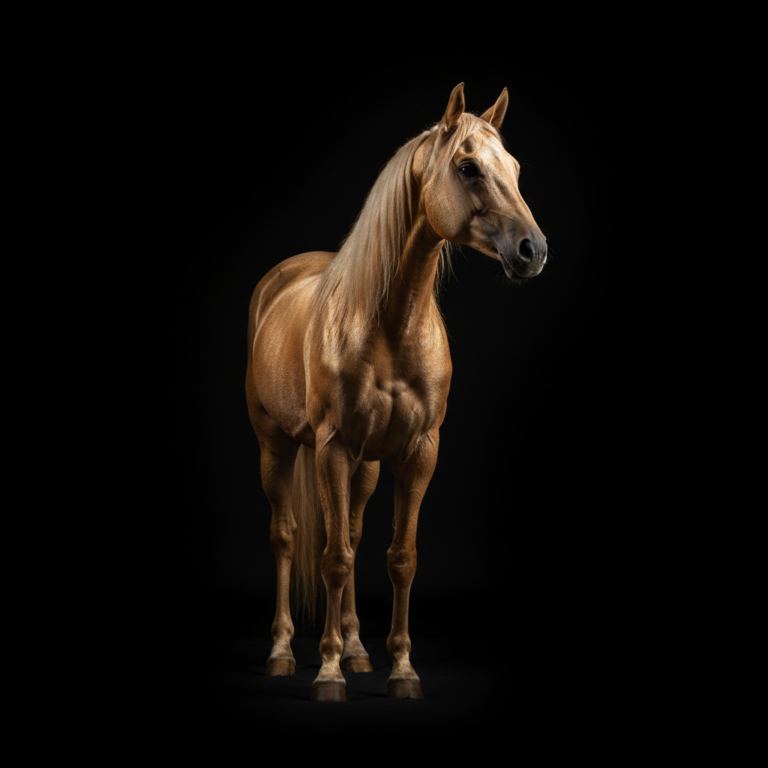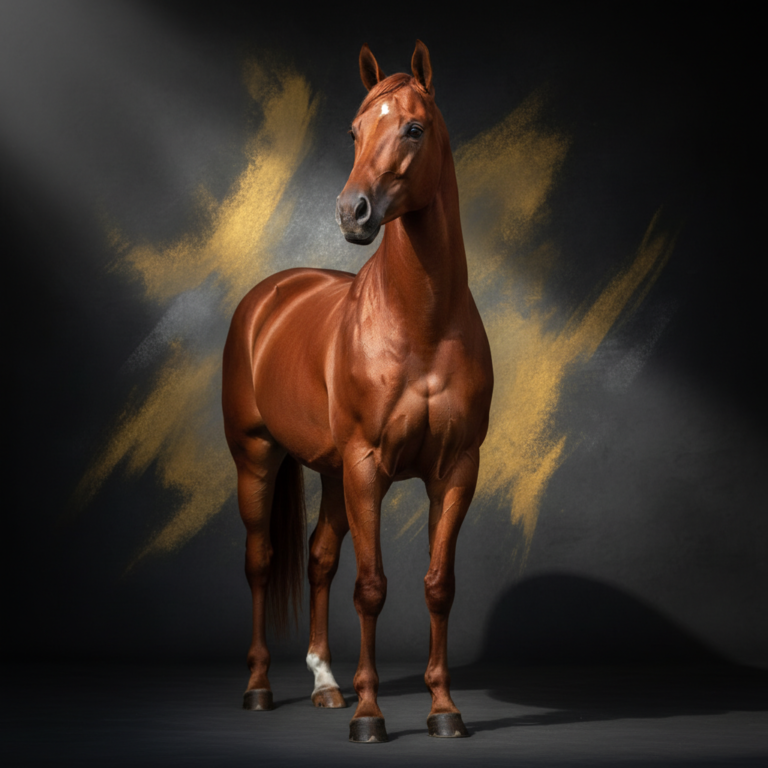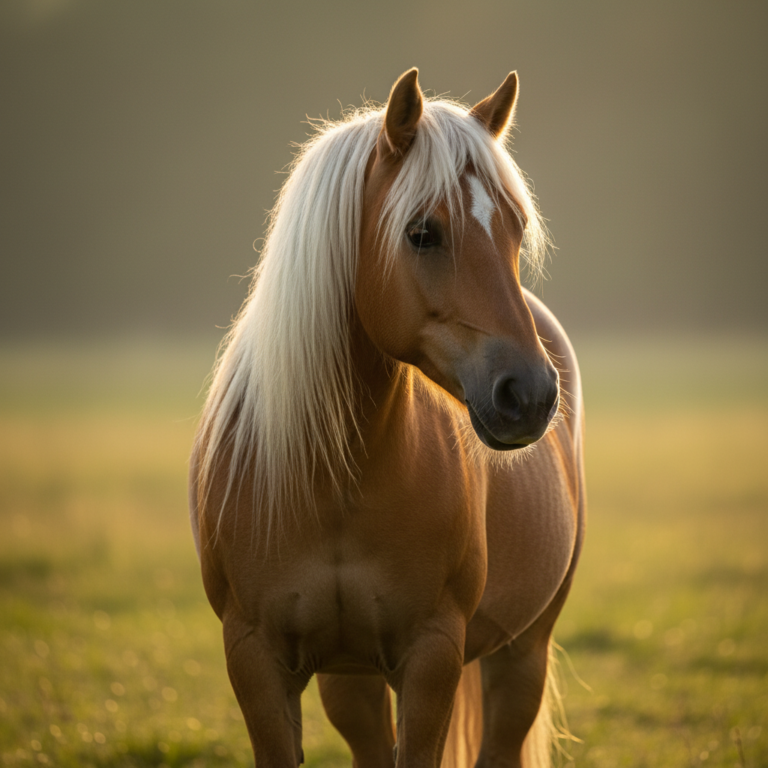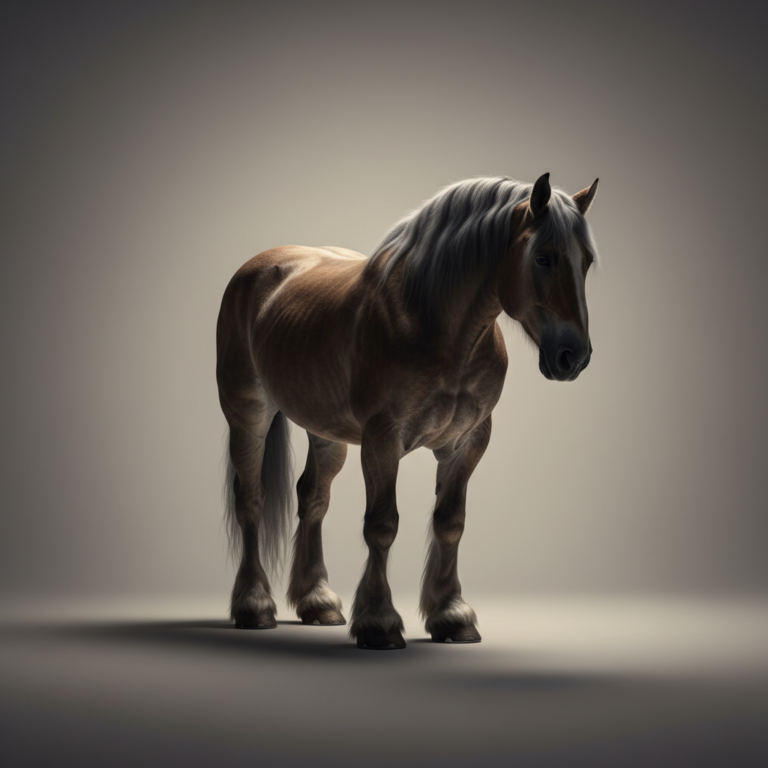

The Unbridled Spirit of the Mustang Horse: A Symbol of American Wilderness
Table of Contents
The Galloping Ghost of the American West
The thought of America’s wild horses disappearing isn’t just a concern for activists; it’s a direct assault on the very spirit of the West. To imagine the vast, untamed landscapes stripped of these iconic creatures, their thundering hooves silenced forever, is to confront a profound loss a pain point for anyone who cherishes freedom and natural heritage.
This visceral fear underscores the magnetic allure and enduring mystique of wild horses thundering across untamed landscapes, a spectacle that has captivated humanity for centuries. Among them, the Mustang horse stands as an iconic symbol of American heritage, embodying freedom, resilience, and an unwavering connection to the land.
Yet, behind their majestic facade lies a challenging past and an uncertain future. These magnificent animals, direct descendants of Spanish explorers’ mounts, have navigated centuries of changing landscapes, human encroachment, and contentious debates over their place in modern America.
Their story is one of survival against the odds, a testament to their inherent strength and adaptability. This article will explore the rich history, unique characteristics, pressing conservation challenges, and vital opportunities for public involvement that define the story of the Mustang horse, emphasizing their urgent need for responsible management and protection.
How did these magnificent creatures come to embody such resilience, and what defines their unique identity?
A Legacy Forged in Freedom: The Mustang Horse’s Journey Through History
The history of the Mustang horse is inextricably linked to the narrative of the American continent itself. Their presence in the wild predates many modern landmarks, tracing a lineage back to some of the earliest European arrivals. This deep historical root establishes them not merely as wild animals, but as living artifacts, embodying centuries of migration, adaptation, and survival.
From Spanish Shores to American Plains: The Origins of the Mustang
To truly understand the Mustang horse, one must journey back to the 16th century when Spanish conquistadors first set sail for the New World. Figures like Hernán Cortés and Francisco Coronado brought with them horses that were a blend of Iberian breeds Andalusians, Barbs, and Arabians.
These were not just beasts of burden; they were instruments of conquest, symbols of power, and crucial for exploration. It’s from these majestic, well-bred equines that the Mustang’s story begins.
Through various means escape from missions, raids by Native American tribes, or being abandoned these horses found their freedom on the vast, fertile plains of North America. They rapidly adapted to the continent’s diverse ecosystems, from arid deserts to expansive grasslands.
The absence of natural predators for adult horses and abundant forage allowed them to proliferate at an astonishing rate. This phenomenon led to the birth of the truly wild horse populations that would eventually be known as Mustangs.
Their impact on the continent, particularly on Native American cultures, was profound. Tribes like the Comanche and Lakota quickly mastered horsemanship, transforming their hunting, warfare, and nomadic lifestyles.
The horse became central to their spiritual beliefs and social structures, enabling them to expand territories and hunt buffalo more effectively. This symbiotic relationship solidified the horse’s place in the mythology of the American West.
The descendants of these Spanish horses, having survived and thrived in the wild for generations, developed an unparalleled hardiness and an intrinsic understanding of their environment. How did these hardy descendants adapt so perfectly to their new home, and what physical traits allowed them to endure?
Characteristics That Define the Wild: What Makes a Mustang Unique?
The Mustang horse is not a specific breed in the traditional sense, but rather a type of free-roaming horse whose unique characteristics are shaped by generations of natural selection in often harsh environments. This makes them distinct from their domesticated counterparts, embodying traits essential for survival in the wild.
Physical Attributes: Built for Survival
Mustangs are renowned for their robust and athletic build, a testament to their need for self-sufficiency. While their appearance can vary widely due to their diverse genetic heritage (reflecting their Spanish, and later, other domestic horse ancestors), several common physical attributes stand out.
They typically possess strong, sturdy legs and hard, well-formed hooves that require no shoeing, perfectly adapted to traversing rugged, rocky terrain. Their deep chests indicate strong lung capacity, vital for long distances and bursts of speed.
Many exhibit a compact, muscular frame, demonstrating incredible endurance and agility, crucial for escaping predators or navigating challenging landscapes. Their coats come in a kaleidoscope of colors, from bays, blacks, and chestnuts to more exotic hues like roans, grullas, and duns.
Often, you’ll see primitive markings such as dorsal stripes, zebra stripes on their legs, or cobwebbing on their foreheads remnants of their ancient ancestry. The average Mustang horse stands between 13.2 and 15 hands tall, weighing between 700 and 1,000 pounds.
These figures can vary significantly depending on local forage availability and specific herd genetics. Their keen senses and alertness are also key physical adaptations, allowing them to detect danger from afar. Beyond their physical resilience, what complex social structures govern their lives in the wild?
Social Structure and Behavior: The Wild Herd Dynamics
Life in a wild Mustang herd is governed by a complex and highly organized social structure designed for protection and survival. The basic unit is the “family band,” typically consisting of a dominant stallion, several mares, and their offspring. Bachelor stallions, usually younger males or those without a band, often form their own smaller groups.
The lead mare is arguably the most crucial member of the family band. She is typically the oldest and most experienced mare, possessing invaluable knowledge of the territory’s best grazing areas, water sources, and safe havens from danger. It is her wisdom that guides the herd’s movements and ensures their survival. The dominant stallion, while often perceived as the leader, primarily serves as the protector. He guards his band fiercely against rival stallions and predators, ensuring the mares can reproduce and raise their foals in relative safety. His role is less about leading and more about defending the path the lead mare chooses.
Communication within these herds is sophisticated, relying on a combination of subtle body language, vocalizations, and scent marking. A flick of an ear, a specific posture, or a soft nicker can convey intricate messages. Foals learn these nuanced behaviors from birth, integrating into the herd’s established hierarchy. Mustangs are also highly intelligent and adaptable, displaying remarkable problem-solving skills when faced with environmental challenges. Their herd dynamics are a masterclass in natural cooperation, allowing them to navigate the vast, unpredictable wilderness. Despite their innate strength and intelligence, these magnificent animals face existential threats unlike any other.
The Battle for Survival: Conservation Challenges and Controversies
The story of the Mustang horse in modern America is largely one of contention and conservation crisis. While admired as symbols of freedom, their presence on public lands has ignited fierce debates, pitting various interests against each other and leaving the future of these iconic animals uncertain.

Overpopulation vs. Overgrazing: The Core Dilemma
At the heart of the conservation debate is the question of “overpopulation.” The Bureau of Land Management (BLM), which manages the majority of wild horses and burros on public lands, asserts that Mustang populations are growing too rapidly.
They claim these numbers exceed the “Appropriate Management Levels” (AMLs) set for Herd Management Areas (HMAs). The BLM contends that this leads to overgrazing, habitat degradation, and competition with native wildlife and livestock for scarce resources.
The perceived result is an ecological imbalance that harms the land and all who depend on it. However, many wild horse advocates and independent scientists challenge this narrative.
They argue that the term “overpopulation” is misleading and often used to justify removals. They point out that cattle and sheep permitted to graze on the same public lands far outnumber wild horses, suggesting livestock grazing is a more significant contributor to land degradation.
Furthermore, advocates argue that AMLs are often set artificially low, failing to account for the actual carrying capacity of the land or the ecological role wild horses play. This fundamental disagreement forms the core dilemma in Mustang conservation.
Is the Mustang horse truly overpopulated, or are other factors primarily responsible for the strain on public lands? With such contentious debates around their numbers, how are authorities currently managing these wild populations, and what impact do these methods have?
Management Strategies: Roundups, Adoptions, and Fertility Control
To address the perceived overpopulation, the BLM employs a range of management strategies, each with its own set of controversies and challenges.
* Roundups (Gathers): The most visible and contentious method is the roundup, or gather. Using helicopters and wranglers, horses are driven into corrals, separated from their families, and removed from the wild. While the BLM states these are necessary to prevent starvation and protect the land, advocates condemn them as traumatic, inhumane, and often resulting in injuries or deaths for the horses. The cost of these operations is also substantial, raising questions about financial sustainability.
* Adoption and Sale Program: Horses removed from the wild are offered for adoption to qualified individuals, or, if unadopted after multiple attempts, can be sold to individuals who must agree to specific welfare conditions. The goal is to find responsible, long-term homes. However, the program struggles to keep pace with the number of horses removed, leading to a backlog. Many horses end up in short-term or long-term holding facilities, living in pens, which critics refer to as “warehousing” America’s wild heritage, costing taxpayers millions annually. The ultimate fate of some adopted or sold horses has also been a concern for welfare groups.
* Fertility Control (PZP): A more humane and widely supported alternative is the use of fertility control vaccines, primarily PZP (porcine zona pellucida). Administered via dart gun, PZP temporarily prevents mares from conceiving, slowing population growth without removing horses from their habitat. This method allows horses to remain wild, maintaining their social structures and natural behaviors. While highly effective and considered the most ethical option by many, PZP application requires significant logistical effort, including identifying and darting individual mares, which can be challenging across vast, remote HMAs. The cost and scalability of consistent darting programs remain hurdles, yet it offers the most promising path for long-term, non-lethal management.
These management strategies represent a constant tightrope walk between ecological concerns, public opinion, and the welfare of the animals themselves. Given these complex challenges and the emotional weight of their situation, what roles can individuals and organizations play in securing a brighter future for the Mustang horse?
A Call to Action: Protecting the Mustang Horse for Future Generations
The future of the Mustang horse is not solely in the hands of government agencies; it is a shared responsibility that calls for public involvement, advocacy, and a commitment to innovative, sustainable solutions. Their survival hinges on a collective understanding and appreciation of their value.

The Importance of Public Involvement and Advocacy
Public involvement is a critical catalyst for change in Mustang conservation. Grassroots organizations and non-profits, such as the American Wild Horse Campaign, Return to Freedom Wild Horse Sanctuary, and numerous local advocacy groups, play an invaluable role. They conduct independent research, monitor roundups, rescue and rehabilitate horses, run adoption programs, and, crucially, lobby for more humane and scientifically sound management policies.
There are many ways for individuals to contribute:
* Volunteering: Offering time to sanctuaries or advocacy groups helps with direct horse care, administrative tasks, or outreach.
* Donations: Financial support enables organizations to continue their crucial work, from veterinary care to legal challenges.
* Adopting or Fostering: Providing a home for a wild Mustang not only gives an individual horse a chance at a new life but also frees up space and resources in holding facilities.
* Education and Awareness: Sharing accurate information with friends, family, and social networks helps to dispel myths and build a broader base of support.
* Advocacy: Contacting elected officials and expressing support for humane, scientifically-based management methods can influence policy.
* Responsible Tourism: Observing wild horses ethically in their natural habitat, from a respectful distance, can contribute to local economies and foster appreciation for these animals without disturbing them.
The collective voice of concerned citizens has historically been instrumental in protecting wild horses, and it remains the most powerful force for change. Beyond direct action, what does a truly sustainable future for the Mustang horse look like, and how can we collectively achieve it?
Towards a Sustainable Future: Innovative Solutions and Coexistence
Achieving a sustainable future for the Mustang horse requires moving beyond the current conflict-driven narrative and embracing innovative solutions rooted in science, collaboration, and a commitment to coexistence. This involves a multi-faceted approach:
* Balanced Land Management: A critical step is to implement comprehensive land management plans that accurately assess the carrying capacity of public lands, taking into account all stakeholders native wildlife, wild horses, and livestock and prioritizing ecological health. This means revisiting and potentially revising AMLs based on current, unbiased scientific data.
* Expanding Fertility Control: Significantly expanding the use of proven fertility control methods like PZP is paramount. This strategy allows horses to remain in the wild, maintaining their natural social structures, while managing population growth in a humane and cost-effective manner over the long term. Investing in research for even more efficient and longer-lasting contraceptives is also vital.
* Retirement to Sanctuaries: For horses removed from the wild, increasing support for accredited sanctuaries and large, natural pastures can provide a more humane alternative to long-term holding facilities, allowing them to live out their lives in conditions that more closely mimic their wild origins.
* Valuing Wild Horses: Recognizing the inherent value of the Mustang horse not just as a symbol, but for its ecological role in seed dispersal and maintaining biodiversity, and its economic benefit through ecotourism is crucial. Promoting responsible wildlife viewing opportunities can generate revenue that can be reinvested into conservation efforts.
* Collaboration and Dialogue: Fostering genuine dialogue and collaborative efforts between government agencies, conservation groups, livestock producers, and other land users is essential. Finding common ground and working towards mutually beneficial solutions will be key to long-term success.
The vision for coexistence is one where wild horses thrive in healthy ecosystems, managed responsibly and sustainably, as integral components of the American landscape, not as problems to be solved.
The Enduring Legacy: Why the Mustang Horse Remains a Wild Icon
The Mustang horse stands as an enduring symbol of America’s wild heart, embodying resilience, freedom, and an unbreakable spirit. Their journey from Spanish origins to the vast Western plains is a testament to their strength and adaptability, yet their future remains precarious.

Plagued by complex challenges stemming from historical land use, contentious management practices, and ongoing debates over their place on public lands, the Mustang horse faces an urgent need for responsible management and protection.
The choices we make today will determine whether these magnificent animals continue to gallop freely across our landscapes or become a relic of a forgotten past. By understanding their history, appreciating their unique characteristics, and engaging actively in their conservation through advocacy, public involvement, and support for innovative solutions like fertility control, we can safeguard their legacy.
The Mustang horse is more than just an animal; it is a living embodiment of our nation’s wild heritage. Their survival is not just about preserving a species; it’s about preserving a part of ourselves a commitment to freedom, wilderness, and the unbridled spirit they represent.
Their future, as ever, depends on our collective commitment to securing their place in the American wilderness for generations to come.
📚 References
- Learn more about wild horse protection at the American Wild Horse Conservation (AWHC).
- Detailed history of the breed via Encyclopaedia Britannica.
- Information on herd management and AMLs at the Bureau of Land Management (BLM).