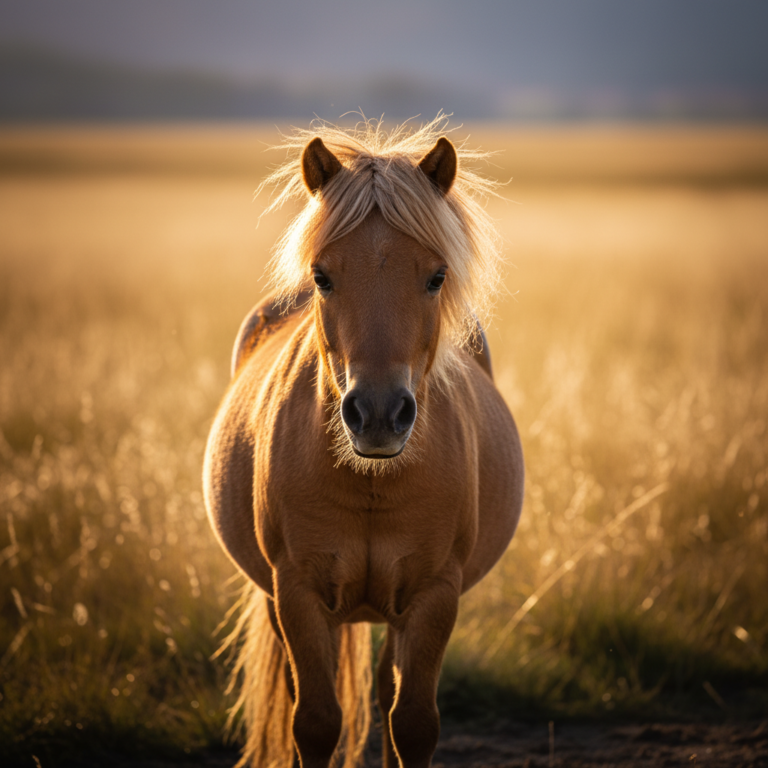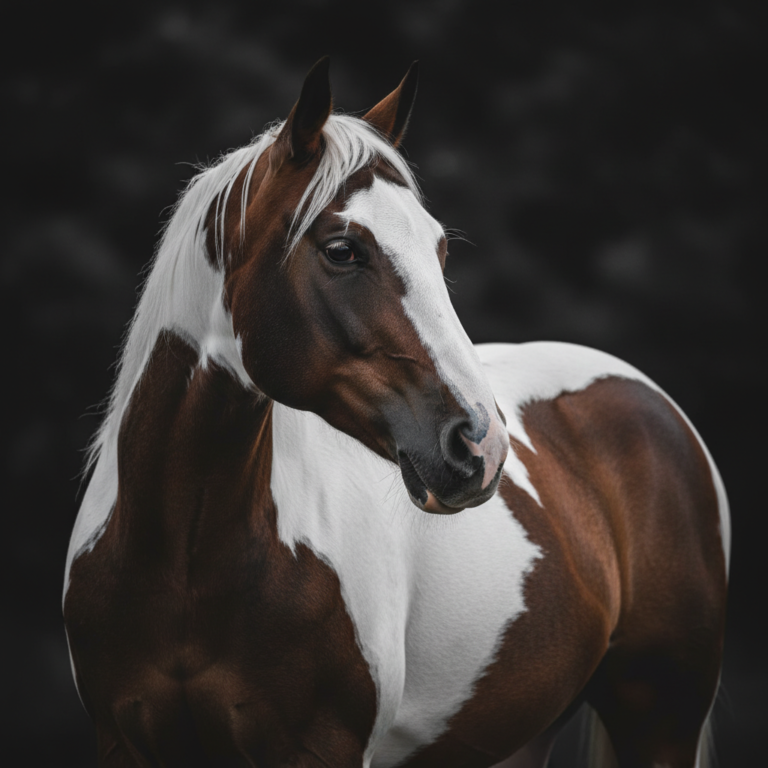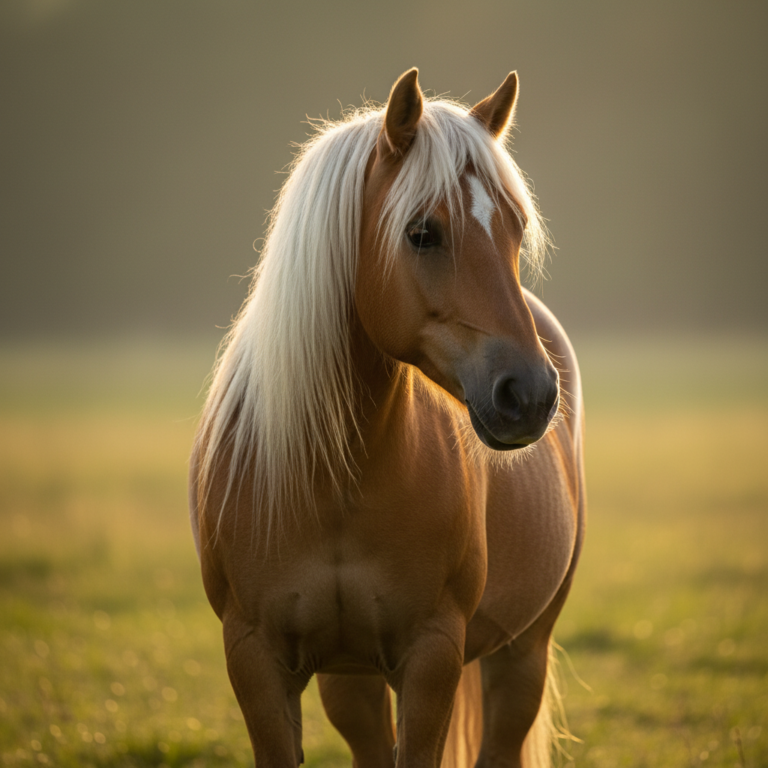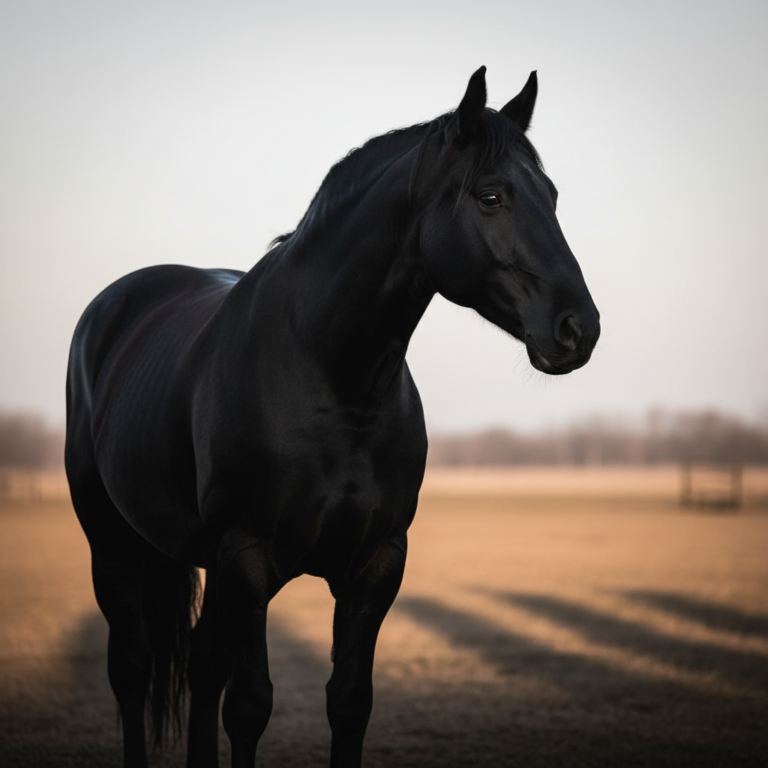

The Tennessee Walking Horse: Your Ultimate Guide to Understanding, Owning, and Loving This Gentle Gaited Breed
Are you tired of jarring trots and uncomfortable rides that leave you stiff and longing for a smoother experience? Do you dream of an equine partner known not just for its beauty, but for a temperament that welcomes riders of all ages and skill levels? If you’ve been searching for a horse that combines unparalleled comfort with a calm, willing disposition and remarkable versatility, you understand the frustration of finding the perfect match.
Table of Contents
The Legacy of Comfort and Charm
The Tennessee Walking Horse stands out not just for its elegant appearance, but for its legendary smooth gaits and gentle disposition. If you’re seeking an equine partner renowned for comfort and versatility, you’ve arrived at the ultimate resource. This comprehensive guide will explore everything from its fascinating history and unique ‘running walk’ to essential care, training, and the joy of ownership. Prepare to discover why this breed is cherished by enthusiasts worldwide and how to find your perfect Tennessee Walking Horse.
Unearthing the Roots: The Rich History of the Tennessee Walking Horse
The story of the Tennessee Walking Horse is deeply intertwined with the agricultural and social history of the American South. This breed wasn’t merely developed for aesthetic appeal; it was a carefully cultivated response to a practical need, shaping its defining characteristics from the very beginning.
From Southern Plantations to National Recognition
The origins of the Tennessee Walking Horse trace back to the mid-19th century in the fertile central basin of Tennessee. Here, wealthy plantation owners and farmers required a sturdy, comfortable, and willing horse that could transport them across vast acreages for long hours, often inspecting crops or livestock. These horses needed to cover ground efficiently without tiring their rider, possess a gentle nature, and be capable of light farm work when needed.
To achieve this, breeders selectively crossed various foundational breeds. The primary influences included the Narragansett Pacer, the Canadian Pacer, the Standardbred, the Morgan, and the American Saddlebred. The goal was to combine the best traits: the pacer’s smooth gaits, the Morgan’s stamina and good looks, and the Saddlebred’s elegance and willingness. This deliberate blending created a new type of horse known as the “Southern Plantation Walking Horse,” a predecessor to the modern breed.
The formal recognition of the Tennessee Walking Horse as a distinct breed came in 1935 with the establishment of the Tennessee Walking Horse Breeders’ Association of America (TWHBEAA). This marked a pivotal moment, standardizing the breed’s characteristics and creating a registry that would preserve its unique lineage. From its regional roots, the Tennessee Walking Horse rapidly gained national prominence, admired not just by farmers but by recreational riders and show enthusiasts alike for its unique attributes.
Key Bloodlines and Founding Sires
The development of the Tennessee Walking Horse owes much to a handful of influential stallions whose genetics laid the bedrock for the breed’s defining characteristics.
* Black Allan (foaled 1886, TWHBEA No. 76): Widely considered the undisputed foundation sire, Black Allan was a descendant of the Hambletonian line of Standardbreds, with a strong infusion of Morgan blood. Despite being registered as a Standardbred, he possessed an innate ability to perform a comfortable, four-beat gait rather than the typical harness trot. While initially a disappointment as a trotter, his natural walking gaits made him invaluable for breeding plantation horses. He passed on his smooth gait, intelligence, and docile temperament to his offspring, creating the mold for future generations of Tennessee Walking Horses.
* Roan Allen (foaled 1904, TWHBEA No. 7601): A direct son of Black Allan, Roan Allen further solidified the breed’s characteristics. He was known for his striking roan color, exceptional gaits, and strong conformation. Roan Allen was instrumental in demonstrating the prepotency of Black Allan’s bloodline, ensuring that the unique gait and temperament became firmly established within the breed.
* Merry Boy (foaled 1928, TWHBEA No. 7600): A grandson of Roan Allen, Merry Boy became one of the most famous stallions in the breed’s history, producing numerous champions and significantly influencing the modern Tennessee Walking Horse. His offspring continued to excel in both show and pleasure riding, reinforcing the breed’s versatility and appeal.
These founding sires, through careful selective breeding, established the genetic blueprint for the Tennessee Walking Horse, ensuring that the qualities cherished by early plantation owners and modern equestrians alike would continue for generations.
The Evolution of a Gaited Icon
From its utilitarian beginnings, the Tennessee Walking Horse has continually evolved, adapting to new roles while retaining its core identity. Initially bred for practical purposes, its unique comfort quickly made it a favorite for pleasure riding. The smooth “running walk” distinguished it from other breeds, creating a niche market for riders seeking a less jarring experience.

The mid-20th century saw the rise of the Tennessee Walking Horse in the show ring. Competitions emerged to showcase the breed’s distinctive gaits and elegant presence, leading to a focus on specific conformation and gait styles. This era also brought about challenges, as some training methods aimed to exaggerate the natural gaits for competitive advantage, leading to welfare concerns. However, dedicated advocates within the breed have worked tirelessly to promote ethical horsemanship, emphasizing natural ability and the inherent soundness of the Tennessee Walking Horse.
Today, the Tennessee Walking Horse stands as a testament to thoughtful breeding and historical adaptation. It continues to be celebrated for its gentle nature, smooth gaits, and versatility, appealing to a broad spectrum of riders from competitive equestrians to casual trail enthusiasts. Understanding this rich history provides a vital context for appreciating the magnificent animal the Tennessee Walking Horse has become, but what exactly makes its signature gait so unique? Let’s dive into the mechanics of the running walk.
The Signature Gait: Understanding the Tennessee Walking Horse’s Running Walk
The defining characteristic of the Tennessee Walking Horse is undeniably its smooth, four-beat gaits, particularly the iconic running walk. This isn’t just a slight variation of a trot; it’s an entirely different way of moving that sets the breed apart and offers an unparalleled riding experience.
Anatomy of the Running Walk: Smoothness Redefined
The running walk is a natural, inherited gait unique to the Tennessee Walking Horse. It’s an accelerated version of the flat walk, retaining the same four-beat rhythm but covering more ground with greater speed. Let’s break down its mechanics:
* Four-Beat Rhythm: Unlike the two-beat trot or the three-beat canter, the running walk is a distinct four-beat lateral gait. This means each foot hits the ground independently and at separate intervals: right hind, right front, left hind, left front. The sound often described is a distinct “one-two-three-four,” rather than the “one-two” of a trot.
* Overstride: A hallmark of a good running walk is the overstride. This occurs when the horse’s hind foot steps into or even *beyond* the track left by the corresponding front foot. In an exceptional running walk, the hind foot can overstride the front print by several inches. This elongated stride is a major contributor to the gait’s incredible smoothness and ground-covering ability.
* Head Nod: The head nod is another characteristic feature. As the horse performs the running walk, its head and neck will nod in rhythm with the hind legs. This isn’t a sign of lameness but rather a natural counterbalance that helps the horse maintain its balance and rhythm during the gait.
* Speed and Comfort: The running walk is faster than a standard walk, typically reaching speeds of 6 to 10 miles per hour, making it an ideal gait for covering long distances comfortably. The rider experiences very little vertical motion, often described as feeling like they are “gliding.” This sensation of effortless movement is what draws so many to the Tennessee Walking Horse.
Beyond the Running Walk: Flat Walk and Canter Explained
While the running walk is iconic, the Tennessee Walking Horse also performs other comfortable gaits:
* Flat Walk: This is the slower, foundational gait from which the running walk develops. Like the running walk, it’s a four-beat lateral gait with each foot hitting the ground independently. The difference lies primarily in speed and overstride. The flat walk is executed at a slower pace, typically 4-6 mph, with less overstride. It’s a very collected and rhythmic gait, often used as a warm-up or cool-down, and provides an incredibly smooth ride even at a slower pace.
* Canter: The Tennessee Walking Horse also performs a collected, rocking-chair canter. This is a three-beat gait, just like in other breeds, but Walkers typically have a very comfortable, balanced canter that is often described as feeling like floating. They are not known for fast, extended gallops like racing breeds, but rather a more relaxed and comfortable canter suited for pleasure riding and trails.
The absence of a jarring trot is a key advantage of the Tennessee Walking Horse. Instead of the two-beat diagonal gait that can be uncomfortable for many riders, Walkers offer a continuous flow of smooth, lateral motion, making for a much more enjoyable experience.
Why This Gait Offers an Unparalleled Riding Experience
The combination of the running walk, flat walk, and comfortable canter makes the Tennessee Walking Horse a truly exceptional riding partner.

* Ultimate Comfort: For riders who experience back pain, joint issues, or simply prefer a less physically demanding ride, the smooth, non-jarring gaits of the Tennessee Walking Horse are a revelation. The horse absorbs most of the impact, allowing the rider to relax and enjoy the scenery.
* Endurance for Rider and Horse: The efficiency of the gaits allows both horse and rider to cover significant distances without excessive fatigue. This makes the Tennessee Walking Horse an ideal trail companion for long excursions.
* Versatility: The ability to smoothly transition between a relaxed flat walk, an energetic running walk, and a comfortable canter provides immense versatility for various riding disciplines, from leisurely trail rides to competitive gaited classes.
* Confidence Building: For novice riders, those returning to riding after a break, or individuals with a fear of speed or discomfort, the inherent smoothness and gentle nature of the Tennessee Walking Horse can be incredibly confidence-building.
Understanding the mechanics and benefits of these signature gaits is crucial for appreciating the Tennessee Walking Horse. But how do you go about finding and bringing home such a remarkable animal? The next section will guide you through the essential steps to acquiring your dream Tennessee Walking Horse.
Bringing Home Your Dream Tennessee Walking Horse: A Comprehensive Buyer’s Guide
Acquiring a Tennessee Walking Horse is an exciting prospect, but it requires careful consideration and due diligence. A well-informed buying process ensures you find a horse that is not only healthy and well-suited to your needs but also lives up to the breed’s reputation for comfort and temperament.
What to Look For: Temperament, Conformation, and Gait Assessment
When evaluating a prospective Tennessee Walking Horse, several key factors should be at the forefront of your assessment:
* Temperament: This is paramount, especially if you’re a beginner or seeking a family horse. Look for a horse that is:
* Calm and Gentle: The Tennessee Walking Horse is renowned for its docile nature. Observe how the horse reacts to new stimuli, strangers, and handling.
* Willing and Responsive: A good Tennessee Walking Horse should be eager to please, attentive to its handler, and respond kindly to aids.
* Confident, Not Spookish: While all horses can be startled, excessive nervousness or an overly reactive demeanor might indicate a horse that isn’t typical of the breed’s gentle reputation.
* Conformation: Good conformation is essential for soundness, longevity, and the ability to perform the characteristic gaits. Look for:
* Well-Muscled Build: A balanced, athletic build, reflecting its history as a working horse.
* Strong, Correct Legs: Straight legs with good bone, appropriate angles in the hocks and pasterns, and healthy feet are crucial. Avoid horses with major conformational faults that could predispose them to lameness.
* Refined Head and Neck: A clean, intelligent head with bright eyes, and a graceful, well-set neck that facilitates natural carriage and gait.
* Gait Assessment: This is where the Tennessee Walking Horse truly shines. When observing the horse under saddle or on a lunge line:
* Smoothness: The most critical aspect. The running walk should feel effortless and balanced, with minimal bounce for the rider.
* Rhythm and Regularity: The gaits (flat walk, running walk, canter) should be even and consistent, without stumbling or hesitation.
* Overstride and Head Nod: Look for a clear overstride in the running walk and the characteristic rhythmic head nod.
* Natural Ability: Ideally, the horse should perform its gaits naturally and willingly, rather than appearing forced or uncomfortable.
Always ride the horse yourself in various settings if possible (arena, trail) to truly experience its gaits and temperament firsthand.
Navigating the Market: Reputable Breeders, Rescues, and Sellers
Finding the right Tennessee Walking Horse involves knowing where to look and how to evaluate sellers:
* Reputable Breeders:
* Experience and Reputation: Seek out breeders with a long-standing history and a good reputation within the Tennessee Walking Horse community.
* Transparency: A good breeder will be open about their horses’ history, training, and any health concerns. They should allow multiple visits and encourage a pre-purchase exam.
* Matching You with the Right Horse: Reputable breeders prioritize matching horses to suitable homes, rather than just making a sale. They should ask about your experience, goals, and riding style.
* Facilities and Horse Condition: Observe the overall condition of their horses, their stalls, and pastures. Are the horses well-cared for and thriving?
* Rescues and Sanctuaries:
* Second Chances: Many wonderful Tennessee Walking Horses end up in rescues through no fault of their own. These organizations often have a thorough understanding of their horses’ personalities and backgrounds.
* Adoption Process: Be prepared for a comprehensive adoption application and possibly home checks, as rescues are dedicated to finding forever homes.
* Rehabilitation: Some rescue horses may require extra time, training, or medical care, but the reward of helping a horse in need can be immense.
* Private Sellers:
* Word-of-Mouth: Often, the best horses are found through referrals from trusted horse friends or trainers.
* Ask for Details: Don’t hesitate to ask detailed questions about the horse’s past, current routine, training, and reasons for selling.
* Be Skeptical of Bargains: While a good deal can be found, be wary of horses priced significantly lower than the market average without a clear explanation.
Regardless of the source, always verify the horse’s registration papers (if applicable) and health records.
The Pre-Purchase Exam: An Essential Step for a Healthy Horse
Never skip the pre-purchase exam (PPE), even for a seemingly perfect Tennessee Walking Horse. This is a non-negotiable step to protect your investment and ensure you’re bringing home a sound, healthy animal.
* Independent Veterinarian: Hire your own veterinarian who is experienced in equine lameness and general health, not one recommended by the seller.
* Comprehensive Assessment: A thorough PPE includes:
* Physical Examination: Evaluation of the horse’s overall condition, eyes, teeth, heart, lungs, and skin.
* Lameness Exam: Watching the horse walk and trot in hand, on various surfaces, and often on a lunge line. Flexion tests of the joints are crucial.
* Radiographs (X-rays): Recommended for key joints (hooves, hocks, stifles) to check for underlying issues, especially in older horses or those with a competitive history.
* Blood Work: To check for underlying health conditions and, if desired, to screen for certain medications.
* Drug Screen: Optional, but can be crucial to ensure the horse isn’t being masked with sedatives or pain relievers during the vetting.
* Discuss Findings: Your vet will provide a detailed report and discuss any findings. Remember, a PPE isn’t about finding a “perfect” horse (few exist), but about identifying existing conditions, risks, and their potential impact on the horse’s future use and longevity.
Taking these steps will significantly increase your chances of a successful purchase and a long, happy partnership with your Tennessee Walking Horse. But once you’ve brought your new companion home, what’s involved in keeping it healthy and thriving? Let’s explore the essentials of care and feeding.
Nurturing Your Tennessee Walking Horse: Essential Care and Feeding
Proper care and nutrition are fundamental to ensuring your Tennessee Walking Horse remains healthy, sound, and able to perform its signature gaits comfortably. While many aspects of horse care are universal, there are some considerations specific to the breed.

Tailored Nutrition: Feeding for Optimal Health and Performance
A balanced diet is crucial for the overall well-being of any horse, and the Tennessee Walking Horse is no exception. Their nutritional needs will vary based on age, weight, workload, and individual metabolism.
* Forage First: High-quality forage (hay and/or pasture) should form the cornerstone of your Tennessee Walking Horse‘s diet. Horses are grazing animals, and a diet rich in fiber supports digestive health and provides essential nutrients. Aim for at least 1.5-2% of their body weight in forage daily.
* Concentrates (Grain/Pellets): If forage alone doesn’t meet their energy requirements (e.g., for working horses, pregnant mares, or growing youngsters), concentrates can supplement the diet. Choose a reputable feed formulated for performance horses or those with specific needs. Avoid overfeeding concentrates, as this can lead to digestive upset, laminitis, and behavioral issues.
* Vitamins and Minerals: Ensure your Tennessee Walking Horse receives adequate vitamins and minerals. This can be achieved through fortified feeds, a mineral block, or a good quality supplement. Selenium, copper, and zinc are particularly important for hoof health and overall soundness.
* Water: Fresh, clean water must be available at all times. Water is essential for every bodily function and especially critical for digestion and preventing impaction colic.
* Salt: Provide free-choice plain salt or a mineralized salt block.
* Weight Management: Monitor your Tennessee Walking Horse‘s body condition regularly. Walkers are generally easy keepers, meaning they can gain weight easily. Adjust feed intake to maintain an ideal body condition score (around 5 on a 9-point scale) to prevent obesity, which can stress joints and exacerbate conditions like laminitis.
Consult with an equine nutritionist or your veterinarian to develop a tailored feeding plan for your specific Tennessee Walking Horse.
Specialized Hoof Care: Maintaining the Unique Gaits
While all horses require diligent hoof care, the unique gaits of the Tennessee Walking Horse place a particular emphasis on proper trimming and shoeing.
* Regular Trimming/Shoeing: Schedule visits with a qualified farrier every 4-8 weeks, depending on the individual horse’s hoof growth and activity level. Consistent care is key to maintaining balance and soundness.
* Natural Balance and Breakover: A good farrier will understand the specific needs of a gaited horse. The trim and shoeing should encourage natural balance and a timely breakover (the point at which the heel leaves the ground). This facilitates the smooth, rolling motion of the gaits and helps prevent stumbling.
* Considerations for Gaited Shoes: Depending on the horse’s natural gait and intended use (pleasure vs. show), different shoeing styles may be employed. Some show horses may wear padded shoes or slightly heavier shoes to enhance their gait. For pleasure and trail horses, a barefoot trim or a lighter, protective shoe is often sufficient and more natural.
* Avoid Exaggeration: Ethical farriery for the Tennessee Walking Horse focuses on enhancing the natural gait through sound principles, not on exaggerating it through unnatural heel angles, excessive hoof length, or weighted shoes that compromise soundness and welfare. Always prioritize the horse’s long-term health over momentary competitive advantage.
* Daily Hoof Picking: Pick out your horse’s hooves daily to remove debris, check for stones, thrush, or injuries.
<h3>Veterinary Care and Routine Health Management</h3>
A comprehensive veterinary care program is vital for the long and healthy life of your Tennessee Walking Horse.
* Annual Wellness Exams: Schedule yearly check-ups with your equine veterinarian. These exams include a physical assessment, dental check, and often vaccinations.
* Vaccinations: Follow your veterinarian’s recommendations for core vaccines (Rabies, Tetanus, Eastern/Western Equine Encephalomyelitis, West Nile Virus) and risk-based vaccines (e.g., Flu/Rhino, Strangles, Potomac Horse Fever) depending on your region and your horse’s exposure.
* Dental Care: Horses’ teeth continuously grow and wear unevenly, leading to sharp points and hooks that can cause pain and interfere with chewing. Regular dental floats (typically annually) are essential for proper digestion and comfort under saddle.
* Parasite Control: Implement a targeted deworming program based on fecal egg count tests, rather than routinely deworming, to prevent drug resistance. Discuss a plan with your vet.
* Emergency Preparedness: Know your veterinarian’s emergency contact information, have a first-aid kit readily available, and be familiar with common equine emergencies (colic, lameness, cuts).
By adhering to these essential care and feeding practices, you are laying the groundwork for a robust and happy Tennessee Walking Horse. But what about developing their natural talents under saddle? The next section delves into effective training strategies for this gentle breed.
Training the Tennessee Walking Horse: Harnessing Natural Talent and Gentleness
The Tennessee Walking Horse is renowned for its intelligence, eagerness to please, and gentle nature, making it a highly trainable breed. However, specific approaches are beneficial for developing their unique gaits and maximizing their potential without compromising their inherent kindness.
Foundational Training: Building Trust and Basic Horsemanship
Before focusing on specific gaits, solid foundational training is paramount for any Tennessee Walking Horse. This builds a strong partnership based on trust, respect, and clear communication.
* Groundwork First: Start with consistent, patient groundwork. Teach your Tennessee Walking Horse to lead respectfully, yield to pressure, stand tied quietly, and accept handling all over its body. These exercises establish you as a clear and fair leader.
* Desensitization: Gradually introduce your horse to various stimuli (tarps, plastic bags, different sounds, other animals) to build confidence and reduce spookiness. The naturally calm disposition of the Tennessee Walking Horse makes them excellent candidates for this.
* Basic Obedience Under Saddle: Once mounted, focus on teaching fundamental cues: walk, halt, turn, back up, and yielding to leg and rein pressure. Use soft hands and a calm voice. The goal is a relaxed, responsive horse that understands and trusts its rider.
* Patience and Consistency: These are your most powerful tools. Tennessee Walking Horses thrive on routine and gentle reinforcement. Avoid harsh methods, as they can quickly sour a horse’s attitude and undermine its willingness.
* Correct Tack: Ensure saddles and bridles fit properly. An ill-fitting saddle can cause pain and resistance, hindering training progress.
Developing the Running Walk: Gaited Training Techniques
While the running walk is natural to the Tennessee Walking Horse, a rider’s cues and proper training can refine, strengthen, and enhance this comfortable gait.
* Encourage Forward Movement: The running walk requires energy and forward motion. Ask your horse to “stretch out” and lengthen its stride without rushing into a canter or breaking gait. Use light leg aids to encourage engagement from the hindquarters.
* Soft Contact and Suppleness: Maintain soft, consistent contact with the bit, allowing your Tennessee Walking Horse to carry its head and neck in a natural, balanced position. Encourage suppleness through turns and circles to help the horse loosen its back and shoulders, which facilitates a smoother gait.
* The “Pocket”: Many gaited horse trainers talk about finding the “pocket” – a sweet spot where the horse is relaxed, engaged, and effortlessly performing its running walk. This often involves a subtle combination of leg, seat, and rein aids that encourages the overstride and four-beat rhythm without tension.
* Transitions: Practice smooth transitions between the flat walk, running walk, and canter. Good transitions help to strengthen the horse’s balance and control over its gaits.
* Varied Terrain: Training on varied terrain, including gentle slopes, can help strengthen the hindquarters and encourage a more active, engaged running walk.
* Avoid Forcing: Never try to force the gait with harsh bits or artificial devices. The goal is to allow the Tennessee Walking Horse to find its natural rhythm and balance, enhancing its inherent ability rather than creating an artificial one. A truly happy and willing horse will offer its best gaits.
Overcoming Challenges: Patience and Positive Reinforcement
Even with the most willing Tennessee Walking Horse, training challenges can arise. Addressing them with patience and positive reinforcement is key.
* Pacing or Trotting: Some Tennessee Walking Horses may occasionally fall into a pace (a two-beat lateral gait) or a trot, especially if they are unbalanced, stressed, or being ridden inconsistently.
* Solution: Slow down, re-establish a clear four-beat flat walk, and then gradually ask for more speed, focusing on forward motion and hindquarter engagement. Use half-halts to rebalance. Ensure your own seat and aids are clear and consistent.
* Resistance or Lack of Forward Motion: If your Tennessee Walking Horse is unwilling to move forward or appears resistant, first check for physical discomfort (tack fit, lameness, dental issues).
* Solution: If sound, re-evaluate your aids. Are you clear? Are you rewarding effort? Use gentle but persistent leg aids and encourage forward motion. Sometimes a short break or a change of scenery can help.
* Anxiety/Spookiness: While typically calm, any horse can have moments of anxiety.
* Solution: Revert to groundwork if necessary. Work in a calm environment, gradually exposing the horse to new things. Build confidence through consistency and praise.
* Positive Reinforcement: Always praise and reward your Tennessee Walking Horse for correct responses. A kind word, a gentle rub, or a brief rest can go a long way in building a willing partner.
Effective training transforms a naturally talented Tennessee Walking Horse into an exceptional riding partner. But their talents extend far beyond the training arena; these horses are incredibly versatile. Let’s explore the many roles the Tennessee Walking Horse can fill.
The Versatility of the Tennessee Walking Horse: Beyond the Arena
The Tennessee Walking Horse is not merely a “gaited show horse”; its true strength lies in its remarkable versatility. From quiet trail rides to competitive show rings and cherished family companions, this breed excels in a multitude of disciplines, making it an ideal choice for diverse equestrian interests.
A True Trail Companion: Enjoying Nature with Comfort
For many owners, the Tennessee Walking Horse is the quintessential trail horse. Their unique attributes make them perfectly suited for exploring the great outdoors.
* Unrivaled Comfort on Long Rides: The running walk allows riders to cover miles of varied terrain without the jarring impact of a trot, reducing fatigue for both horse and rider. This is a game-changer for extended trail excursions.
* Surefootedness: Bred for working on plantations and farms, Tennessee Walking Horses are generally surefooted and navigate uneven ground, small obstacles, and varying inclines with confidence.
* Calm Demeanor: Their inherent calm and level-headed temperament makes them less prone to spooking, instilling confidence in riders, especially in unfamiliar outdoor environments.
* Endurance: The efficient nature of their gaits means they can maintain a steady pace for hours without undue strain, making them excellent partners for endurance riding or simply long, leisurely rides.
* Social Nature: Many Tennessee Walking Horses enjoy company and are excellent in group trail rides, demonstrating good manners with other horses.
Whether you’re exploring vast forests, traversing mountain trails, or simply enjoying a local bridle path, the Tennessee Walking Horse transforms the experience into one of unparalleled comfort and enjoyment.
Competitive Excellence: Showing in Gaited Classes
While celebrated for trails, the Tennessee Walking Horse also has a vibrant presence in the show ring, primarily in classes designed to highlight their specific gaits and conformation.
* Performance Classes: These classes showcase the running walk, flat walk, and canter, judged on the horse’s gait quality, regularity, animation, and manners. Riders aim for a horse that performs these gaits with natural ease, precision, and elegance.
* Pleasure Classes: Focusing on the horse’s suitability as a pleasure mount, these classes emphasize a calm, willing temperament, correct gaits, and a comfortable ride. The horse should appear relaxed and happy in its work.
* Equitation and Horsemanship: Riders are judged on their position, ability to control the horse, and presentation. These classes emphasize the partnership between horse and rider.
* Versatility Classes: Some shows offer classes that test the Tennessee Walking Horse in multiple disciplines, such as trail obstacle courses or combined driving, further demonstrating their adaptability.
It’s important to seek out shows and trainers that adhere to ethical practices, prioritizing the horse’s welfare and natural ability over artificial enhancements.
The Ideal Family Horse: Temperament for All Riders
Perhaps one of the most heartwarming aspects of the Tennessee Walking Horse is its reputation as an outstanding family horse, suitable for riders of nearly all ages and experience levels.
* Gentle and Patient: Their docile nature makes them exceptionally patient with novice riders, children, and those who may be nervous around horses. They are often described as having a “babysitter” quality.
* Forgiving: Tennessee Walking Horses are generally forgiving of rider mistakes, making them ideal for learning riders who are still developing their balance and aids.
* Smooth Ride for All: The comfort of their gaits is a significant advantage for older riders, individuals with physical limitations, or anyone who simply prefers a less physically demanding ride.
* Bonding Potential: Their intelligent and amiable personalities allow them to form strong bonds with their human companions, making them beloved members of the family.
From a child’s first pony to an experienced equestrian’s trusted partner, the Tennessee Walking Horse truly is a breed for everyone. This wide range of abilities and temperaments makes the Tennessee Walking Horse an exceptional choice. But as with any equine, understanding their health and welfare needs is paramount for a long and joyful partnership.
Health and Welfare: Ensuring a Long and Happy Life for Your Tennessee Walking Horse
Ensuring the long-term health and welfare of your Tennessee Walking Horse is a fundamental responsibility of ownership. While generally a hardy breed, being aware of common health considerations, embracing ethical horsemanship, and understanding breed-specific concerns will contribute significantly to a happy and sound life for your equine partner.
Common Health Considerations and Preventative Care
Like all horse breeds, the Tennessee Walking Horse can be susceptible to certain health issues. Proactive care and vigilance are your best defense.
* Lameness: Given their emphasis on gait, soundness is critical. Issues can arise from improper hoof care, conformational faults, or injury. Regular veterinary check-ups and prompt attention to any signs of lameness are crucial.
* Colic: This is a general term for abdominal pain and can range from mild gas colic to life-threatening impaction or torsion. Maintaining a consistent diet, providing fresh water, regular deworming, and ample forage are key preventative measures.
* Laminitis/Founder: An inflammation of the laminae (sensitive tissues within the hoof), laminitis is often triggered by sudden changes in diet, overconsumption of rich pastures, stress, or obesity. Tennessee Walking Horses, being often easy keepers, can be prone if diet is not carefully managed.
* Metabolic Issues: Some Tennessee Walking Horses may be predisposed to conditions like Equine Metabolic Syndrome (EMS) or Polysaccharide Storage Myopathy (PSSM), especially if they are overweight or have specific genetic markers. Proper diet, exercise, and veterinary monitoring are important for managing these.
* Dental Issues: As discussed earlier, regular dental care is vital for proper chewing, digestion, and comfort.
* Senior Horse Care: As Tennessee Walking Horses age, they may require specialized care including senior feeds, more frequent dental checks, joint supplements, and blankets in cold weather.
Preventative care, including annual veterinary exams, vaccinations, deworming, and consistent farrier work, forms the backbone of your horse’s health management.
Ethical Horsemanship and Soundness: A Commitment to Welfare
The history of the Tennessee Walking Horse has, at times, been marred by unethical training practices aimed at exaggerating their gaits for competitive advantage. A commitment to ethical horsemanship is paramount for anyone involved with the breed.
* Natural Gaits Over Artificiality: True horsemanship celebrates the Tennessee Walking Horse‘s natural ability to perform its smooth gaits. Training should focus on strengthening the horse’s muscles, balance, and responsiveness, allowing the gaits to develop naturally and comfortably, not through pain or fear.
* The Soring Issue: Historically, “soring” – the intentional infliction of pain on a horse’s lower legs to encourage a higher step – has been a tragic stain on the breed. While progress has been made with the enforcement of the Horse Protection Act, vigilance remains essential. Owners and riders must commit to supporting organizations and shows that strictly prohibit soring and other abusive practices.
* Proper Tack and Equipment: Use equipment that fits properly and is used humanely. Bits should be mild and appropriate for the horse’s mouth and training level. Avoid any devices designed to cause discomfort.
* Balanced Training: Prioritize mental and physical well-being. A training program should include variety, rest, and turnout. Avoid over-training or pushing a horse beyond its capabilities.
* Soundness as a Priority: A sound horse is a happy horse. Never compromise soundness for performance. If a horse shows signs of lameness or discomfort, a veterinarian should be consulted immediately.
Ethical horsemanship is not just about avoiding cruelty; it’s about fostering a respectful, trusting relationship with your Tennessee Walking Horse, ensuring its physical and psychological well-being at all times.
Addressing Breed-Specific Concerns and Best Practices
Beyond general health, some specific considerations apply to the Tennessee Walking Horse community.
* Conformation for Gait: While good conformation is universal, paying attention to aspects that support gait (e.g., strong hocks, balanced pasterns) is important. Breeding decisions should always prioritize soundness and natural gait over exaggerated traits.
* Genetic Testing: As genetic research advances, testing for certain breed-specific conditions (like PSSM) can help breeders make informed decisions and help owners manage their horses more effectively.
* Supporting Reputable Organizations: Engage with and support organizations that are dedicated to the welfare and ethical promotion of the Tennessee Walking Horse, such as the Sound Tennessee Walking Horse Association, which advocate for clean and humane practices.
* Education: Continuously educate yourself about the breed, its history, its specific needs, and current best practices in horsemanship and care. Attend clinics, read reputable resources, and engage with knowledgeable professionals.
By committing to these principles of health and welfare, you ensure that your Tennessee Walking Horse not only lives a long life but also enjoys a life of comfort, respect, and joy, truly embodying the gentle spirit for which it is known.
Embrace the Journey with Your Tennessee Walking Horse
The Tennessee Walking Horse is more than just a breed; it’s a legacy of comfort, grace, and unparalleled partnership. With its gentle demeanor, iconic smooth gaits, and remarkable versatility, it truly offers an exceptional riding experience for both novice and seasoned equestrians. From its humble beginnings on Southern plantations to its prominence in show rings and on endless trails, the Tennessee Walking Horse has proven its enduring appeal.
By prioritizing ethical training, diligent care, and informed selection, you can unlock the full potential of this magnificent animal, enjoying countless hours on the trail or in the show ring. The unique comfort of the running walk, combined with its kind and intelligent nature, makes the Tennessee Walking Horse an ideal companion for anyone seeking a true partner. Embrace the journey of Tennessee Walking Horse ownership and discover the profound joy of riding a truly unique equine companion.
📚 References
- Explore official breed standards and registries at the Tennessee Walking Horse Breeders’ & Exhibitors’ Association (TWHBEA).
- Detailed history and breed preservation information via the International Museum of the Horse.
- Learn about competition and gait standards through the Friends of Sound Horses (FOSH).