The Golden Gem of the Alps: Discovering the Haflinger Horse
Table of Contents
The Unsung Hero of the Equine World
Imagine the endless frustration of searching for the perfect equine partner – a horse that’s not only breathtakingly beautiful but also incredibly versatile, possesses a temperament as gentle as a lamb, and yet remains robust and hardy. Many equestrians, families, and hobby farmers face this dilemma, often compromising on looks for temperament, or versatility for soundness. The dream of a single horse that truly embodies all these qualities can seem elusive, leading to a carousel of disappointing trials or costly mistakes. But what if there was a breed that consistently delivers on this promise, a horse that effortlessly blends stunning aesthetics with unparalleled utility and a heart of pure gold?
Enter the Haflinger Horse.
This extraordinary breed, often affectionately referred to as the “golden horse with a heart of gold,” is precisely that unsung hero, an equine companion that defies compromise.
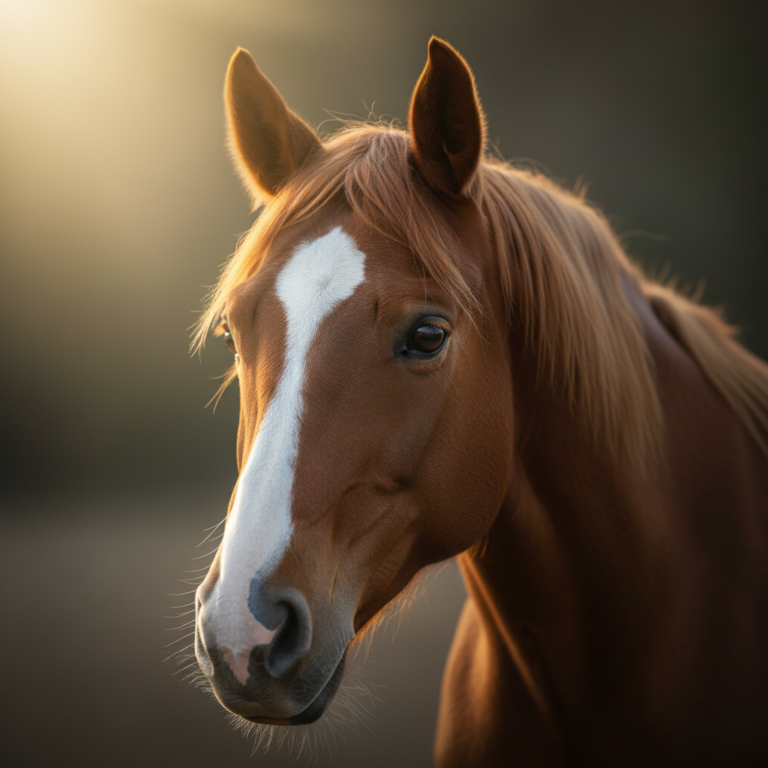
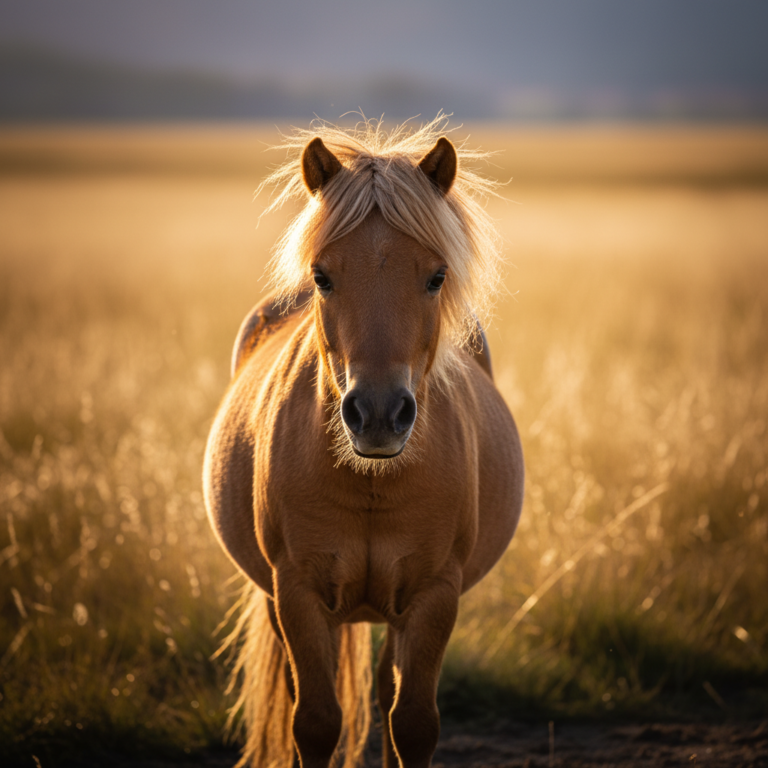
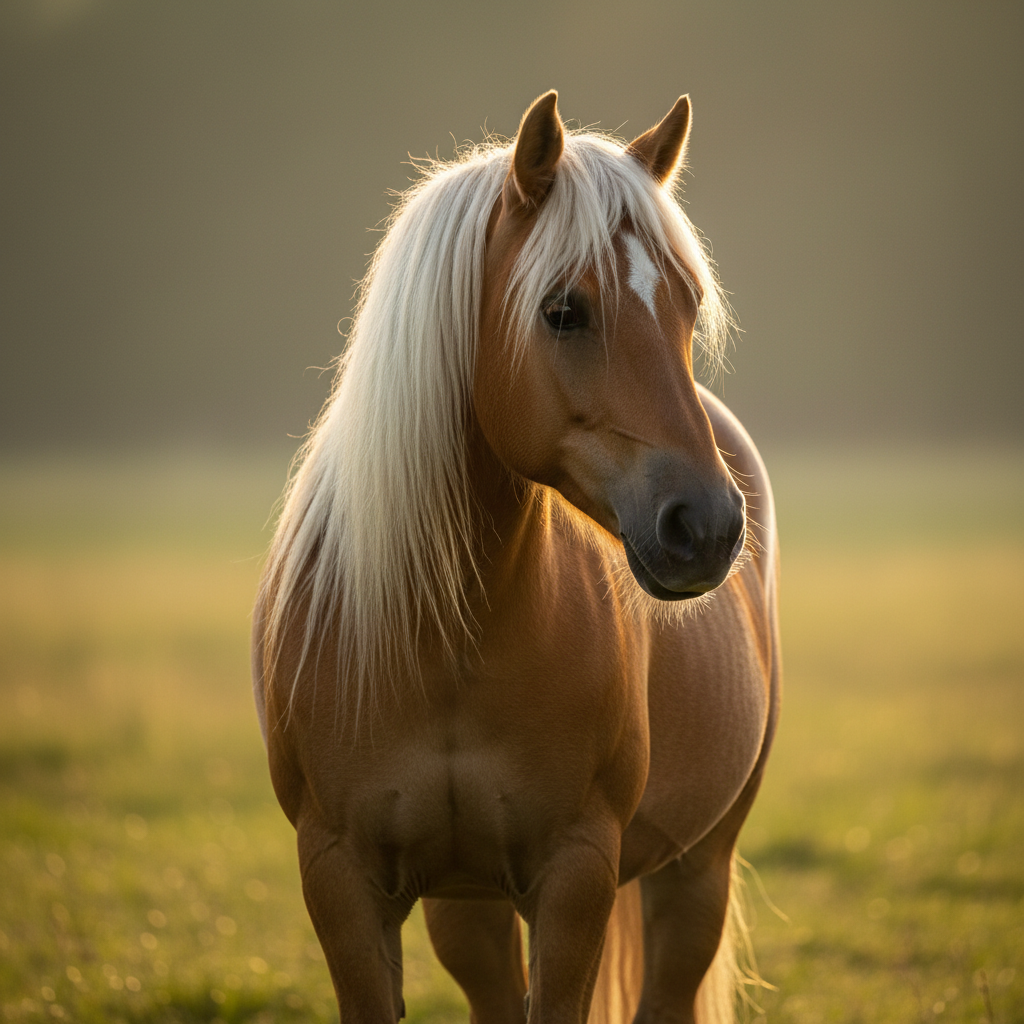
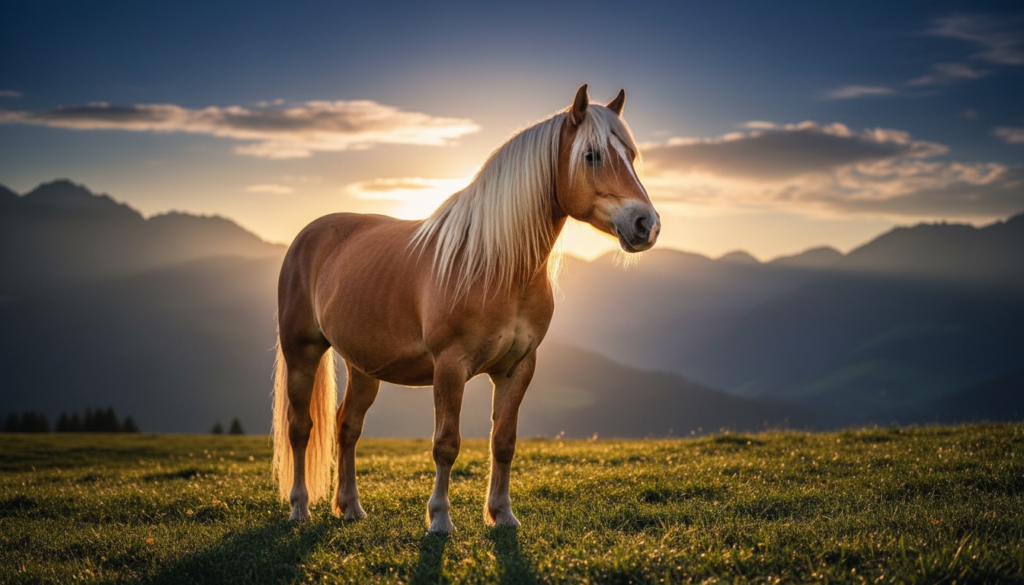
Originating from the rugged Alpine peaks, the Haflinger horse stands out with its striking golden chestnut coat and luxurious flaxen mane and tail, a vision of beauty that captivates at first glance.
Yet, its appeal extends far beyond its dazzling appearance.
This article will delve into what makes the Haflinger Horse a truly exceptional and increasingly popular choice for equestrians, families, and farmers worldwide, exploring its rich history, distinct characteristics, renowned temperament, incredible versatility, and essential care requirements.
Prepare to discover why this remarkable breed is rapidly becoming the answer to many equestrian dreams.
From Alpine Peaks to Global Appeal: The Haflinger’s Enduring Legacy
The story of the Haflinger horse is one of resilience, careful breeding, and a commitment to preserving a versatile mountain pony. Its journey from a hardy pack animal of the Austrian Alps to a beloved global companion speaks volumes about its inherent qualities and adaptability.
A Glimpse into History: Origins in Tyrol
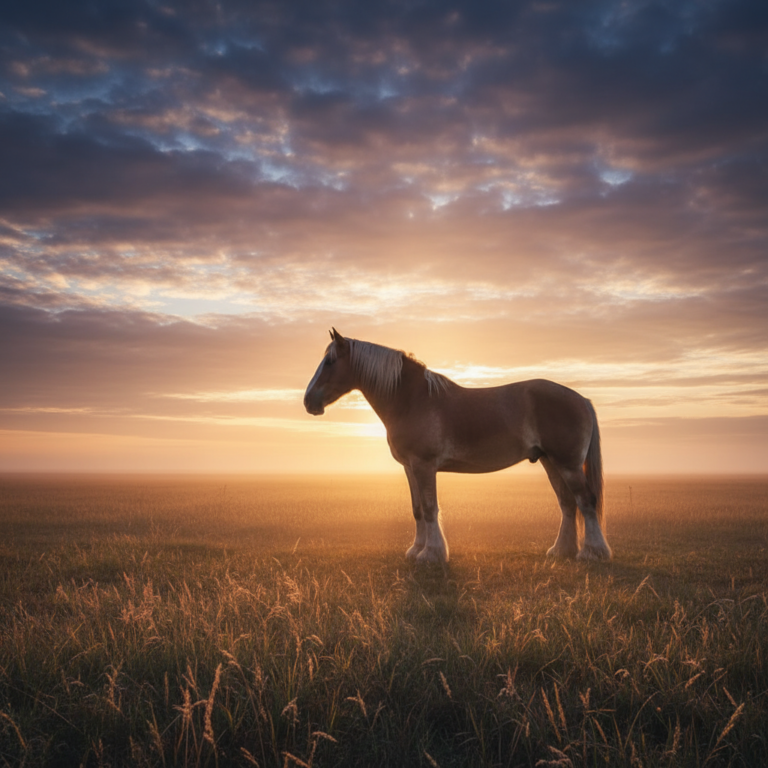
The roots of the Haflinger horse trace back to the mountainous South Tyrol region, an area historically part of Austria and now predominantly within Italy. This rugged, often unforgiving landscape demanded a specific type of horse: strong, sure-footed, hardy, and capable of enduring harsh winters and steep trails. Farmers and merchants relied on these small, sturdy horses for packing goods, transporting people, and working on steep agricultural terraces. Early records indicate the presence of indigenous mountain ponies in this region for centuries, known for their compact build and impressive stamina. The formal development of the Haflinger breed began in the late 19th century, driven by the desire to standardize and improve these native ponies.
The Founding Sire: Folie and the Haflinger Lineage
The pivotal moment in Haflinger Horse history occurred in 1874 with the birth of a stallion named Folie (foaled in 1874 to a Tyrolean country mare and an Arabian stallion, El’Bedavi XXII).
Folie, born in the village of Schluderns, Tyrol, is considered the founding sire of the entire breed.
His unique combination of Arabian refinement and local mountain pony hardiness established the foundational characteristics that breeders sought to perpetuate.
All purebred Haflingers today can trace their lineage directly back to Folie through one of his seven stallion sons, each forming a distinct “A, B, M, N, S, ST, W” line.
This meticulous lineage tracking, coupled with strict breeding standards focused on type, temperament, and performance, has ensured the remarkable consistency and quality of the Haflinger Horse over generations.
Post-War Revival and International Recognition
The two World Wars brought immense challenges to horse breeding across Europe, and the Haflinger was no exception.
However, thanks to dedicated breeders and government support, particularly in Austria, the breed experienced a significant revival in the post-war era.
Facing scarcity and a need for adaptable animals, breeders prioritized horses that could thrive on limited forage while still performing a variety of tasks.
This period further solidified the Haflinger Horse‘s reputation as an “easy keeper” and an incredibly versatile partner.
By the latter half of the 20th century, the breed began gaining international recognition, with enthusiasts drawn to its unique appearance and remarkable disposition.
Today, Haflinger Horse associations exist worldwide, testament to its enduring appeal and successful adaptation to diverse climates and equestrian pursuits.
But beyond its captivating history, what exactly makes a Haflinger so instantly recognizable and universally adored?
The Haflinger Horse Defined: Physical Traits and Striking Appearance
The Haflinger horse is a true head-turner, boasting a combination of distinctive physical traits that make it instantly recognizable and widely admired. While often referred to as a “pony,” its capabilities and presence are decidedly horse-like, a fact reflected in its conformation and build.
The Iconic Coat: Golden Chestnut with Flaxen Mane and Tail
Without a doubt, the most striking feature of the Haflinger Horse is its coat and unique color pattern.
Every purebred Haflinger must be chestnut, ranging from a pale, almost golden shade to a deep, rich liver chestnut.
This golden hue, combined with an absolutely essential flaxen (blonde or white) mane and tail, creates a truly breathtaking contrast.
This iconic color scheme is so characteristic that it’s often referred to simply as “Haflinger color.”
The flaxen mane is typically thick and luxurious, often flowing and wavy, while the tail is equally full, adding to the breed’s ethereal, almost mythical appearance.
This genetic trait is highly prized and strictly maintained within breeding programs, ensuring the consistent beauty that fans of the Haflinger Horse have come to expect.
Conformation and Build: Sturdy, Compact, and Athletic
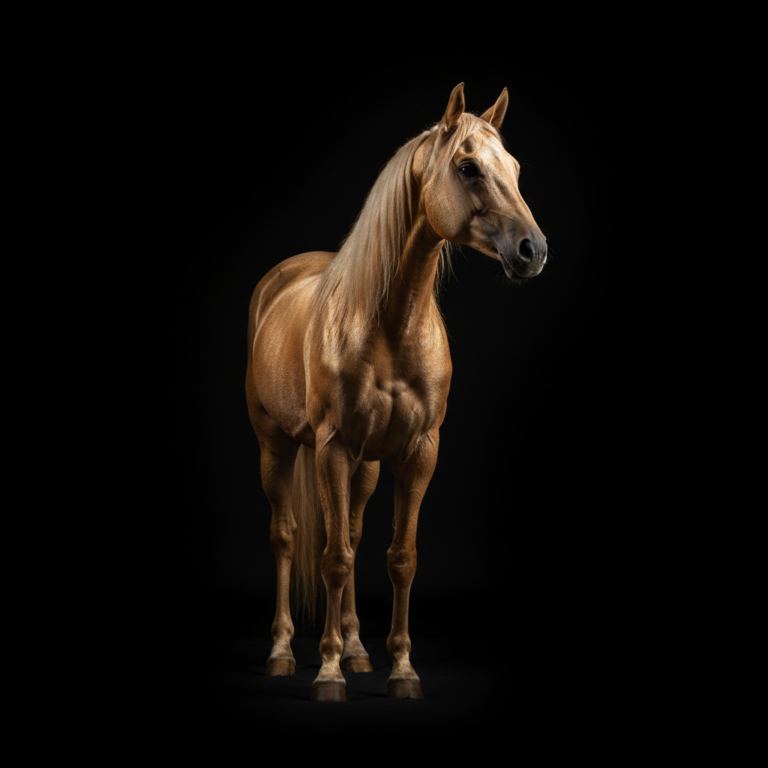
Beyond its captivating color, the Haflinger horse possesses a conformation that speaks to its strength, hardiness, and versatility. They are generally compact, well-muscled, and powerfully built, reflecting their origins as mountain horses. Key conformational points include:
* Head: Refined, with a broad forehead, expressive eyes, and small, alert ears.
* Neck: Medium length, well-muscled, and set high, blending smoothly into the shoulders.
* Shoulders: Sloping and strong, allowing for good freedom of movement.
* Chest: Deep and broad, indicating good lung capacity and stamina.
* Back: Relatively short, strong, and well-muscled, capable of carrying weight comfortably.
* Hindquarters: Powerful and well-rounded, providing the drive needed for various disciplines.
* Legs: Clean, strong, with well-defined joints and short cannons, ending in robust hooves.
This robust and balanced build contributes to the Haflinger horse’s incredible agility, sure-footedness, and ability to perform a wide range of tasks, from strenuous draft work to refined dressage movements.
Height and Weight: A Pony in Size, a Horse in Heart
| Feature | Details |
|---|---|
| Classification | Sometimes referred to as a “pony breed” due to height, but structurally closer to a small horse |
| Height (Hands) | 13.2 – 15 hands |
| Height (Inches) | 54 – 60 inches |
| Height (Centimeters) | 137 – 152 cm |
| Weight (Pounds) | 800 – 1,300 lbs |
| Weight (Kilograms) | 360 – 590 kg |
| Build | Dense bone structure with strong muscling |
| Suitable For | Children and smaller adult riders |
| Practical Advantage | Offers the substance of a larger horse without excessive height, making mounting and handling easier |
| Key Appeal | Beyond physical traits, its temperament and intrinsic nature truly capture hearts |
More Than Just Pretty: The Renowned Haflinger Temperament
While the stunning appearance of the Haflinger horse is often what first catches the eye, it is their exceptional temperament that truly makes them cherished companions and reliable partners across a multitude of disciplines. This breed is celebrated for an innate disposition that combines intelligence, gentleness, and an eagerness to please, making them suitable for virtually any rider or owner.
The “People-Pleaser”: Calm, Patient, and Endearing
The Haflinger horse is famously known for its calm and tractable nature. They possess an inherent patience that makes them incredibly forgiving, particularly with less experienced riders or handlers. This isn’t a horse prone to histrionics or flightiness; rather, they approach new situations with a sensible, often curious, demeanor. Their “people-pleaser” attitude means they genuinely enjoy interaction and seek to understand what is being asked of them. This makes groundwork, training, and general handling a pleasant experience, fostering a strong bond between horse and human. Many owners describe their Haflinger horse as possessing a gentle soul, demonstrating a quiet affection that makes them endearing family members.
Intelligence and Trainability: A Quick and Willing Learner
Beneath their calm exterior lies a sharp mind. The Haflinger horse is highly intelligent and remarkably trainable. They are quick to grasp new concepts and eager to learn, often retaining lessons effectively. This trainability is a huge asset, whether you’re teaching basic ground manners, introducing them to new riding disciplines, or engaging them in more complex tasks. Their willingness to cooperate, combined with their mental acuity, means they progress quickly in training without becoming bored or resistant. This makes them a joy for trainers and riders alike, providing a rewarding partnership built on mutual understanding and progress.
Hardiness and Longevity: A Robust and Reliable Partner
Bred in the rugged Alps, the Haflinger horse inherited an incredible hardiness and resilience. They are known for being exceptionally sound and robust, often enjoying long, healthy, and active lives well into their twenties and even thirties. This longevity translates into years of companionship and partnership, a significant benefit for any horse owner. Their strong constitutions mean they are less prone to many common equine ailments, and their “easy keeper” metabolism (which we’ll discuss further in care) allows them to thrive on relatively simple diets. This natural robustness makes the Haflinger horse a reliable and cost-effective equine partner over the long term, offering peace of mind to their owners.
Suitable for All: From Novices to Experienced Riders
Perhaps the greatest testament to the Haflinger horse’s temperament is its suitability for a vast spectrum of riders. For novices and first-time horse owners, their patience, forgiveness, and steady nature provide a safe and encouraging learning environment. They are rarely spooks, offering a confidence-building ride. For experienced equestrians, their intelligence, trainability, and athletic potential mean they can be developed into highly capable partners across various disciplines, challenging and rewarding their rider. Their versatility truly makes them a horse for everyone, transcending skill levels and preferences. With such an impressive combination of mental and physical attributes, it’s no wonder the Haflinger horse is renowned as the ultimate all-rounder. But what exactly can this golden marvel accomplish?
The Ultimate All-Rounder: Versatility of the Haflinger Horse
The Haflinger horse isn’t just beautiful and good-natured; it is an equine powerhouse of versatility, excelling in an astonishing array of activities. This adaptability stems directly from its historical roots as a multi-purpose mountain horse, a trait carefully preserved and enhanced through selective breeding. Whether you seek a reliable family friend, a competitive partner, or a working companion, the Haflinger delivers.

Riding Disciplines: Trails, Arena, and Beyond
The inherent athleticism and steady temperament of the Haflinger horse make it an exceptional mount for diverse riding disciplines, consistently proving its worth far beyond its initial reputation as a pack animal.
#### Ideal Family Horse: Safe and Forgiving
For families, the Haflinger horse is often the perfect choice. Their calm demeanor, patience, and sturdy build make them incredibly safe and forgiving for children learning to ride, as well as for adults seeking a reliable pleasure mount. They tolerate mistakes gracefully and are less likely to react impulsively, building confidence in new riders. Their moderate height also makes them easier for younger riders to handle and groom independently. This gentle giants (in spirit, if not always in size) thrive on interaction, often becoming cherished members of the family.
#### Endurance and Pleasure Riding
The Haflinger’s hardy constitution, sure-footedness, and impressive stamina make it an outstanding choice for endurance riding and pleasure trail riding. They navigate varied terrain with ease, from rocky paths to steep inclines, thanks to their mountain heritage. Riders appreciate their steady pace, comfortable gaits, and unflappable nature on long excursions, making them ideal companions for exploring the countryside or competitive endurance events.
#### Dressage, Jumping, and Western Pleasure
Don’t let their stocky appearance fool you; Haflinger horses possess a remarkable athletic ability that allows them to excel in more formal riding disciplines. In dressage, their intelligence, balance, and eagerness to please mean they can execute intricate movements with surprising grace. While not typically high jumpers, many Haflingers are capable over lower fences, demonstrating scope and agility. In Western pleasure, their comfortable gaits and willing disposition make them competitive contenders, showcasing their smooth transitions and calm demeanor. Their versatility truly makes them a horse that can adapt to almost any saddle.
Driving Excellence: From Pleasure to Competition
The Haflinger horse has a long and distinguished history as a driving horse, a role they still perform with excellence today. Their strength, compact build, and sensible nature make them ideal for pulling carts, buggies, and sleighs. Whether it’s for leisurely drives through the park, competitive pleasure driving, or even combined driving events, Haflingers demonstrate a natural aptitude. They are willing partners, responsive to commands, and possess the stamina to perform reliably over extended periods, making them a popular choice for both recreational and competitive drivers.
Therapeutic Riding: Gentle and Supportive Partners
The calm, patient, and highly empathetic nature of the Haflinger horse makes them exceptionally well-suited for therapeutic riding programs. Their steady gait provides beneficial rhythmic motion, while their gentle disposition creates a safe and comforting environment for individuals with physical, cognitive, or emotional challenges. They respond intuitively to their riders, offering unwavering support and often forming deep, trusting bonds that contribute significantly to therapeutic progress. Their moderate height also makes mounting and dismounting easier for participants.
Light Draft and Agricultural Work
Before the advent of modern machinery, the Haflinger horse was indispensable for light draft and agricultural work in their native Alpine regions. Today, they continue to prove their worth on smallholdings and hobby farms. They can pull plows, harrows, and other light farm implements, assist with logging, or even help with general farm chores. Their strength, efficiency, and tireless work ethic make them a practical and environmentally friendly alternative to machinery for many tasks, upholding their legacy as true working partners. With such a busy and varied life, proper care is paramount for these hardy yet lovable equines. What essential considerations should potential Haflinger owners keep in mind?
Essential Care for Your Haflinger: Nurturing a Healthy Companion
While the Haflinger horse is renowned for its hardiness and “easy keeper” status, responsible ownership still requires attention to their specific needs. Understanding and addressing these essentials will ensure your Haflinger remains a healthy, happy, and long-lived companion.
Dietary Needs: Managing the “Easy Keeper”
One of the most crucial aspects of Haflinger horse care is managing their diet. Their metabolism, honed by centuries of surviving on sparse mountain pastures, makes them incredibly efficient at utilizing forage. This means they are classic “easy keepers” – they require less feed than many other breeds of similar size and can gain weight very easily if overfed. The primary dietary component for a Haflinger should be good quality forage, such as hay or pasture.
* Forage First: Hay should be the cornerstone of their diet, ideally fed free-choice or in controlled portions, often using slow-feeder nets to extend eating time and prevent boredom.
* Pasture Management: If on pasture, careful management is essential. Lush spring grass can be too rich, leading to laminitis or excessive weight gain. Grazing muzzles or limited turnout hours may be necessary.
* Concentrates & Supplements: Many Haflingers thrive without significant concentrates. If additional calories or nutrients are needed due to heavy work or specific deficiencies, a balanced ration balancer or a low-starch, high-fiber feed should be chosen sparingly. Always consult with a veterinarian or equine nutritionist to tailor a diet to your individual horse’s needs, avoiding overfeeding which can lead to metabolic issues.
Routine Health and Veterinary Care
Like all horses, Haflinger horses require regular veterinary care to maintain optimal health.
* Vaccinations: Keep up-to-date with core vaccinations (Tetanus, Rabies, Eastern/Western Equine Encephalomyelitis, West Nile Virus) and any other regionally recommended vaccines.
* Deworming: Implement a strategic deworming program based on fecal egg count testing, rather than routine deworming, to prevent resistance.
* Dental Care: Annual dental exams and floating are vital to ensure proper chewing, digestion, and overall comfort.
* Wellness Exams: Regular veterinary check-ups allow for early detection and intervention of potential health issues, contributing to a longer, healthier life.
Hoof Care: Strong Foundations
The hooves of the Haflinger horse are typically strong and well-formed, a testament to their mountain heritage. However, consistent professional hoof care is still paramount.
* Regular Trimming: A qualified farrier should trim your Haflinger’s hooves every 6-8 weeks to maintain proper balance, prevent cracks, and support healthy growth.
* Shoeing: Many Haflingers can go barefoot if their hooves are healthy and they are working on forgiving terrain. However, shoes may be necessary for specific work, corrective purposes, or protection on harsh surfaces.
* Daily Picking: Daily cleaning of the hooves removes debris and allows for inspection for stones, thrush, or injuries.
Grooming and Coat Maintenance
The Haflinger horse’s striking golden coat and luxurious flaxen mane and tail are beautiful, but they do require regular grooming to keep them pristine and healthy.
* Daily Brushing: Regular brushing removes dirt, loose hair, and stimulates circulation, promoting a healthy coat.
* Mane and Tail Care: The thick manes and tails can easily tangle and collect debris. Daily detangling with a wide-toothed comb or brush, along with occasional washing, will keep them free-flowing and magnificent. Many owners braid the mane to keep it tidy and prevent sun bleaching.
* Bathing: Bathe your Haflinger as needed, using equine-specific shampoos, particularly those designed for light-colored coats to enhance their golden glow.
Housing and Social Requirements
Haflinger horses are highly social animals and thrive on companionship.
* Companionship: They should ideally be housed with other equines or, failing that, with another companion animal like a goat. Solitary confinement can lead to stress and behavioral issues.
* Shelter: While hardy, they still require adequate shelter from extreme weather conditions, whether a run-in shed in a pasture or a stall in a barn.
* Turnout: Access to regular turnout is crucial for their physical and mental well-being, allowing them to exercise, graze, and engage in natural horse behaviors.
* Cleanliness: Stalls and shelters should be cleaned regularly to maintain hygiene and prevent respiratory or hoof problems.
Nurturing a Haflinger horse is a rewarding experience, built on understanding their unique needs and providing consistent, thoughtful care. But with all these qualities and requirements considered, how do you know if a Haflinger is truly the right addition to *your* life?
Making the Choice: Is a Haflinger Horse the Right Fit for You?
Deciding to bring a horse into your life is a significant commitment, and choosing the right breed is paramount. The Haflinger horse, with its distinctive blend of beauty, brains, and benevolence, offers a compelling package. But who specifically stands to benefit most from this golden companion? Let’s explore whether a Haflinger aligns with your equestrian aspirations and lifestyle.

For Families and First-Time Horse Owners
If you’re a family looking for a safe, reliable, and confidence-building horse for children and adults alike, or a first-time horse owner seeking an equine partner that will forgive your learning curve, the Haflinger horse is an outstanding candidate. Their calm temperament, gentle nature, and intuitive understanding make them incredibly patient teachers. They are less likely to spook or react unpredictably, offering a secure environment for developing riding skills. Their moderate size also makes them less intimidating than larger breeds and easier to handle on the ground. A Haflinger can truly be the cherished family member who introduces generations to the joys of horsemanship without the typical anxieties associated with horse ownership.
For Equestrians Seeking a Multi-Discipline Partner
For the experienced equestrian who values versatility and seeks a horse capable of excelling in multiple disciplines, the Haflinger horse proves to be an incredibly rewarding partner. Their intelligence and trainability allow them to adapt seamlessly from trail riding to arena work, from driving to basic jumping or dressage. You won’t need multiple horses to pursue different interests; a well-trained Haflinger can often do it all. This makes them an economical and practical choice for riders who enjoy variety and wish to develop a deep, multi-faceted partnership with one exceptional animal. They are not merely “jacks-of-all-trades” but often master many, bringing their keen mind and willing spirit to every challenge.
For Smallholdings and Hobby Farms
The Haflinger horse is also an excellent fit for individuals with smallholdings, hobby farms, or those interested in sustainable agricultural practices. Their historical role as a draft and pack animal means they are perfectly suited for light farm work, pulling carts, and even providing an environmentally friendly alternative for tasks like logging or plowing small plots. Their hardiness and “easy keeper” status mean they can thrive on less rich pastures and require less intensive feeding than many larger draft breeds, making them a practical and cost-effective choice for rural living. They blend seamlessly into a farm environment, offering both utility and companionship.
Understanding the Long-Term Commitment
Regardless of your background, choosing a Haflinger horse involves understanding the long-term commitment. While generally hardy and healthy, they still require consistent care, daily attention, and financial resources for feed, farrier, veterinary care, and housing. Their longevity, while a huge advantage, means you’re committing to a partner for potentially two decades or more. However, for those prepared for this dedication, the rewards are immeasurable. The Haflinger offers an enduring bond, endless opportunities for shared adventures, and the constant joy of partnering with a truly unique and exceptional equine. Are you ready to welcome this golden gem into your life?
The Enduring Appeal of the Haflinger Horse
In a world full of specialized breeds, the Haflinger horse stands out as a testament to the power of versatility, a truly “golden gem” in every sense of the word. We’ve journeyed through its fascinating history, from the rugged Alpine peaks of Tyrol, shaped by the influence of the legendary sire Folie, to its global recognition as a beloved companion. We’ve admired its striking physical beauty – that iconic golden chestnut coat with its flowing flaxen mane and tail – and delved into the profound qualities of its renowned temperament: calm, intelligent, hardy, and undeniably a “people-pleaser.”
The Haflinger horse proves time and again that it is the ultimate all-rounder, excelling across an astonishing spectrum of activities. From providing safe, forgiving rides for families and first-time owners, to conquering trails and arenas for experienced equestrians in dressage, jumping, and Western pleasure, its adaptability is unmatched. Its natural aptitude for driving, its gentle support in therapeutic programs, and its enduring utility in light draft and agricultural work further cement its status as a truly multi-talented equine partner. While requiring thoughtful care, particularly concerning its “easy keeper” diet, the Haflinger offers remarkable longevity and soundness, promising years of dedicated companionship.
Ultimately, whether you are a family seeking a trustworthy mount, an equestrian yearning for a multi-discipline partner, or a hobby farmer in search of a willing helper, the Haflinger horse offers an irresistible combination of qualities. It’s more than just a beautiful horse; it’s a reliable friend, a capable athlete, and a cherished family member. The enduring appeal of the Haflinger lies in its ability to offer companionship, partnership, and endless possibilities, embodying the very best of the equine world.
FAQ
1. What two breeds make a Haflinger horse?
The elite Haflinger Horse traces its ancestry back to a unique cross between a Tyrolean mountain mare and an Arabian stallion named El’Bedavi XXII. This combination created the perfect balance of mountain hardiness and refined elegance.
2. Is a Haflinger a horse or pony?
While their height of 13.2 to 15 hands often puts them in the pony category, the Haflinger Horse is built with the bone structure and strength of a small horse. They are a “horse in a pony’s body” due to their incredible athletic prowess.
3. What are the health problems with Haflinger horses?
As “easy keepers,” Haflinger Horses are prone to metabolic issues like laminitis or equine metabolic syndrome (EMS) if their diet isn’t managed. Responsible ownership requires monitoring their intake to maintain their robust health.
4. Are Haflinger horses expensive?
The price varies based on training and lineage, but a high-quality Haflinger Horse is considered a valuable investment due to its long-term reliability and versatility. Their durability often makes them more cost-effective over time compared to other breeds.
5. Why is the Haflinger called the “Golden Horse”?
The Haflinger Horse is world-renowned for its iconic golden chestnut coat and luxurious flaxen mane and tail. This striking appearance, paired with a gentle heart, earned them their famous “Golden” nickname.
6. Is a Haflinger Horse suitable for beginners?
Yes, the Haflinger Horse is an elite choice for novices because of its calm, patient, and people-pleasing temperament. They provide a safe and stable learning platform for riders of all ages.
7. What is the average lifespan of a Haflinger?
The Haflinger Horse is a masterpiece of longevity, often living well into its late 20s or early 30s with proper care. Their hardy mountain heritage contributes to their exceptional life expectancy.
📚 References
- Learn more about breed standards and registration at the World Haflinger Federation (WHF), the global authority for the breed.
- Detailed history and heritage of the breed via Encyclopaedia Britannica, providing scholarly context on their Alpine origins.
- Information on North American breeding and events at the American Haflinger Registry (AHR), the primary organization in the United States.
- Guidance on equestrian disciplines and sport standards at US Equestrian (USEF), focusing on competitive excellence.