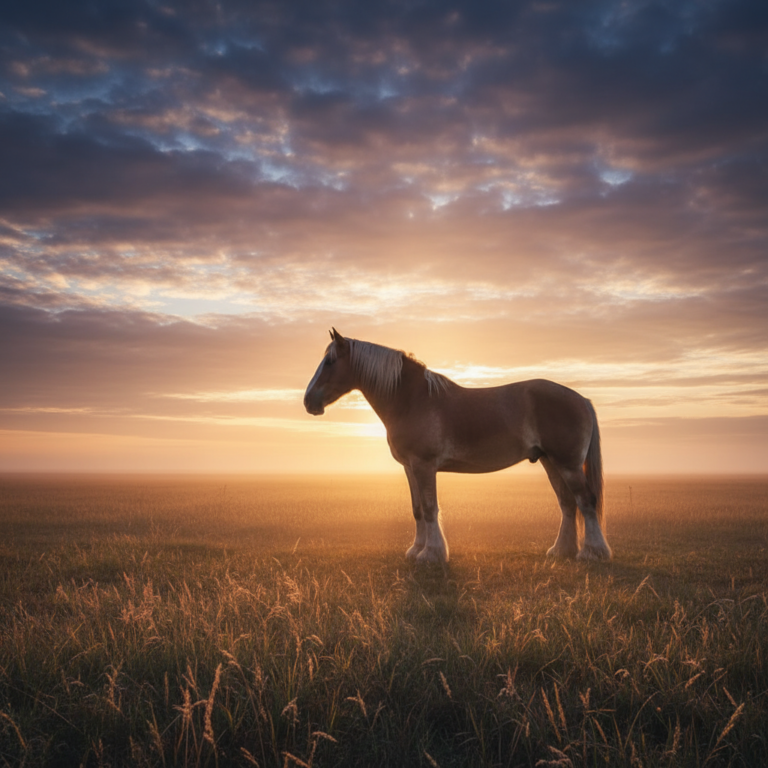

The Majestic Gypsy Vanner Horse: A Comprehensive Guide to History, Temperament, and Care
Table of Contents
Discovering the Enchantment of the Gypsy Vanner Horse
Are you an equestrian dreaming of a horse that possesses both the ethereal beauty of a fairytale creature and the rock-solid temperament of a trusted friend? Many horse enthusiasts spend a lifetime searching for that perfect balance of aesthetics, intelligence, and unwavering reliability, often encountering breeds that excel in one area but fall short in another.
If you’ve yearned for a partner that is as breathtaking to behold as it is gentle to handle, a breed shrouded in mystique and promising an unparalleled equine partnership, then allow us to introduce you to the Gypsy Vanner Horse.
This extraordinary breed embodies the best of both worlds, offering an enchantment that transcends mere appearance. In this comprehensive guide, we will embark on a journey into the fascinating history, unique traits, and rewarding ownership experience of the Gypsy Vanner Horse, revealing why it has captured the hearts of equestrians worldwide.
The Rich Heritage: Tracing the Origins of the Gypsy Vanner Horse
From the Roads of Ireland and Great Britain: A Nomadic Legacy
The story of the Gypsy Vanner Horse is deeply intertwined with the vibrant culture and nomadic traditions of the Irish and British Travellers, often referred to as the Romani people. For centuries, these communities needed a very specific type of horse: one strong enough to pull their elaborately decorated vardoes (caravans) over long distances, yet docile enough to be handled by children and gentle enough to live in close proximity to families. They also desired a horse of striking beauty, a living symbol of their pride and heritage.
This unique set of requirements led to a selective breeding program spanning generations. The Travellers meticulously combined various draft horse breeds, including the Shire and Clydesdale, with smaller, agile ponies like the Dales and Fell, possibly incorporating some Roadster bloodlines. The goal was to create a compact, powerfully built horse with a calm disposition, a distinctive conformation, and, crucially, abundant feathering the long, silky hair on their lower legs that protected them from the elements and added to their aesthetic appeal. This careful selection process was a closely guarded secret, passed down through families, resulting in the development of a horse perfectly suited to their way of life.
A Breed Discovered: Introduction to the World Stage
For decades, these magnificent horses remained largely unknown outside the Traveller communities. It wasn’t until the late 20th century that their unparalleled qualities began to catch the eye of outsiders. Two Americans, Dennis and Cindy Thompson, are widely credited with formally recognizing and establishing the breed, bringing the first Gypsy Vanner Horse to North America in 1996. They founded the Gypsy Vanner Horse Society (GVHS), which established the breed standard and created a registry, giving this once-unnamed type of horse a distinct identity and global platform.
Prior to formal recognition, these horses were known by many descriptive names, often reflecting their purpose or appearance within the Traveller community. ‘Gypsy Cob’ was a common term, referring to their compact build. ‘Traditional Cob’ also highlighted their role in pulling traditional caravans. While these terms are still used informally, ‘Gypsy Vanner Horse’ became the official and internationally recognized name, emphasizing their heritage as “vanners” horses specifically bred for pulling their picturesque homes. This transition marked a pivotal moment, allowing the world to discover a breed that had been perfected in quiet solitude for generations. But what exactly defines the striking appearance that first captivated outsiders and continues to charm equestrians today?
Unmistakable Beauty: Distinctive Physical Attributes
The Signature Look: Feathering, Mane, and Tail
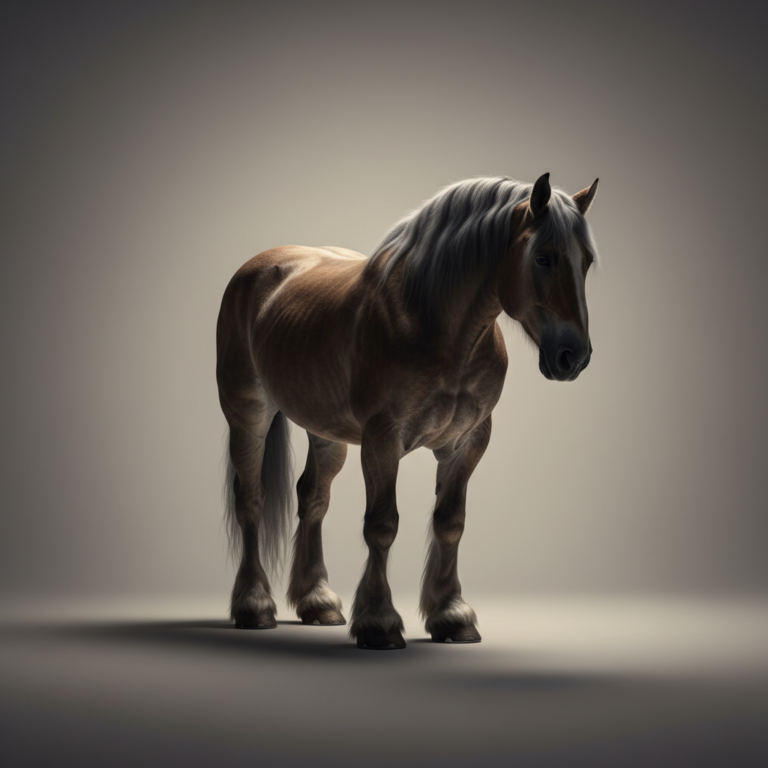
The Gypsy Vanner Horse is instantly recognizable by its opulent and characteristic traits. Most striking is the heavy, silky feathering that adorns its legs, extending from the knee and hock down to completely cover the hooves. This isn’t just a decorative feature; it’s a hallmark of the breed, carefully cultivated for generations. Complementing the feathering are the luxurious, long, and often wavy manes and tails, which can reach impressive lengths and contribute significantly to their majestic appearance.

Beyond these flowing adornments, the Vanner’s conformation is equally distinctive. They possess a noble head with a kind eye, often framed by a thick forelock. A strong, arched neck flows into well-sloped shoulders. Their back is typically short and powerful, leading to broad, muscular hindquarters built for strength and endurance. The broad chest and compact body give them a powerful yet surprisingly elegant presence, defying the typical “draft horse” stereotype with their refined carriage.
Color and Markings: A Kaleidoscope of Patterns
One of the most captivating aspects of the Gypsy Vanner Horse is the incredible diversity of their coat colors and patterns. While many people associate the breed with striking black and white coats, they come in a dazzling array of variations, making each horse truly unique.
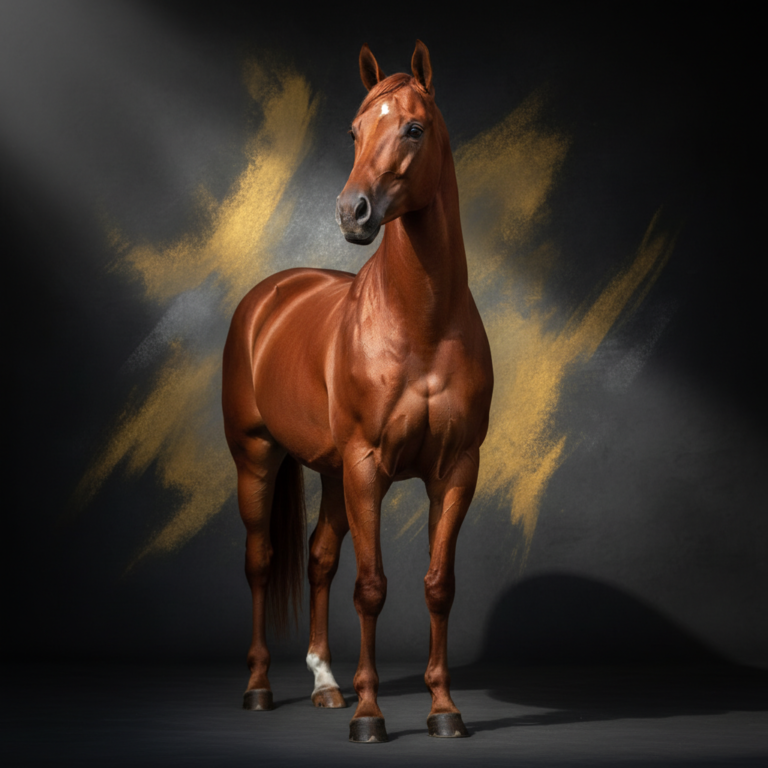
Common patterns include Piebald (black and white) and Skewbald (brown/bay and white). Blagdon, a term often used within the breed, refers to a roan-and-white pattern, or a solid color with substantial white splashes, particularly on the belly and face. Solid colors such as black, bay, chestnut, and even palomino or buckskin are also recognized, often accompanied by white facial markings or leg stockings. The rich tapestry of colors and patterns is not merely superficial; it was, and remains, an important aspect of their aesthetic appeal within the Traveller culture, where a visually striking horse was a point of immense pride.
Size and Build: A Powerful Yet Elegant Presence
Despite their draft horse ancestry, Gypsy Vanner Horses are typically classified as a “cob” type, meaning they are strong, sturdy, and compact. Their height usually ranges from 13.2 to 16 hands, making them a versatile size suitable for a wide range of riders.
This moderate height, combined with their robust and muscular build, strong bone structure, and deep barrel, gives them an impressive presence without being overly intimidating. They carry themselves with an inherent grace that belies their powerful frame, moving with an athletic nimbleness often unexpected from a horse of their substance.
This unique combination of power and elegance is integral to their identity. But what truly endears them to their owners, often more than their stunning looks, is the exceptional temperament that beats within their golden hearts?
The Heart of Gold: Temperament and Personality
The Gentle Giant: Docile and Friendly Nature
The defining characteristic of the Gypsy Vanner Horse, perhaps even more so than their striking beauty, is their truly exceptional temperament. They are renowned as “gentle giants” – incredibly calm, tractable, and possess an overwhelmingly gentle disposition. This innate docility was a non-negotiable trait for the Travellers, who needed horses that could safely coexist with families, including small children, within close quarters.

This forgiving nature makes them ideal for families, children, and novice riders, as they are rarely spooky or flighty. They approach the world with a sense of quiet confidence, preferring to observe and understand rather than react impulsively. Owners frequently describe them as having a “dog-like” loyalty, eagerly seeking human interaction and displaying a deep willingness to please their handlers. Their patient and kind demeanor makes them exceptionally safe and reliable partners in almost any situation.
Intelligent and Trainable: A Quick Learner
Beneath their calm exterior lies a keen intelligence and an eagerness to learn. Gypsy Vanner Horses are highly trainable and respond remarkably well to positive reinforcement. They possess a natural curiosity and enjoy engaging their minds, making training sessions a rewarding experience for both horse and handler. Their adaptability allows them to excel in various disciplines, quickly grasping new concepts and movements.
This combination of intelligence and a willing attitude means they are not only easy to teach basic manners but can also be guided towards more advanced skills with relative ease. They thrive on consistency and clear communication, forming strong partnerships built on mutual understanding and trust.
Social and Affectionate: A True Companion
The Gypsy Vanner Horse forms strong bonds with humans and often with other animals as well. They are inherently social creatures, enjoying companionship and often seeking out interaction. Their affectionate nature means they are not just mounts but cherished members of the family, often content to stand for grooming or simply lean into a comforting scratch.
Their composed demeanor, rarely exhibiting the flighty or high-strung tendencies seen in some breeds, makes them excellent companions both in and out of the saddle. They are stable, reliable, and contribute a sense of calm to any barn environment. This deep bond and unwavering affection are what truly solidify the Vanner’s status as a “heart horse” for many owners. However, to maintain this magnificent creature’s splendor and health, specific care routines are essential. What does it take to truly nurture a Gypsy Vanner Horse and ensure they thrive?
Caring for Your Gypsy Vanner Horse: Essential Guidelines
Nutritional Needs: Feeding for Health and Vigor
Given their draft heritage, Gypsy Vanner Horses are often described as “easy keepers.” They tend to have efficient metabolisms and can maintain good body condition on relatively little feed compared to lighter breeds. This means their dietary needs must be carefully managed to prevent obesity and related health issues like laminitis.

The cornerstone of their diet should be high-quality forage, such as hay or pasture, provided in appropriate quantities to maintain a healthy weight. Supplementation with a balanced vitamin and mineral supplement, or a low-starch, low-sugar feed, is often sufficient. It’s crucial to avoid overfeeding concentrates, as their metabolism can quickly turn excess calories into fat. Regular body condition scoring is vital to ensure they are neither underweight nor overweight, keeping them in optimal health and vigor.
Grooming and Maintenance: Preserving Their Splendor
The Gypsy Vanner Horse’s signature feathering, mane, and tail require specialized and diligent care to maintain their splendor and prevent health issues. The heavy feathering can trap moisture and dirt, making the legs prone to skin conditions like ‘scratches’ or ‘mud fever.’ Regular cleaning, thorough drying, and application of protective oils or ointments are essential, especially in wet conditions. Some owners braid or wrap the feathers for protection, particularly before going out into muddy fields.
Manes and tails, which can grow exceptionally long and thick, need regular detangling and conditioning to prevent breakage and matting. Daily brushing with a soft brush, followed by a wide-toothed comb, along with the use of detangling sprays and conditioners, will keep them free-flowing and healthy. Beyond these specific needs, routine hoof care, dental checks, and general coat grooming are just as important for the Vanner as for any other horse, ensuring overall well-being.
Health Considerations: Common Ailments and Prevention
While generally robust, Gypsy Vanner Horses can be predisposed to certain breed-specific health issues that owners should be aware of. One significant concern is Chronic Progressive Lymphedema (CPL), a progressive condition affecting the lower legs, causing thickening, skin folds, and lesions, exacerbated by their dense feathering. While not curable, CPL can be managed with diligent care, specialized bandaging, and lymphatic massage.
Another consideration is Polysaccharide Storage Myopathy Type 1 (PSSM Type 1), a genetic muscle disorder that can cause tying-up symptoms. Genetic testing is available, and affected horses often benefit from a low-starch, high-fat diet and consistent exercise. As “easy keepers,” they are also more susceptible to metabolic issues if their diet and exercise are not properly managed.
The importance of regular veterinary checks, up-to-date vaccinations, and a consistent deworming schedule cannot be overstated. A proactive approach to health, combined with preventative care strategies tailored to the unique physiology of the Gypsy Vanner Horse, will contribute significantly to a long, healthy, and happy life. With proper care, what incredible feats can this versatile breed achieve, proving their worth far beyond just a pretty face?
Versatility in Action: Uses and Disciplines
A Dream Family Horse: Riding and Companionship
The Gypsy Vanner Horse’s calm temperament and gentle nature make it an absolute dream as a family horse. They are safe, reliable, and provide a comfortable mount for riders of all ages and experience levels, from young children to seasoned adults. Their unflappable demeanor makes them particularly popular for trail riding and pleasure riding, confidently navigating new environments and unexpected encounters without drama. Their steady gaits and compact build ensure a comfortable ride for hours on end. Furthermore, their inherent patience and forgiving nature make them strong candidates for therapeutic riding programs, where their presence can be profoundly calming and encouraging for individuals with special needs.
Driving and Showing: Displaying Their Elegance
Honoring their heritage, Gypsy Vanner Horses naturally excel in traditional driving disciplines. Their powerful build, consistent rhythm, and eager-to-please attitude make them exceptional carriage horses, whether for pleasure driving, competitive showing, or simply pulling a cart around the farm. Their striking appearance, combined with their elegant movement, ensures they turn heads in the driving arena. Beyond driving, they have a growing presence in the show ring, competing successfully in halter classes where their conformation and unique beauty are judged. They also perform well in pleasure and performance classes under saddle, showcasing their intelligence and trainability.
Beyond the Saddle: Unique Roles
The Gypsy Vanner Horse’s unique combination of beauty and temperament opens doors to a variety of roles beyond traditional equestrian pursuits. They are exceptional parade horses, with their flowing manes and tails, brilliant colors, and calm disposition making them crowd favorites.
Their steady nerves ensure they handle crowds, music, and unfamiliar sights with grace. They are also increasingly sought after for equine assisted learning and therapy animals, where their quiet, non-judgmental presence can facilitate emotional growth, communication, and physical development.
Their endearing personalities and striking looks also make them popular for photography shoots, film work, and special events. With such remarkable potential, how does one go about unlocking the best in their Gypsy Vanner Horse, transforming a willing spirit into a truly refined partner?
Training Your Gypsy Vanner: Nurturing Their Potential
Early Foundations: Groundwork and Desensitization
Establishing a strong foundation through early, consistent groundwork is paramount for a Gypsy Vanner Horse. Their intelligence and willingness to please mean they absorb lessons quickly, but clear communication and positive reinforcement are key. Beginning with basic manners like leading, tying, and picking up feet, along with desensitization to various sights, sounds, and textures, builds confidence and trust. Exposure to different environments and stimuli from a young age helps them develop into unflappable adults. This period is crucial for building mutual respect and a strong partnership, ensuring they understand boundaries and respond reliably to cues.
Under Saddle: Patience and Positive Reinforcement
When it comes to starting a Gypsy Vanner Horse under saddle, patience and positive reinforcement are your greatest assets. Their willing nature means they generally adapt well to riding, but a gentle, confidence-building approach is always best. Allow them to understand each new step without rushing, consistently rewarding positive efforts. Clear aids, a quiet seat, and a forgiving hand will encourage them to relax into their work and trust their rider. Their steady temperament means they rarely “test” a rider like some more hot-blooded breeds, preferring to learn and cooperate. This makes them highly rewarding to train, as they genuinely want to please.
Specialized Training: Harnessing Their Strengths
Once the basics are established, the Gypsy Vanner Horse can be guided into more specialized training based on their chosen discipline. Whether it’s refining advanced dressage movements, navigating complex obstacle courses, or mastering intricate driving patterns, their intelligence and adaptability shine through. They respond well to varied training routines that keep them engaged and prevent boredom. Encouraging their natural willingness to learn and please, combined with consistent, fair training, will enable a Gypsy Vanner Horse to reach its full potential, transforming into a versatile and highly skilled partner in any equestrian pursuit. As this magnificent breed continues to capture hearts globally, what vital steps are being taken to ensure its legacy and ethical future?
Ethical Breeding Practices: Sustaining the Legacy
Preserving Breed Standards: Responsible Selection
The growing popularity of the Gypsy Vanner Horse underscores the critical importance of ethical breeding practices to sustain their unique legacy. Responsible breeders prioritize the health, temperament, and conformation of their breeding stock, meticulously adhering to the established breed standards. This includes comprehensive health testing and genetic screening for potential breed-specific conditions like PSSM Type 1 and a predisposition to CPL.
Careful consideration of temperament is paramount, ensuring that the gentle and docile nature, which is a hallmark of the breed, is consistently passed down. Breeders also strive to maintain genetic diversity within the relatively young breed, avoiding overbreeding and ensuring the welfare of broodmares and foals. The goal is not just to produce beautiful horses, but healthy, sound, and truly representative examples of the breed, contributing positively to its future.
The Future of the Gypsy Vanner Horse
The future of the Gypsy Vanner Horse rests on the continued dedication of its community. Breed associations like the Gypsy Vanner Horse Society play a crucial role in maintaining registries, promoting education, and supporting research into breed-specific health. Dedicated breeders, committed to the highest ethical standards, work tirelessly to ensure the integrity of the breed.
As awareness of the Gypsy Vanner Horse continues to spread, the collective efforts of owners, enthusiasts, and organizations will be vital in preserving its treasured characteristics for future generations. This includes advocating for responsible ownership, promoting their versatility, and cherishing the unique cultural heritage that gave birth to this magnificent equine partner.
The Enduring Appeal of the Gypsy Vanner Horse
In conclusion, the Gypsy Vanner Horse stands as a testament to generations of dedicated breeding, a living work of art forged by a nomadic culture. We’ve explored their captivating history, from the roads of Ireland and Great Britain to their global recognition. We’ve admired their breathtaking beauty, characterized by abundant feathering, flowing manes, and a kaleidoscope of colors, all wrapped in a powerful yet elegant physique. Most importantly, we’ve highlighted their unparalleled docile and friendly temperament – a heart of gold that makes them truly “the people’s horse.”
This unique combination makes the Gypsy Vanner Horse an ideal family horse, a safe and reliable mount for riders of all levels, and a loyal companion beyond compare. Their intelligence and willingness also allow them to excel in diverse roles, from traditional driving and competitive showing to therapeutic riding and cherished backyard partners. The Gypsy Vanner Horse is not just a breed; it’s a living testament to a rich cultural heritage and a cherished equine partner whose heart of gold shines as brightly as its magnificent appearance, offering an enduring appeal that transcends time and trends.
📚 References
- Learn more about breed standards at the Gypsy Vanner Horse Society (GVHS).
- Detailed history of the Romani people’s horse via Encyclopaedia Britannica.
- Information on registration and genetics at the Gypsy Horse Association.