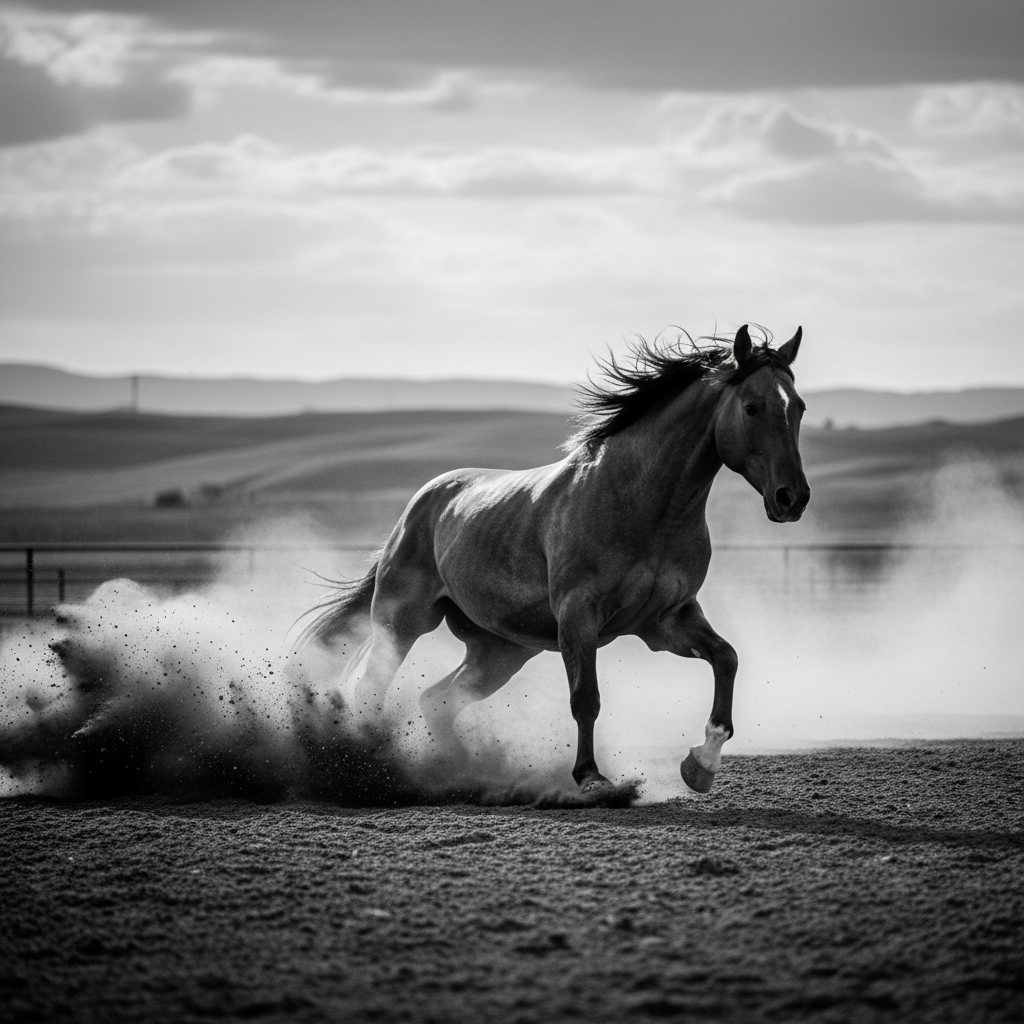
The Ultimate Guide to American Quarter Horse Breeds: Training, Care, and Why They Dominate Western Riding
Table of Contents
Imagine investing your time, money, and passion into a horse, only to find it falls short of your expectations too high-strung for the trails, not agile enough for the arena, or lacking the intelligence to truly partner with you.
This common dilemma leaves many equestrians searching for that elusive perfect match, a horse capable of excelling across disciplines while offering unwavering companionship. But what if there was a breed that consistently delivers on all fronts, a true equine athlete and partner renowned for its versatility, temperament, and performance?
This isn’t just a hopeful dream; it’s the defining reality of the American Quarter Horse. Often lauded as the most popular horse breed in the world, the American Quarter Horse holds a unique place in equestrian history and modern horsemanship.
But what makes these magnificent animals truly exceptional, and why have they become the breed of choice for so many riders? This comprehensive guide delves into the remarkable world of the American Quarter Horse, exploring their storied origins, distinctive characteristics, and the secrets behind their unparalleled success in diverse disciplines.
Prepare to uncover the full potential of these incredible equine athletes, from expert Quarter Horse training techniques to essential care tips, ensuring you have everything you need to appreciate and connect with one of the greatest Quarter Horse breeds on the planet.
Unveiling the American Quarter Horse: History and Distinctive Traits
The story of the American Quarter Horse is not just about a horse; it’s a narrative woven into the fabric of American history itself, reflecting the needs and spirit of a burgeoning nation. From colonial racetracks to vast Western ranches, this breed’s evolution is a testament to its incredible adaptability and enduring appeal. Understanding its origins and defining physical and temperamental traits is key to appreciating the depth of its capabilities.
A Legacy Forged in America: Origins and Early Development
The ancestry of the American Quarter Horse is a fascinating blend of cultures and equestrian needs. Tracing their roots back to the 1600s, these horses originated from a cross between the robust, agile horses brought to the American colonies by Spanish conquistadors descendants of Moorish and Barb horses and the Thoroughbreds imported from England.
The Spanish horses provided stamina and an innate “cow sense,” while the Thoroughbred infusions contributed speed and refinement. On the American frontier, these horses quickly proved invaluable. They were essential for daily ranch work, from herding cattle to pulling plows.
Their compact, powerful build and explosive speed made them uniquely suited for short-distance racing, often held on quarter-mile tracks – thus earning them the moniker “Quarter of a Mile Race Horse,” which eventually became the “Quarter Horse.” This blend of utility and athletic prowess cemented their status.
Key figures like the legendary King Ranch in Texas played a pivotal role in refining the breed, focusing on specific bloodlines that embodied the desired traits of speed, strength, and intelligence. In 1940, the American Quarter Horse Association (AQHA) was founded, marking a crucial step in formalizing the breed, maintaining its registry, and preserving its legacy for future generations. What specific bloodlines proved most influential in shaping the early Quarter Horse, and how do those influences manifest in today’s horses? We’ll explore that shortly.
Defining the Breed: Physical Characteristics and Conformation
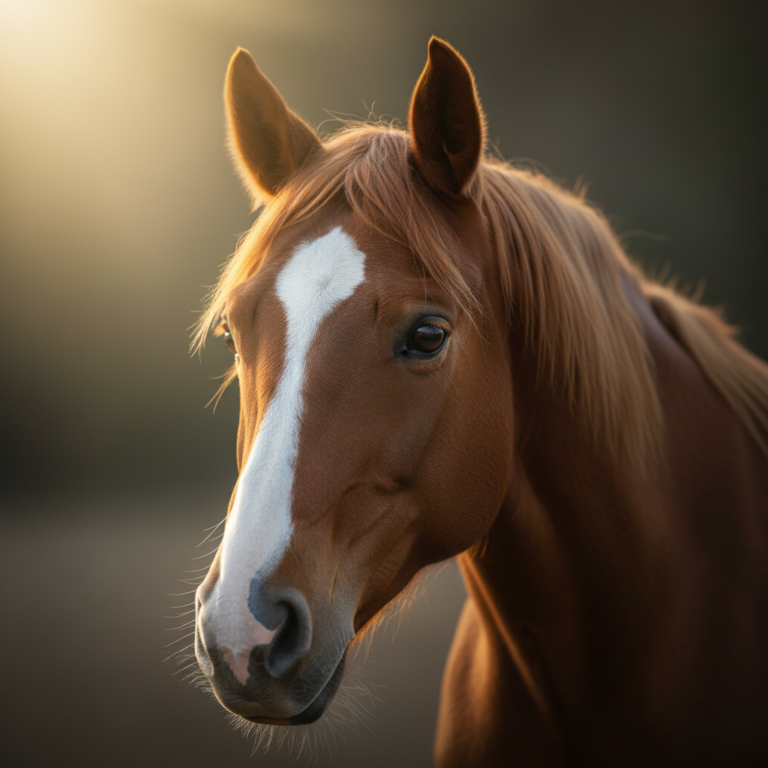
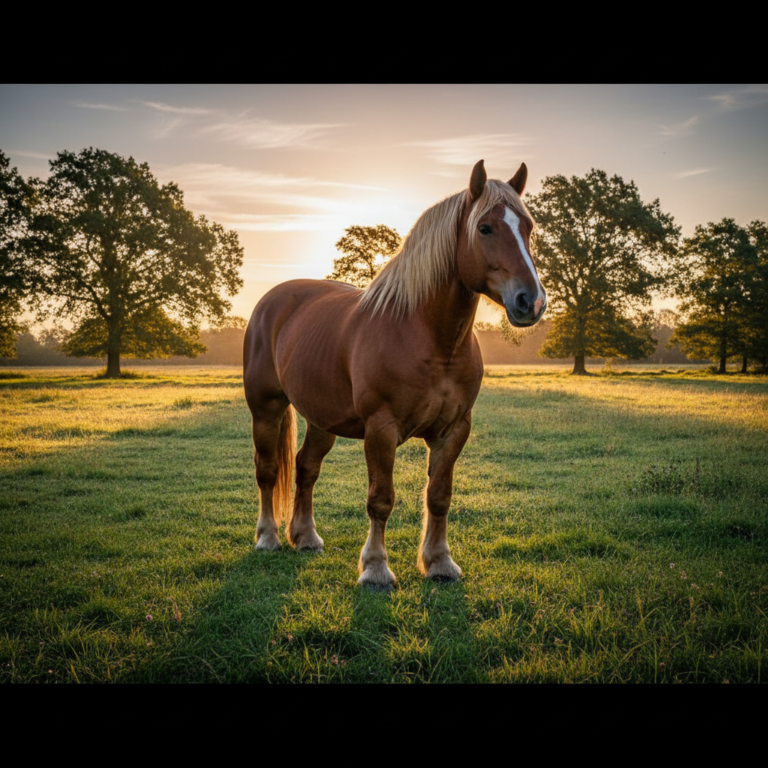
The American Quarter Horse boasts a conformation that is unmistakably built for performance. They possess a distinctive, compact, and heavily muscled build, which is their powerhouse physique enabling both explosive speed and remarkable agility. Key defining features include a broad chest, a relatively short back, and incredibly powerful hindquarters the engine room for their quick bursts of speed and ability to stop and turn on a dime. Their heads are typically refined yet strong, often featuring intelligent, wide-set eyes that convey their alert and cooperative nature.
While the fundamental Quarter Horse type remains consistent, variations within the breed have emerged over time, often influenced by specific disciplines. Halter-type Quarter Horses are bred for extreme muscling and stunning conformation, judged purely on their appearance. Western Pleasure types tend to be smoother, longer-striding, and more collected, designed for the slow, cadenced gaits required in the show pen. Performance types, often seen in reining, cutting, and racing, combine agility, speed, and endurance, prioritizing functional athleticism. Despite these variations, the core traits of strength, intelligence, and a willing disposition remain hallmarks of all Quarter Horse breeds. But how does this physical prowess translate into their mental makeup and their ability to work seamlessly with humans?
The Quarter Horse Temperament: Intelligence, Docility, and Willingness
Perhaps as celebrated as their physical attributes is the quintessential Quarter Horse temperament. They are renowned for their calm, sensible, and highly trainable disposition, making them an ideal choice for riders of all skill levels, from beginners to seasoned professionals. This innate docility doesn’t equate to a lack of spirit; rather, it manifests as a cooperative nature and an eagerness to please, which makes Quarter Horse training a genuinely rewarding experience.
One of their most revered traits is their profound “cow sense” – an inherent intelligence and instinct for working cattle. This natural ability allows them to anticipate a cow’s movements, making them exceptional partners in cutting, reining, and roping events. Beyond their working instincts, Quarter Horses are known for building deep bonds with their human partners, demonstrating a loyal and cooperative nature that fosters trust and mutual respect. This combination of mental acumen and a willing heart is a significant factor in their success across so many disciplines. But how do these traits truly translate when it comes to the vast array of activities they dominate?
The Versatility Powerhouse: Quarter Horse Breeds in Action
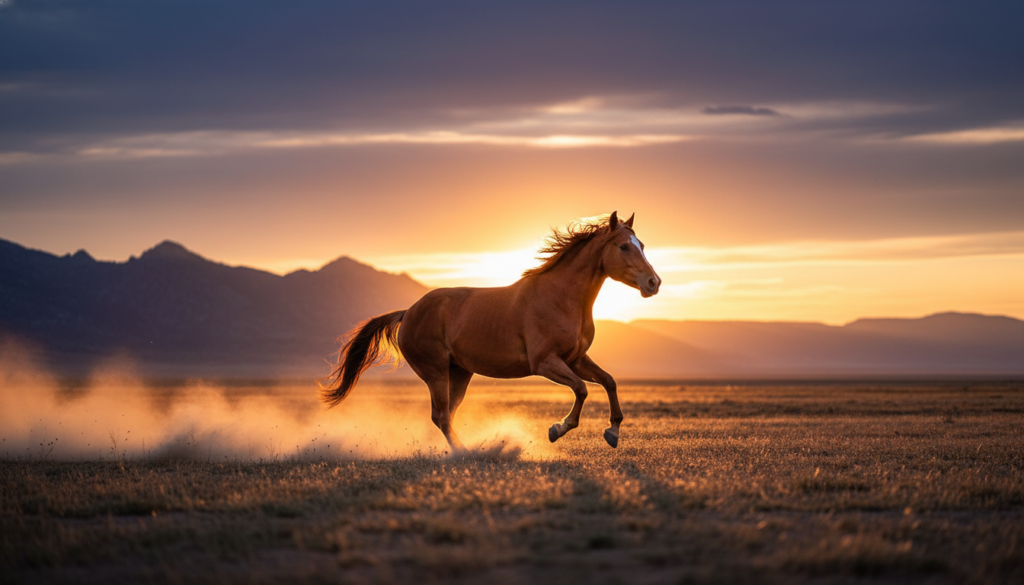
The term “versatility” is often tossed around in the equestrian world, but for the American Quarter Horse, it’s not just a buzzword – it’s a way of life. From the rugged demands of ranching to the dazzling lights of the rodeo arena and beyond, these horses continually prove their mettle across an astonishing range of disciplines.
The Foundation of Western Riding: From Ranch Work to Rodeo
The very essence of the Quarter Horse was forged in the demanding environment of the American West. Their robust build, quick bursts of speed, and innate cow sense made them indispensable for ranching traditions. In activities like cutting, they separate a single cow from the herd with precision and intense focus. In roping, they expertly hold a calf or steer while the rider dismounts to tie it. For sorting cattle, their agility and quick decision-making are paramount.
Beyond the ranch, the American Quarter Horse rose to legendary status in the rough and tumble world of rodeo. They are the equine stars of events like barrel racing, where their explosive speed and tight turning radius are critical. In steer wrestling, they carry the cowboy quickly and precisely alongside the steer. And in team roping, their synchronized movements with another horse and rider are a spectacle of skill and teamwork. This deep-rooted history in practical and competitive Western disciplines truly sets them apart.
Mastering the Arena: Popular Western Disciplines
The specialized nature of many Western disciplines highlights the finely tuned athleticism of American Quarter Horse breeds. Each event demands a specific set of skills that Quarter Horses have been selectively bred and rigorously trained to perfect.
Barrel Racing: Speed, Agility, and the Thrill of the Clock
Barrel racing is a high-octane event where horse and rider thunder around a cloverleaf pattern of barrels. It requires extreme speed, sharp turns, and unwavering agility. Quarter Horses excel here due to their powerful hindquarters, which allow for explosive acceleration and quick, controlled stops and pivots. The adrenaline-pumping nature of this sport showcases the breed’s incredible athletic prowess.
Reining: The Art of Athleticism and Controlled Movement
Often called “Western Dressage,” reining is a complex discipline that demands a high degree of communication and athleticism. Quarter Horses perform breathtaking maneuvers like sliding stops, fast spins, rollbacks, and precise circles. Their compact build and willing temperament make them ideal for mastering the intricate patterns that define this sophisticated sport.
Cutting and Working Cow Horse: Instinct, Precision, and Partnership
These disciplines are perhaps where the Quarter Horse’s “cow sense” shines brightest. In cutting, the horse works autonomously, preventing a chosen calf from returning to the herd with incredible agility and intelligent anticipation. Working Cow Horse expands on this, adding reining maneuvers and fence work. The raw instinct and partnership between horse and rider in these events are truly magnificent to behold.
Roping: Strength, Skill, and Timing
Roping events, whether team roping or calf roping, rely on the Quarter Horse’s strength, speed, and exceptional timing. The horse must burst from the chute, match the speed of the cattle, and then brace for the impact as the rope is thrown, holding the animal securely. It’s a testament to their muscular build and calm under pressure.
Western Pleasure and Horsemanship: Grace, Control, and Rider Harmony
In contrast to the high-speed events, Western Pleasure and Horsemanship focus on grace, control, and the seamless harmony between horse and rider. Horses are judged on their smooth, collected gaits, quiet demeanor, and responsiveness to subtle cues. Quarter Horse breeds bred for these disciplines display a calm temperament and fluid movement, embodying the ideal pleasure horse.
Beyond Western: Quarter Horses in English Disciplines and Leisure
While their Western heritage is undeniable, the versatility of the American Quarter Horse extends far beyond the rodeo arena. They prove their adaptability even in English disciplines, often surprising onlookers with their grace and form. In Hunter Under Saddle and Equitation classes, Quarter Horses demonstrate a smooth, flowing stride and an agreeable temperament, showcasing their ability to perform well in disciplines traditionally dominated by other breeds. Their quiet disposition and intelligence make them excellent choices for junior riders seeking a competitive edge.
Furthermore, their suitability as trail riding partners and family horses is unparalleled. Their calm and dependable nature makes them safe and enjoyable companions for pleasure riding, whether it’s a leisurely stroll through the woods or a challenging mountain trek. This ability to transition seamlessly from intense competition to relaxed companionship truly underscores why the American Quarter Horse is considered one of the most versatile Quarter Horse breeds in the world. But how do you cultivate such a well-rounded athlete and partner? The answer lies in effective Quarter Horse training.
Essential Quarter Horse Training Principles
Unlocking the full potential of an American Quarter Horse hinges on effective and consistent Quarter Horse training. While their natural intelligence and willingness are significant advantages, even the most talented horse benefits from a structured approach that builds a strong foundation and hones discipline-specific skills.
Foundation Training: Building a Solid Partnership
The journey of Quarter Horse training begins long before a saddle is ever placed on their back. Early education through groundwork is paramount. This involves teaching basic manners, respect, and responsiveness from a young age. Desensitization exercises help them become accustomed to various sights, sounds, and touches, building confidence and reducing spookiness.
When starting under saddle, patience, consistency, and positive reinforcement are key. The goal is to create a positive association with riding, gradually introducing the tack and the rider’s weight. Developing responsiveness through clear aids, consistent cues, and effective communication establishes the foundational language between horse and rider. A horse that understands and trusts its handler is a horse that will excel, regardless of the discipline.
Discipline-Specific Training: Honing Performance Skills
Once a solid foundation is established, Quarter Horse training can pivot towards discipline-specific skills. For Western disciplines, this means specialized techniques: learning the powerful, controlled sliding stops for reining, the explosive quick turns for barrel racing, or the nuanced balance required for working a cow. Progressive training is crucial, gradually introducing advanced maneuvers and increasing the complexity of exercises.
The importance of cross-training and variety in a Quarter Horse’s regimen cannot be overstated. Engaging in different activities like trail riding for mental refresh, or basic dressage for improved suppleness can prevent boredom, strengthen different muscle groups, and enhance overall athleticism. A well-rounded training program not only improves performance but also contributes to a horse’s mental well-being, keeping them engaged and eager to learn.
Common Training Challenges and Solutions
Even with their willing temperaments, Quarter Horses can present training challenges. Addressing specific behavioral issues, such as spooking, becoming herd bound, or showing resistance to certain aids, requires a calm, consistent approach. Often, these issues stem from a lack of clear communication, underlying discomfort, or simply a need for more confident leadership from the rider. Identifying the root cause is the first step toward a solution.
Sometimes, despite a rider’s best efforts, certain challenges persist. This is when seeking professional guidance becomes invaluable. A skilled Quarter Horse trainer can offer a fresh perspective, identify subtle nuances in behavior or handling, and provide proven techniques to overcome obstacles. Knowing when to bring in an expert saves time, prevents frustration, and ultimately ensures the horse receives the best possible education.
The Role of Professional Quarter Horse Trainers
Professional Quarter Horse trainers are experts in their field, possessing deep knowledge of equine behavior, biomechanics, and discipline-specific techniques. The benefits of professional training extend to both horse and rider. For the horse, it means consistent, knowledgeable handling that refines their skills and builds confidence. For the rider, it means learning proper techniques, understanding their horse better, and achieving their goals more efficiently.

Finding the right trainer for your goals and your horse is a critical step. Look for someone with a proven track record in your chosen discipline, excellent communication skills, and a training philosophy that aligns with your values. A good trainer will not only work with your horse but also teach *you* how to continue the training effectively, fostering a true partnership. What makes a Quarter Horse robust enough to handle such rigorous training and performance demands? That leads us directly into comprehensive care.
Comprehensive Care for Your American Quarter Horse
The athleticism and longevity of an American Quarter Horse are directly linked to the quality of care they receive. A holistic approach encompassing nutrition, veterinary attention, hoof care, and proper housing is vital for ensuring these magnificent animals remain healthy, happy, and performing at their peak.
Nutrition for Performance and Health
Proper nutrition forms the bedrock of a Quarter Horse’s health and performance. Dietary requirements vary significantly based on the horse’s age, activity level, and the demands of its discipline. A performance Quarter Horse will require a different diet than a retired pasture companion. Essential nutrients begin with high-quality forage hay and pasture which should form the largest portion of their diet. Concentrates (grains, pellets) provide additional energy and protein for horses in work or those with higher caloric needs. Supplements, carefully chosen with veterinary guidance, can address specific deficiencies or support joint health, coat condition, or digestive function. Crucially, constant access to clean, fresh water is non-negotiable, supporting all bodily functions and preventing dehydration.
Veterinary Care: Keeping Your Quarter Horse Robust
Proactive veterinary care is essential for preventing illness and maintaining the robustness of your American Quarter Horse. This includes a routine schedule of vaccinations to protect against common equine diseases, regular deworming to manage internal parasites, and annual dental care to ensure proper chewing and nutrient absorption.
While generally hardy, Quarter Horses can be predisposed to certain common health issues, sometimes linked to specific bloodlines or intense performance demands. These may include conditions like PSSM (Polysaccharide Storage Myopathy), HERDA (Hereditary Equine Regional Dermal Asthenia), or navicular syndrome. Preventative measures, such as genetic testing, appropriate nutrition, and careful exercise regimens, are vital. Recognizing early signs of illness or injury, such as lameness, lethargy, changes in appetite, or unusual discharges, allows for prompt veterinary intervention and can significantly impact recovery outcomes.
Hoof Care and Farrier Considerations
A Quarter Horse’s hooves are their foundation, bearing the full brunt of their powerful movements. Regular trimming and shoeing schedules, typically every 4-8 weeks, are critical for maintaining hoof balance, preventing overgrowth, and supporting soundness. Common hoof problems, such as thrush, white line disease, or cracks, can impact any horse but may be more prevalent in working horses if not managed carefully.
The role of a skilled farrier is paramount. A good farrier understands the specific needs of American Quarter Horse breeds and can trim or shoe them to enhance performance, correct conformational issues, and prevent injury. Finding a farrier who is knowledgeable about the stresses placed on a Quarter Horse’s hooves in their particular discipline can make all the difference in their long-term soundness and ability to perform.
Housing and Management Best Practices
Providing appropriate housing and management contributes significantly to a Quarter Horse’s overall well-being. Whether your horse is primarily stalled or lives mostly in pasture, ensuring adequate shelter from elements, safe fencing, and sufficient space for movement is crucial. Stall cleanliness and proper ventilation are important for respiratory health.
Socialization and understanding herd dynamics are also vital for these intelligent animals. Horses are herd animals, and appropriate turnout with companions can reduce stress and promote mental health. Daily grooming not only maintains a healthy coat, skin, and hooves but also provides an opportunity for owners to check for any injuries or abnormalities, fostering a stronger bond between horse and handler. Such comprehensive care ensures your Quarter Horse thrives, but what about the journey of bringing one into your life?
Investing in an American Quarter Horse: What You Need to Know
Acquiring an American Quarter Horse is an exciting prospect, but it’s a decision that requires careful consideration and thorough planning. From selecting the right individual to understanding the financial commitment, being well-informed ensures a rewarding and sustainable partnership.
Factors to Consider When Buying a Quarter Horse
The most crucial factor when buying a Quarter Horse is matching the horse to the rider. Be honest about your experience level, riding goals, and the temperament you desire. A hot, high-strung show horse is not suitable for a beginner, just as a placid trail horse might not fulfill the ambitions of a competitive reiner. Evaluate the horse’s conformation, looking for structural soundness that supports longevity and performance in your chosen discipline. A pre-purchase veterinary exam is non-negotiable. This comprehensive check by an independent veterinarian assesses the horse’s overall health, soundness, and identifies any pre-existing conditions that could impact its future use.
Understanding Bloodlines and Registries (AQHA)
For many enthusiasts, understanding the bloodlines of American Quarter Horse breeds is a significant aspect of the buying process. The significance of pedigree and performance records provides insight into a horse’s potential, temperament, and likely aptitudes. Certain bloodlines are renowned for specific disciplines, such as “cow horse” lines for cutting and reining, or “racing” lines for speed.
Navigating the American Quarter Horse Association (AQHA) registration process is important if you plan to show your horse in AQHA-approved events or intend to breed. The AQHA maintains the official registry and sets the standards for the breed. Finding reputable breeders and sellers is paramount. Look for individuals or operations that prioritize the health and well-being of their horses, are transparent about medical history, and can provide references. A good breeder will match you with a horse that truly suits your needs.
The Costs Involved: Purchase, Care, and Training
Investing in an American Quarter Horse involves more than just the initial purchase price. The purchase price itself can vary widely: from a few thousand dollars for a well-bred leisure horse to tens or even hundreds of thousands for a top-tier competitor with a winning record or exceptional bloodlines.
Beyond the initial outlay, ongoing expenses are significant. These include monthly board fees (if not kept at home), feed, routine veterinary care, farrier services, and essential equipment like saddles, bridles, and blankets. Furthermore, if you’re pursuing performance goals, Quarter Horse training fees can be a substantial recurring cost. Budgeting for these long-term expenses is crucial to ensure you can provide the best possible life for your American Quarter Horse. Are you ready to embrace this incredible journey?
The Enduring Allure of the American Quarter Horse
The American Quarter Horse is more than just a breed; it’s a living testament to American history, a symbol of versatility, and a steadfast partner in countless equestrian pursuits. From their powerful physical attributes, specifically tailored for speed and agility, to their willing and intelligent temperament, they truly embody the ideal equine athlete. Whether you’re drawn to the thrill of competition in diverse Western disciplines that showcase the myriad Quarter Horse breeds, the peaceful companionship of a trail ride, or the practical demands of ranch work, the Quarter Horse stands ready to excel.
By understanding their origins, appreciating their unique characteristics, committing to diligent Quarter Horse training, and providing comprehensive care, you unlock the full potential of these magnificent animals. Their legacy of performance, coupled with their genuine desire to please, creates a bond unlike any other. Embrace the rich history, embrace the journey of partnership, and discover why the American Quarter Horse remains an unparalleled choice for equestrians worldwide, consistently proving why they are revered as one of the greatest horse breeds on the planet.
📚 References
- AQHA (Official): American Quarter Horse Association
- Britannica: Quarter Horse Origin and History
- The Spruce Pets: Quarter Horse Breed Profile