
The World of Thoroughbred Horse Racing & Breeding: Unraveling the Legacy of Famous Thoroughbreds
Table of Contents
The Thundering Heartbeat of Equine Excellence
Have you ever felt the electric current of a racetrack, witnessed a flash of equine power, and yet sensed there was a deeper story unfolding, just beyond your grasp? You’re not alone. Many marvel at the spectacle but miss the intricate ballet of genetics, grit, and generational dreams that culminate in that precise, exhilarating moment.
The thunderous roar of the crowd, the blur of speed, the collective gasp as a magnificent animal crosses the finish line – this is the visceral world of the Thoroughbred. More than just a horse, it’s a meticulously crafted athlete, a symbol of grace, power, and the central pillar of a multi-billion dollar global industry.
This article will delve into the storied history, defining characteristics, and immense global impact of the Thoroughbred, exploring the exhilarating realm of Thoroughbred horse racing, the intricate science of Thoroughbred breeding, and celebrating the famous Thoroughbreds who have etched their names in history.
The Thoroughbred’s unparalleled genetic lineage drives the thrilling world of Thoroughbred horse racing and the complex science of Thoroughbred breeding, producing famous Thoroughbreds that captivate audiences and shape a global economic force. Prepare to journey into a world where every stride tells a story, and every champion is a testament to centuries of dedication.
The Thoroughbred Legacy: A Breed Apart
The Thoroughbred stands as an unparalleled achievement in selective animal breeding, a living testament to humanity’s desire to combine beauty with blazing speed. Its legacy is not merely about racing; it’s about the relentless pursuit of perfection, shaping an entire industry and captivating millions.
Origins and Evolution: From Desert to Racetrack
The story of the Thoroughbred begins not on the lush green fields of England, but in the arid landscapes of the Middle East. Its foundation is built upon the genetic contributions of just three Arabian stallions imported to England in the late 17th and early 18th centuries:
* The Darley Arabian: Foaled around 1700, this bay stallion was acquired by Thomas Darley and became the sire of Flying Childers and grand-sire of the undefeated Eclipse. His lineage forms the majority of modern Thoroughbreds today.
* The Godolphin Arabian: Arriving in England around 1729, this powerful stallion, a dark bay, was owned by the Earl of Godolphin. He sired numerous influential racehorses, including Lath, Cade, and Regulus, contributing significantly to the breed’s stamina and conformation.
* The Byerley Turk: The earliest of the three, brought to England around 1683, served as a charger for Captain Robert Byerley during the Battle of the Boyne. His progeny, though fewer in direct number, established crucial bloodlines through his son, Jigg, and grandson, Partner.
These three foundational sires were bred to what were known as “Royal Mares” – native English mares, many with a touch of Iberian or early Eastern blood themselves. This strategic cross-breeding in 17th and 18th Century England was not accidental. It was a deliberate, selective breeding program aimed at creating a horse with unmatched speed, stamina, and refinement specifically for racing. British noblemen, driven by sport and wagering, meticulously documented pedigrees, leading to the establishment of the General Stud Book in 1791, a comprehensive registry that traced every Thoroughbred back to its origins. This meticulous record-keeping solidified the breed’s purity and allowed for precise genetic planning.
As the breed proved its superiority on English racetracks, its influence began to spread globally. Thoroughbreds were exported to America in the mid-18th century, quickly establishing a formidable presence and laying the groundwork for iconic racing traditions. Their progeny soon populated the stud farms of Europe, Asia, and Australia, becoming the dominant breed for flat racing worldwide. Each continent adapted the breed slightly to suit local conditions and racing styles, but the core genetic blueprint, established by those three desert stallions, remained inviolable.
Defining Characteristics: Built for Speed
The Thoroughbred is a masterpiece of natural selection and human intervention, engineered for athletic prowess. Every aspect of its physique and physiology contributes to its supreme ability to run fast over distances, a quality central to Thoroughbred horse racing.
* Physical Attributes: A Thoroughbred’s conformation is optimized for explosive speed and sustained endurance. They typically possess long, lean limbs, a deep chest that allows for maximum lung capacity, and a well-sloped shoulder that provides ample reach for the front legs. Their powerful hindquarters are muscular and well-angulated, serving as the engine for propulsion. A strong, supple back and loins contribute to efficient transmission of power and agility. Their finely chiseled heads, intelligent eyes, and alert ears complete the picture of an animal bred for purpose. The careful balance of these physical traits allows for the characteristic long, ground-covering stride that sets them apart.
* Physiological Adaptations: Beyond visible conformation, the Thoroughbred boasts remarkable internal adaptations. They have disproportionately large hearts and lungs relative to their body size, facilitating exceptional oxygen uptake and delivery to working muscles. Their efficient circulatory system, combined with a high red blood cell count, ensures that oxygen and nutrients are rapidly transported, while waste products are efficiently removed. These adaptations allow them to reach peak speeds nearing 40 miles per hour and maintain intense effort for prolonged periods during a race.
* Temperament: Often described as “hot-blooded,” Thoroughbreds are renowned for their intelligence, courage, and intense competitive spirit. This fire and drive are essential for a racehorse, enabling them to push through discomfort and respond instantly to a jockey’s commands. However, this sensitivity also means they require skilled, patient handling and a consistent routine. Their vibrant personalities make them captivating athletes, but also underscore the profound bond that develops between horse and handler.
Understanding their foundational lineage and exquisite physical design is one thing, but witnessing their power in action is another entirely. How do these remarkable traits translate into the unparalleled spectacle we know and love, and what makes a champion on the track?
Thoroughbred Horse Racing: The Ultimate Test of Speed and Spirit
Thoroughbred horse racing is not merely a sport; it is a global phenomenon, an intricate tapestry woven from history, athleticism, and economic might. From the historic spires of Epsom Downs to the desert oases of Dubai, the thundering hooves of Thoroughbreds electrify audiences and drive an industry worth billions.
The Global Phenomenon
The appeal of Thoroughbred horse racing is universal, transcending geographical and cultural boundaries. It is a sport enjoyed in over 80 countries, each contributing to its rich diversity and global reach.
Major racing nations like the USA, UK, Australia, Japan, and the United Arab Emirates host prestigious events that draw millions of spectators and vast wagering pools. The economic impact is staggering, encompassing not just direct wagering revenues, but also significant contributions from breeding fees, bloodstock sales, tourism, hospitality, and the employment of hundreds of thousands of individuals.
These roles range in various capacities, from trainers and jockeys to veterinarians and stable hands. Beyond the economics, Thoroughbred horse racing holds immense cultural significance.
Events like Royal Ascot in the UK, the Kentucky Derby in the USA, and the Melbourne Cup in Australia are not just sporting contests; they are societal events, steeped in tradition, fashion, and national pride, embodying an enduring connection to equine excellence.
Major Races and Events
The racing calendar is punctuated by iconic races that define careers and captivate the world. These events are the pinnacles of Thoroughbred horse racing, each offering unique challenges and immense prestige.
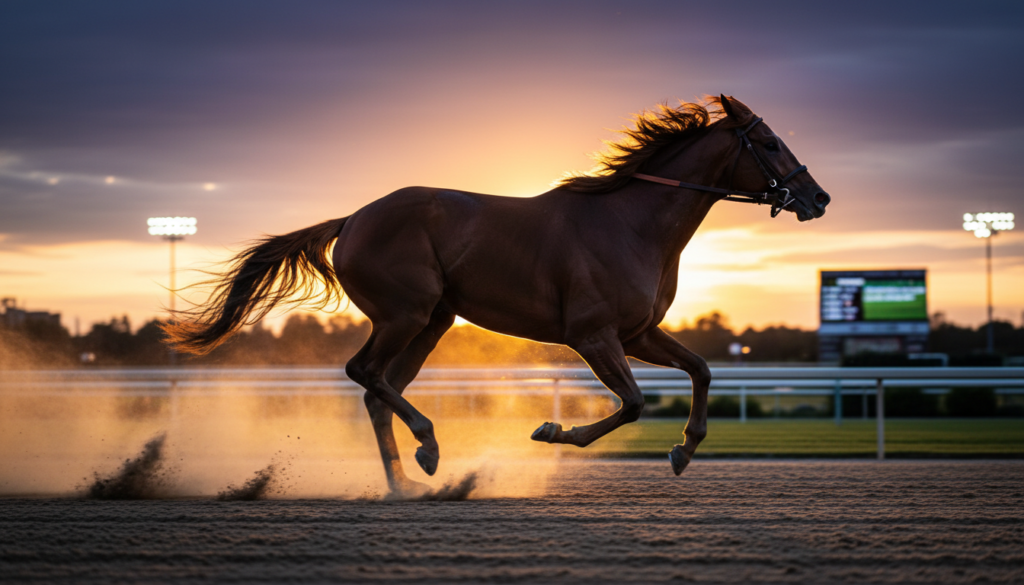
* USA Triple Crown: This elusive achievement is contested by three-year-old Thoroughbreds over five weeks.
* The Kentucky Derby: Run on the first Saturday in May at Churchill Downs, this “Run for the Roses” is a 1 ¼-mile race, known for its vibrant atmosphere and competitive field.
* The Preakness Stakes: Held two weeks later at Pimlico Race Course, this 1 3/16-mile sprint is often considered the “middle jewel” and a test of recovery and adaptability.
* The Belmont Stakes: The final and longest leg at 1 ½ miles, run three weeks after the Preakness at Belmont Park, tests a horse’s stamina and grit, often dubbed “The Test of the Champion.”
* UK Triple Crown: Though less frequently attempted today, the British Triple Crown for three-year-olds comprises:
* The 2,000 Guineas: A one-mile race at Newmarket.
* The Epsom Derby: The ultimate classic, run over 1 ½ miles at Epsom Downs.
* The St Leger Stakes: The oldest Classic, run over 1 mile and 6 furlongs at Doncaster.
* Breeders’ Cup: Conceived as a “World Championship” day, this annual event brings together the best horses from across the globe in a series of races on different surfaces (dirt and turf) and at various distances, culminating in the Breeders’ Cup Classic, often determining Horse of the Year honors.
* Other Iconic Races: The Dubai World Cup, offering one of the largest purses in the world, the Prix de l’Arc de Triomphe in France, regarded as Europe’s premier all-aged turf race, and Australia’s Melbourne Cup, “the race that stops a nation,” further highlight the international appeal and diversity of Thoroughbred horse racing.
The Life of a Racehorse
From birth to the starting gate, the life of a Thoroughbred racehorse is a journey of meticulous care, rigorous training, and unwavering dedication from a team of professionals. Training regimes begin early, often with “breaking” a young horse to saddle and rider.
This process gradually progresses to specialized track work involving gallops, breezes, and gate schooling. This is designed to build muscle, develop stamina, and refine their racing instincts. The jockey’s role is critical; they are athletes themselves, combining skill, strategy, and acute sensitivity to guide their mounts.
All this happens while managing strict weight requirements. Beyond the track, the welfare of the racehorse is paramount. Advanced veterinary science, tailored nutrition plans, and expert stable management ensure these elite athletes receive the best possible care, minimizing injury and maximizing their potential.
While the roar of the crowd is exhilarating, the true magic often begins long before the starting gate opens, in the intricate world of genetics and meticulous planning. How does this breed of champions get made, and what scientific principles guide the creation of the next racing legend?
Thoroughbred Breeding: The Art and Science of Perfection
The world of Thoroughbred breeding is a fascinating blend of tradition, instinct, and cutting-edge science. It is a high-stakes endeavor, where fortunes are won and lost on the promise of a foal, and where the pursuit of perfection drives every decision.
The Goal of Breeding
At its core, Thoroughbred breeding aims to produce superior equine athletes – horses that are faster, stronger, and more enduring than their predecessors. This involves enhancing desirable traits such as speed, stamina, courage, and soundness, while simultaneously working to minimize genetic predispositions to common injuries or weaknesses. Breeders are constantly striving to create the next champion, a horse capable of dominating Thoroughbred horse racing and carrying on a potent genetic legacy. The process is a careful balancing act, attempting to concentrate winning bloodlines without sacrificing the genetic diversity necessary for a healthy and resilient breed.
Key Principles of Breeding
The selection of a sire (father) and a dam (mother) is perhaps the most critical decision in Thoroughbred breeding, a process guided by several key principles:
* Pedigree Analysis: This is the bedrock of breeding. Breeders meticulously study the ancestral lines of potential mates, looking for patterns of success. They analyze sire lines (patrilineal descent) and dam lines (matrilineal descent), searching for “nickings” – combinations of bloodlines that have historically produced outstanding offspring. Understanding inbreeding (mating closely related individuals to intensify desired traits) and outcrossing (mating unrelated individuals to introduce new vigor and genetic diversity) is crucial for genetic health and performance. The goal is to identify stallions and mares whose combined pedigrees suggest a high probability of passing on athletic excellence.
* Conformation Assessment: Beyond bloodlines, the physical structure, or conformation, of both parents is paramount. Breeders seek horses with ideal skeletal and muscular structures that support efficient movement and reduce the risk of injury. They assess factors like leg angles, hoof quality, balance, and overall athleticism, aiming to match compatible physical attributes to minimize flaws and maximize the offspring’s potential for speed and soundness. A horse might have an impeccable pedigree, but if its conformation is faulty, its racing career will likely be hampered.
* Performance Records: Past race results and progeny records are invaluable data points. A stallion’s success is often measured by the earnings and performance of his offspring on the track, while a mare’s value is significantly boosted if she has produced winners. Analyzing these records helps breeders identify proven producers of champions, giving them a more informed basis for their pairing decisions.
The Role of the Stud Farm
Stud farms are the nerve centers of Thoroughbred breeding, meticulously managed facilities where the next generation of champions is conceived and raised.
* Stallions: Elite stallions, particularly those who were famous Thoroughbreds themselves on the track or who have proven their ability to sire champions, are highly coveted. Their breeding fees (stud fees) can range from a few thousand dollars to hundreds of thousands, or even millions, for the most sought-after individuals. Due to their immense value, these stallions typically have limited breeding schedules to maintain their health and fertility, breeding with dozens, sometimes over a hundred, mares annually.
* Broodmares: The mares are the foundation of any successful breeding operation. High-quality broodmares, often former stakes winners or mares from distinguished families, are carefully selected for their genetic potential and ability to produce healthy foals. They receive specialized care, nutrition, and veterinary attention throughout their pregnancies and during foaling.
* Raising Young Stock: From the moment of foaling, young Thoroughbreds are raised with an eye towards their future careers. Early education involves handling, leading, and basic lessons in obedience. As they grow into yearlings, they are prepared for public auctions, where potential owners and trainers evaluate their conformation, pedigree, and promise, often leading to multi-million dollar sales. This early upbringing is crucial for their physical and mental development before they even set foot on a racetrack.
Genetic Advancements and Challenges
The field of Thoroughbred breeding is continually evolving with advancements in genetic science. DNA testing and genomics are now used to identify specific genes linked to speed, stamina, and even predispositions to certain injuries or diseases. This scientific insight allows breeders to make even more informed decisions, potentially optimizing matings for specific racing aptitudes. However, challenges persist. Maintaining genetic diversity is crucial to prevent inbreeding depression and ensure the long-term health and vitality of the breed. Ethical considerations surrounding genetic manipulation and cloning also weigh on the industry, as breeders strive to balance progress with responsible stewardship of the Thoroughbred legacy.
This careful orchestration of genetics culminates in the birth of a potential champion, but it is their performance, often guided by fate and phenomenal talent, that truly etches their name into history. Who are these equine legends whose thunderous hooves have echoed through time?
Famous Thoroughbreds: Legends Etched in Hoofprints
Throughout the centuries of Thoroughbred horse racing, certain horses have risen above the competition, transcending the sport to become cultural icons. These famous Thoroughbreds are remembered not just for their victories, but for their spirit, their records, and the indelible marks they left on the hearts of millions.
The Icons of Speed and Stamina
The annals of Thoroughbred horse racing are filled with legendary names, but a few stand out for their extraordinary dominance and captivating stories:
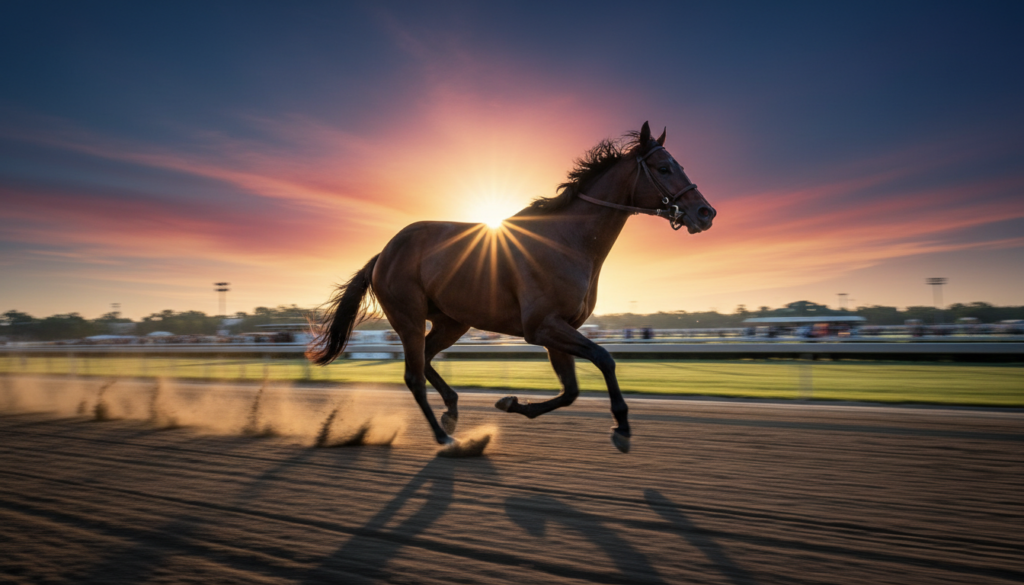
* Man o’ War (1917): Often considered one of the greatest racehorses of all time, “Big Red” captured the public imagination with his sheer power and near-unbeaten record (20 wins in 21 starts). His only loss was a controversial defeat to a horse named Upset. Man o’ War’s incredible stride and effortless speed made him a sensation, and his impact on Thoroughbred breeding was profound; he became a hugely influential sire, passing on his brilliance to generations.
* Secretariat (1970): The definitive Triple Crown winner, Secretariat achieved what many thought impossible in 1973, breaking track records in all three legs (Kentucky Derby, Preakness, and Belmont Stakes). His breathtaking 31-length victory in the Belmont Stakes, setting a world record for 1 ½ miles on dirt, remains one of the most iconic moments in sports history. “Big Red” (another horse with this nickname) was a “freak of nature,” a horse that combined unparalleled speed with incredible stamina and an almost regal presence. His heart was reportedly two and a half times the size of an average horse’s.
* Citation (1945): This powerful bay colt became the eighth Triple Crown winner in 1948, showcasing consistent brilliance and remarkable versatility. He was known for his durability and ability to win at various distances, proving his mettle in an arduous racing era. Citation finished his career with 32 wins from 45 starts, cementing his place as one of the truly dominant forces in his time.
* Seattle Slew (1974): In 1977, Seattle Slew achieved the rare feat of winning the Triple Crown while remaining undefeated – a “Slew-Do” if you will. His front-running style and raw talent made him a formidable competitor, solidifying his place as a horse of immense courage and speed, carrying his undefeated record through arguably the toughest set of races in North American racing.
* Affirmed (1975): The 1978 Triple Crown winner, Affirmed is perhaps best remembered for his legendary rivalry with Alydar. The two colts faced each other ten times, with Affirmed winning seven of those contests, including all three Triple Crown races by narrow, thrilling margins. Their battles captivated the nation, showcasing the raw competitive spirit that defines Thoroughbred horse racing. Affirmed’s victory marked a long drought before the next Triple Crown winner emerged.
* American Pharoah (2012): Ending a 37-year Triple Crown drought in 2015, American Pharoah became the twelfth horse to accomplish the feat. His fluid stride and immense talent captured the public’s imagination. He then went on to win the Breeders’ Cup Classic, becoming the first horse to achieve the “Grand Slam” of American racing.
* Justify (2015): The very next Triple Crown winner after American Pharoah, Justify accomplished his historic sweep in 2018, doing so while undefeated and becoming the first horse since Apollo in 1882 to win the Kentucky Derby without racing as a two-year-old. His massive presence and ability to perform on muddy tracks made his Triple Crown run truly exceptional.
Beyond the Track: Influence as Sires and Dams
The legacy of many famous Thoroughbreds extends far beyond their racing careers. Many become influential sires, passing on their superior genetics to future generations of champions, thus impacting Thoroughbred breeding for decades. Legends like Northern Dancer, Mr. Prospector, and Galileo, while successful on the track, achieved even greater fame through their progeny, becoming “stallions of stallions.” Their bloodlines are foundational in modern pedigrees worldwide, proving that a champion’s greatest contribution can often come after their final race. Similarly, champion mares or mares with exceptional pedigrees become invaluable broodmares, serving as the matriarchs of powerful racing families.
These horses transcend mere sport; their stories of courage, speed, and triumph resonate across generations, inspiring awe and a deep appreciation for equine greatness. Their immortal legacy reminds us that these animals are not just athletes, but living legends.
The Global Impact and Future of the Thoroughbred
The Thoroughbred, with its rich history and undeniable athletic prowess, is more than just a breed; it is a global phenomenon that continues to evolve, facing both opportunities and challenges as it gallops into the future.
Economic Engine and Cultural Significance
The Thoroughbred horse racing and Thoroughbred breeding industries remain a formidable economic engine, driving billions of dollars through bloodstock sales, wagering, tourism, and ancillary businesses. Major racing carnivals generate substantial revenue, attract international investment, and provide significant employment worldwide. Beyond the financial figures, the Thoroughbred embodies a profound cultural significance. It represents tradition, glamour, and a connection to a bygone era of elegance, yet it remains intensely relevant in the modern world. Annual events are steeped in history and social ritual, bringing communities together and celebrating an enduring passion for equine excellence. The thrill of the race, the beauty of the horse, and the pageantry of the events ensure its continued place in the global consciousness.
Challenges and Opportunities
Like any long-standing industry, the Thoroughbred world faces its share of challenges. Welfare concerns are paramount, with increasing scrutiny on the safety of racing surfaces, post-career options for retired racehorses, and ethical breeding practices. Injuries on the track, though statistically rare, draw significant media attention and demand continuous improvement in veterinary care, training methods, and track maintenance.
However, these challenges are met with significant opportunities. Technological advancements are revolutionizing Thoroughbred breeding through genomics, allowing for more precise genetic selection and potentially reducing the incidence of inherited conditions. In training, data analytics and wearable tech are providing deeper insights into equine physiology and performance, optimizing training regimes and identifying potential issues before they become serious. Marketing and accessibility efforts are crucial to maintaining audience interest, particularly among younger demographics. Innovations in broadcasting, online wagering platforms, and interactive fan experiences are all vital for the sport’s sustained growth.
Thoroughbred Beyond Racing
While its primary purpose remains racing, the Thoroughbred’s versatility is increasingly recognized as horses transition to second careers. After their time on the track, many Thoroughbreds excel in other equestrian disciplines. Their athleticism, intelligence, and sensitive nature make them highly adaptable:
* Eventing: Their stamina and courage make them natural contenders for the demanding cross-country phase.
* Dressage: Their elegance and responsiveness are well-suited for the intricate movements of dressage.
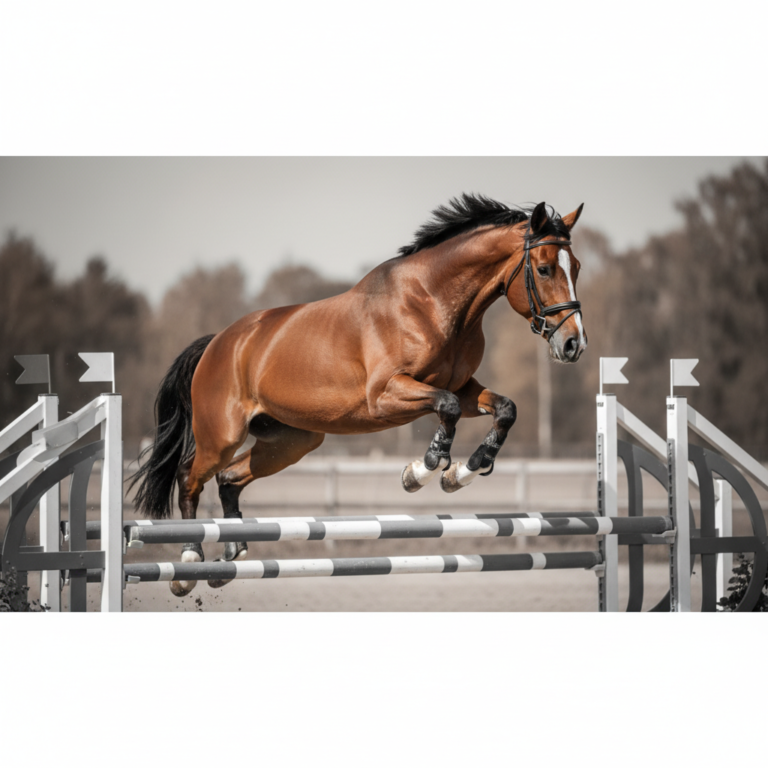
* Show Jumping: Their power and agility allow them to clear formidable obstacles.
* Pleasure Riding & Fox Hunting: Their kind demeanor with proper training makes them wonderful companions.
* Therapy Horses: Their sensitivity and intelligence allow them to connect deeply with individuals in therapeutic riding programs.
The emphasis on retraining and rehoming retired racehorses highlights a growing commitment to their long-term welfare, showcasing the breed’s incredible adaptability and confirming their value extends far beyond the racetrack.
The Enduring Allure of the Thoroughbred
From the thunderous heartbeat of its desert ancestors to the exhilarating blur on today’s premier tracks, the Thoroughbred remains a magnificent testament to selective breeding and the enduring spirit of competition.
We’ve journeyed through its remarkable origins, dissected the physical and physiological marvel that makes it a natural athlete, and immersed ourselves in the thrilling world of Thoroughbred horse racing. We’ve explored the intricate art and precise science of Thoroughbred breeding, understanding the meticulous effort required to cultivate champions.
And we’ve celebrated the famous Thoroughbreds whose legendary exploits have captivated generations, etching their names into history with every powerful stride. The Thoroughbred’s unique blend of athleticism, history, and genetic prowess continues to shape a global economic force and a vibrant cultural tradition.
Its future, though facing modern challenges, is bright with opportunities for innovation in welfare, genetics, and fan engagement. Whether you are an equestrian enthusiast, a racing fan, a breeder, or simply an admirer of equine majesty, the Thoroughbred offers a story of excellence that continues to unfold.
Embrace the legacy, feel the thundering pulse, and witness the enduring allure of this truly remarkable breed. From the thunder of the track to the quiet elegance of the breeding shed, the Thoroughbred continues its magnificent journey, shaping not just a sport, but a legacy that will endure for generations to come.
📚 References
- The Jockey Club: Official Thoroughbred Registry
- IFHA: International Federation of Horseracing Authorities
- Equibase: Thoroughbred Racing Statistics